Building a Gazebo-Pergola Combo That Lasts in Canadian Climates
Combining a gazebo and pergola in your outdoor space offers charm and shade, but Canadian weather means you need to build it right. Here’s a practical guide to materials, planning, and construction, designed to handle snow, wind, and freeze-thaw cycles.
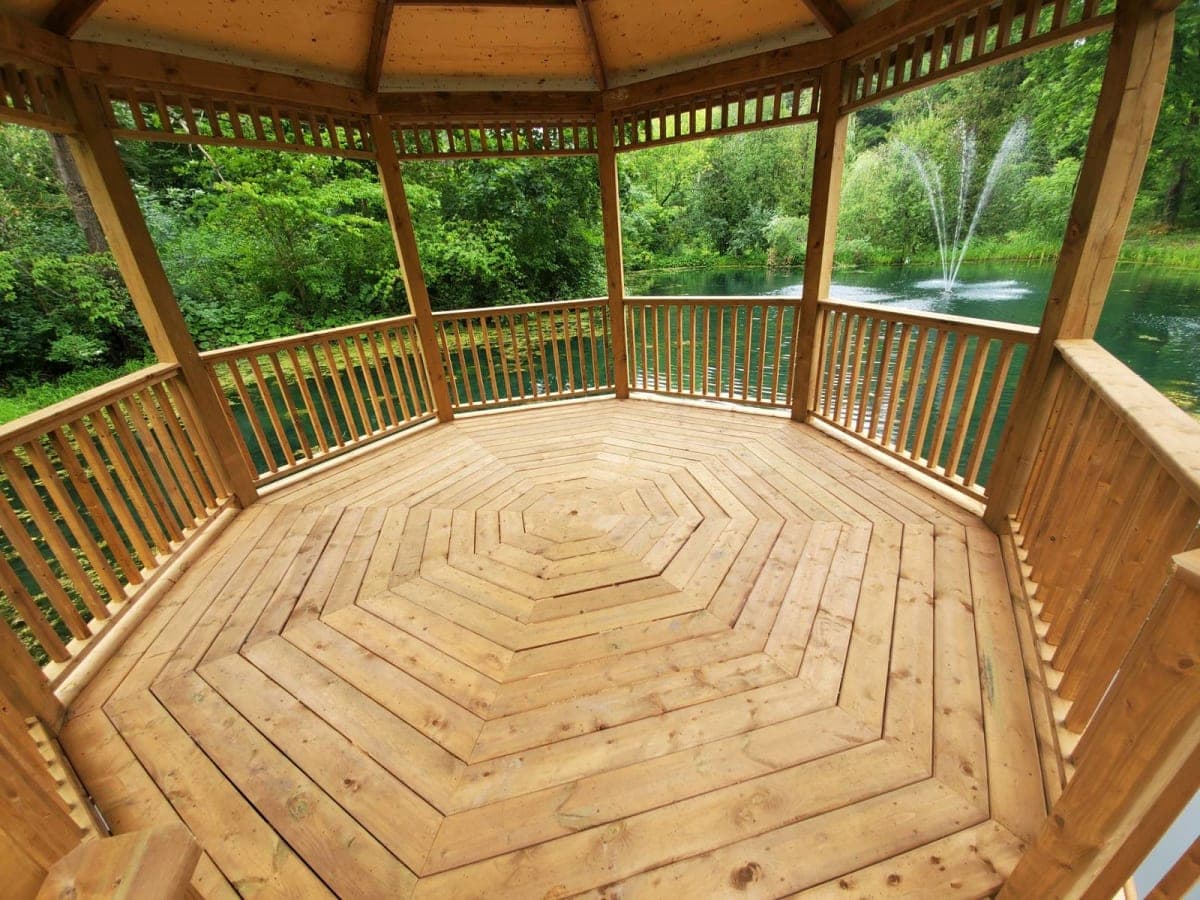
The Real Deal About Gazebo-Pergola Combos
Many homeowners picture a beautiful backyard structure that blends the openness of a pergola with the shelter of a gazebo. But what’s often missed is how challenging this hybrid can be, especially in Canada. Without proper planning and material choices, snow loads, strong winds, and freezing cycles will shorten its life and cause costly damage.
What Works Best for This Build
A gazebo-pergola combo typically features a solid or semi-solid roof over an open framework. For Canadian conditions, decide early if you want a fully covered roof (gazebo style) or a mostly open slatted roof (pergola style) with some weather protection.
Material Considerations:- Wood: Pressure-treated lumber or cedar are good options. Cedar resists rot and insects naturally but costs more.
- Fasteners: Use galvanized or stainless steel screws and bolts. Avoid nails that loosen with freeze-thaw.
- Roofing: For a covered section, metal roofing or asphalt shingles designed for cold climates hold up well.
Be mindful that wood expands and contracts with moisture changes. Design connections to allow this movement without cracking.
How to Plan Your Build Right
Start by checking your local municipality for permits and setback requirements. Locate all underground utilities before you dig footings to avoid hazards.
Lay out the footprint roughly 16 to 20 feet squared to keep it manageable but functional. Mark holes for footings deep enough to sit below the frost line (often about 4 feet or deeper depending on location).
Key planning points:- Design your posts and beams to handle snow loads. In heavy snow regions, use larger posts and more supports.
- Factor in wind loads. Use diagonal bracing or metal connectors at key joints to prevent racking.
- Consider drainage for the roofing and the surrounding ground to prevent pooling water.
The Build Sequence Homeowners Should Visualize
A typical build goes like this:
- Site preparation and layout
- Digging and installing concrete footings
- Setting posts securely and checking plumb
- Installing beams and joists with metal connectors
- Adding roofing structure and covering (shingles or metal)
- Applying finishing details like trim and stain
Each step demands accuracy to avoid problems later. For example, posts out of plumb can cause the whole structure to lean or fail under snow.
What Many Get Wrong
Common mistakes that lead to disaster include:
- Shallow footings that heave during freeze-thaw cycles.
- Using untreated wood where it contacts the ground.
- Poor fastening that loosens with temperature and moisture changes.
- Skipping diagonal bracing in windy areas.
- Neglecting permits and utility locates, risking injury or fines.
Safety Tips That Matter
Dig carefully and call your local utility locate service to mark lines before you start.
Wear eye and ear protection when cutting wood. Lift heavy beams with assistance or use equipment.
Check fasteners as you work to ensure tight connections, and be mindful of sharp edges on metal connectors or roofing.
Material Trade-Offs for Canadian WeatherChoosing between wood types and roofing:
- Cedar is more durable outdoors but pricier.
- Pressure-treated wood requires careful handling but offers budget durability.
- Asphalt shingles handle snow but can be vulnerable to ice dams without proper ventilation.
- Metal roofing stands up to heavy snow best and sheds ice easily but needs careful installation to avoid leaks.
Weather Windows in Canada
The best time to build is late spring to early fall. Avoid winter because frozen soil makes digging footings difficult and the cold affects curing of concrete.
Early fall can be risky with rain and early frost. Have materials and plans ready ahead for fast work during warm stretches.
Inspect and Maintain to Keep It Standing
Keep an eye on posts near the ground for rot and cracks. Check fasteners annually and tighten or replace if loose.
Look for roof damage after heavy snow or storms. Clear debris and snow buildup promptly to prevent overload.
Wrap-Up
A gazebo-pergola combo can be a stunning backyard feature that blends shelter and shade. Getting it right in Canada means planning for snow, wind, and freeze-thaw stresses.
Use proper materials like cedar or treated lumber, fasten securely, and dig footings below the frost line. Build during the right season and maintain the structure over time.
If you want practical guidance or help planning your gazebo-pergola, contact ATB for a consultation. We provide clear advice tailored for Canadian conditions to make your project a success.