Building a Lasting Deck in Canadian Climates
Building a deck that stands up to Canadian weather requires good planning, durable materials, and smart building practices. This guide walks you through key steps and common pitfalls to avoid.
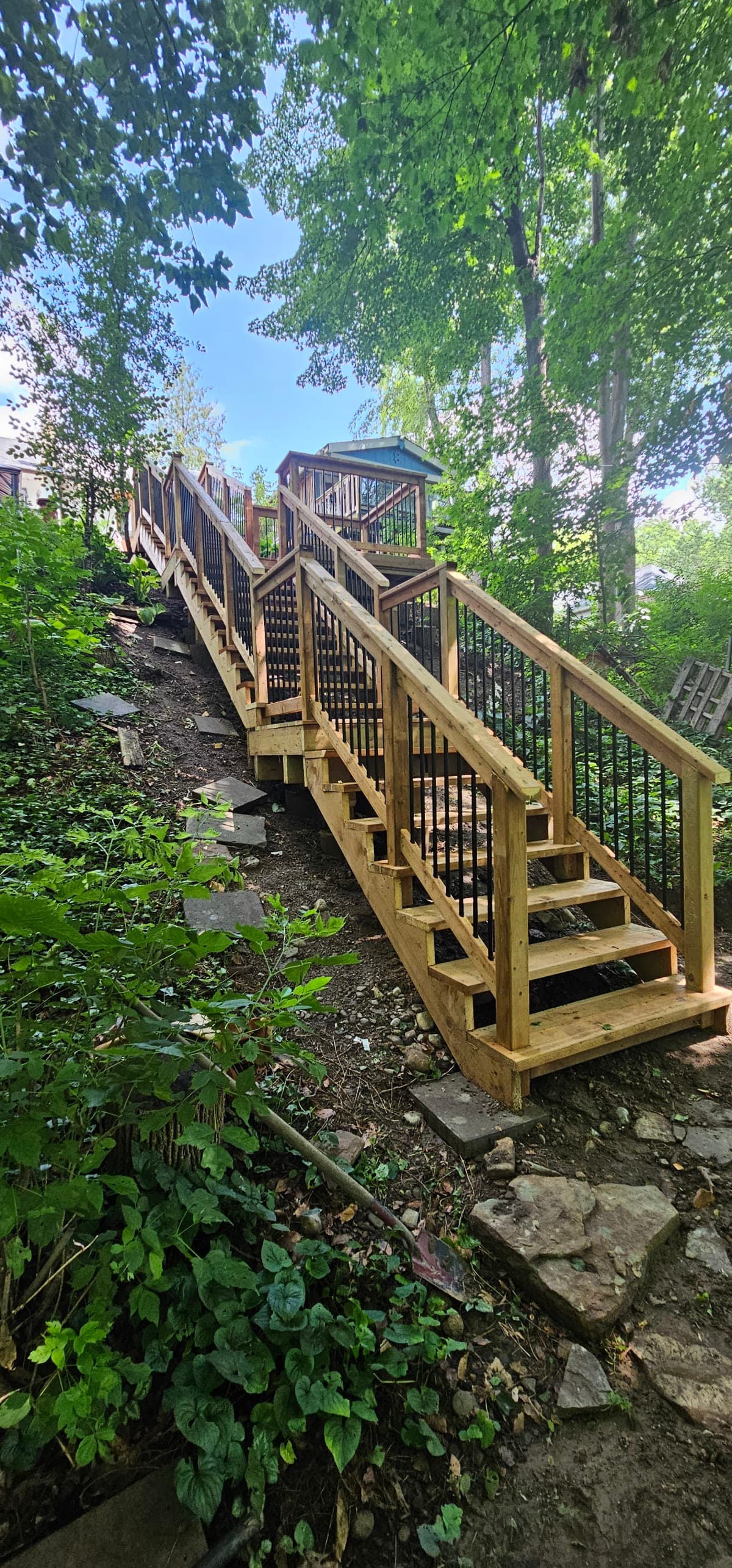
Why a Good Deck Matters in Canada
Many homeowners look forward to adding a deck for extra outdoor living space. But what most people get wrong is underestimating the effect of Canada’s climate. Freeze and thaw cycles, heavy snow loads, wind, rain, and a short building season all demand materials and methods that last.
Starting with Solid Planning
Before you grab tools, check with your municipality about permits and any local rules. Always call for utility locates before digging to avoid underground pipes and cables.
Lay out the size and shape of your deck roughly with stakes and string. Consider sun, privacy, and how you’ll access the yard or house. Planning includes thinking ahead about where stairs and railings will go.
What Materials Suit the Job?
Choosing the right materials is critical. Here are the common options and what to expect:
- Pressure-treated lumber: Affordable and rot-resistant but not all grades are equal. Watch for warping.
- Cedar or redwood: Naturally durable and insect resistant, better looking but needs regular sealing.
- Composite or PVC decking: Low maintenance and resists rot but can get slippery when wet and may expand in heat.
- Steel or aluminum: Very durable and low maintenance but pricier and requires special fasteners.
Every option has pros and cons. Pressure-treated wood is the go-to for structural frames but doesn’t stay pretty without care. Cedar is easier on the eyes but costs more and needs sealing roughly every 1-2 years. Composites avoid rot but can be slick and have some expansion issues in hot summers.
Steps to Build a Sturdy Deck
Here’s a simplified order many contractors follow:
- Prepare and level the ground.
- Set concrete footings deep enough to avoid frost heave (below freeze line).
- Install posts anchored firmly in footings.
- Attach beams securely to posts, ensuring they are level.
- Lay joists spaced for your decking type, usually roughly 12 to 16 inches apart.
- Install decking boards with proper spacing for drainage and expansion.
- Add railings, stairs, and finishing touches.
Before setting footings, walk the site to confirm soil type and drainage. Clay or poorly draining soil may require extra preparation or gravel under footings. Check the slope so water moves away from your house.
Watch Out for These Common Mistakes
- Setting footings too shallow leading to movement or heaving in winter
- Skipping flashing or waterproof barriers against house walls
- Using nails instead of screws, which loosen over time
- Ignoring spacing that allows boards to drain and expand
- Poor alignment of railing posts causing wobbly rails
Timing and Weather Considerations
In Canada, the best building window is late spring to early fall. Avoid starting deck builds late in the fall since concrete footings won’t cure properly in cold or frozen ground. Heavy snow loads in winter mean your deck needs to be strong enough to support extra weight or keep snow off.
Finish and Maintenance PlanFinish your deck to protect against moisture and UV damage. Regularly inspect the structure for loose fasteners, rot in wood near the ground, and any signs of rust on metal components. Clear snow off decks carefully to avoid damage.
Safety and Final Tips
Wear proper eye and ear protection when cutting wood. Use gloves when handling treated lumber. Lift heavy beams carefully or get help. Always use the correct fasteners to avoid corrosion and loosening.
By following these guides, your deck should serve well for years across Canada’s challenging seasons.
If you’re ready to get started or want a professional review of your project plan, contact ATB for expert advice or a consult tailored to your needs.