Garage Construction in Toronto: Build Before Mud Season Hits
Planning a garage build or renovation in Toronto? Learn 2026 permit requirements, CAD pricing, and the exact spring window GTA contractors use to finish before October mud season.
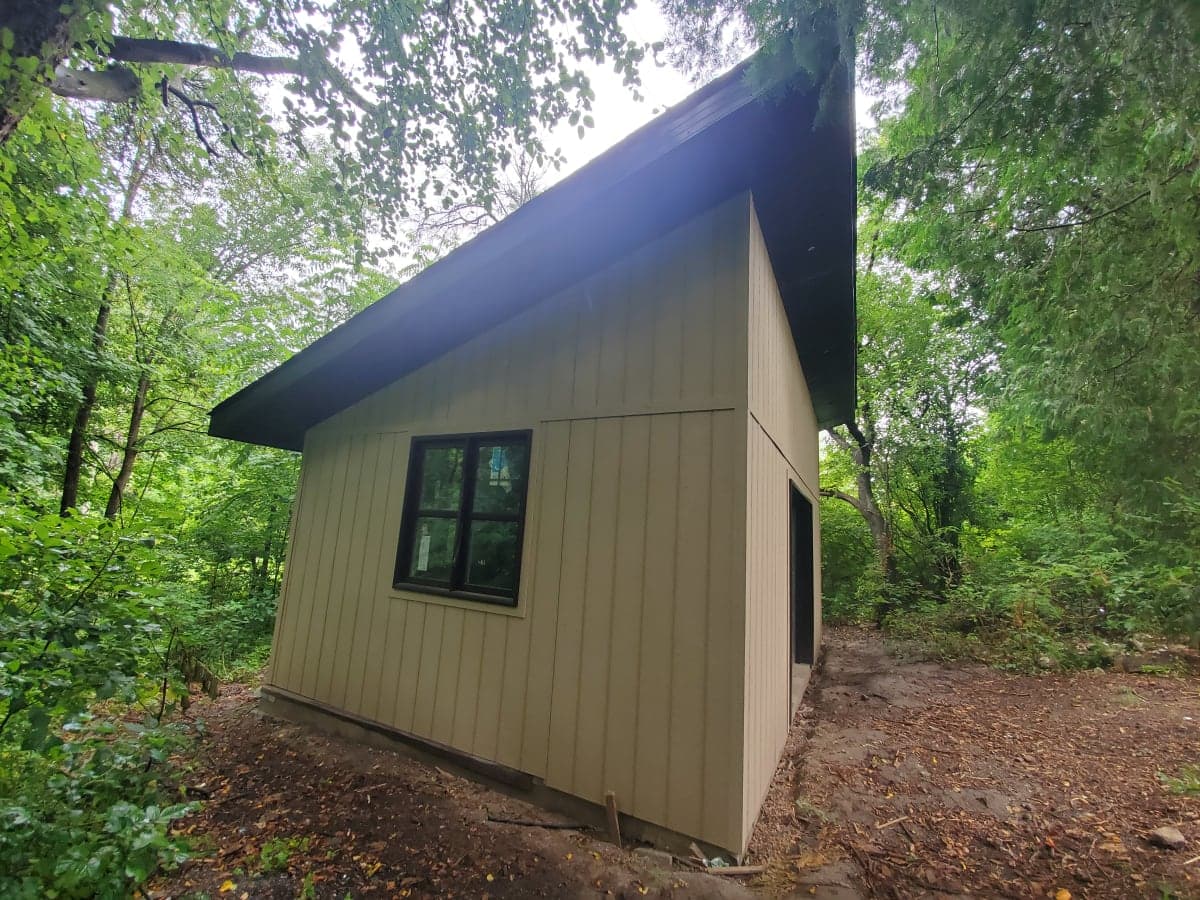
We build and renovate garages across Toronto, Mississauga, and Vaughan every spring, and the window between the March thaw and October mud season is shorter than most homeowners expect. Miss it, and you're either rushing a foundation pour in wet soil or watching your project push to the following year. This guide walks through everything you need to know to plan your 2026 garage project correctly, from permits and pricing to the exact weekly schedule we follow on GTA sites.
Key Takeaways
- The optimal GTA build window runs from late March through September, giving you roughly 24 usable weeks
- New detached garages in Toronto require a building permit from Toronto Building Division before any work begins
- Expect to pay $25,000-$60,000 for a new detached garage build and $8,000-$20,000 for a renovation in 2026 CAD
- Attached vs. detached choice affects setback rules, fire separation requirements, and total cost significantly
- Starting permit applications 6-8 weeks before your target groundbreaking date is the single best scheduling move you can make
garage addition or renovation services
Why Does the Spring Window Matter So Much in the GTA?
Toronto's freeze-thaw cycle creates a narrow, predictable opportunity that experienced contractors plan their entire year around. According to Environment and Climate Change Canada, the Toronto area averages its last ground frost between March 20 and April 5, with the first significant fall rain-and-freeze events returning in mid-October. That gives you roughly 24 usable construction weeks. (Environment and Climate Change Canada, 2025)
Concrete needs a minimum soil temperature of 10°C to cure properly without risk of frost damage. Pour too early and you're protecting fresh slabs with blankets and heaters, which adds cost. Pour too late and you're racing fall mud. We've found that the last two weeks of April through the third week of September represent the sweet spot for GTA foundation work.
Spring soil in Toronto is also workable but firm. That changes fast. By late May, heavy clay soils common across Etobicoke and North York can turn saturated after just a few days of rain, stalling excavation equipment and requiring additional site drainage work. Getting the excavation done early is not optional — it's the single biggest schedule protector on any garage build.
site preparation and drainage considerations
What Does a Garage Build or Renovation Actually Cost in Toronto?
Pricing is the question we get asked most often, and the honest answer is that costs in the GTA have climbed steadily. Labour rates in Toronto are roughly 30-40% higher than the Ontario provincial average, driven by a skilled trades shortage that StatsCan pegged at over 80,000 unfilled construction positions province-wide as of Q1 2025. (Statistics Canada, 2025)
Here are realistic 2026 CAD ranges for common garage scopes in Toronto:
| Scope | Low Estimate | High Estimate | Key Cost Drivers |
|---|---|---|---|
| New detached garage (single-car) | $25,000 | $38,000 | Foundation type, siding material, electrical |
| New detached garage (double-car) | $38,000 | $60,000 | Square footage, roof style, insulation spec |
| Attached garage addition | $30,000 | $55,000 | Fire separation wall, shared roof tie-in |
| Garage renovation (existing structure) | $8,000 | $20,000 | Insulation, drywall, door replacement, electrical |
| Garage conversion to living space | $40,000 | $80,000+ | HVAC, vapour barrier, egress, permit complexity |
These numbers include materials, labour, permit fees, and basic electrical rough-in. They do not include custom finishes, epoxy flooring, or EV charger installation, which each add $2,000-$8,000 depending on scope.
In our experience on Vaughan and Mississauga projects, the biggest budget surprises come from site conditions discovered after excavation starts: buried rubble, poor drainage infrastructure, or unmarked utility lines that require hand-digging around. We always recommend a $5,000-$10,000 contingency buffer on any new-build garage project.
Attached vs. Detached: Which Garage Type Is Right for Your Toronto Property?
The choice between attached and detached isn't just about aesthetics. It affects your permit class, your fire code obligations, your setback requirements, and your total cost. According to the Toronto Zoning By-law 569-2013, detached accessory structures like garages have their own setback rules that differ from those governing the main dwelling. (City of Toronto, 2013)
| Factor | Attached Garage | Detached Garage |
|---|---|---|
| Rear yard setback | Follows main dwelling setback | Minimum 1.2 m from rear property line |
| Side yard setback | Follows main dwelling setback | Minimum 0.6 m from side property line |
| Fire separation wall required | Yes (between garage and living space) | No |
| Permit class | Part of main dwelling permit | Accessory structure permit |
| Foundation complexity | Usually shares existing footings | Independent footing required |
| Access from home interior | Yes | No (exterior door only) |
| Typical cost premium vs. detached | +10-20% due to fire separation work | Baseline |
When Detached Makes More Sense
Detached garages work well on Toronto lots where the house footprint is already close to the side yard setback. They also give you more flexibility in terms of roof style and height, since the structure isn't tied to the existing roofline. Many of the projects we complete in older Etobicoke and East York neighbourhoods are detached builds precisely because the existing house geometry makes attachment impractical.
When Attached Is the Better Call
An attached garage makes sense when lot coverage permits it and you prioritize interior access, especially on exposed Brampton and Vaughan lots where walking from house to garage in January is genuinely unpleasant. An attached build also integrates into your home's existing footprint, which often reads better on resale.
Do You Need a Permit to Build a Garage in Toronto?
Yes, always. This is one of the areas where we see homeowners get into trouble with unpermitted work that later creates serious problems at sale. The Toronto Building Division requires a building permit for any new garage, regardless of size, and for most substantial renovations that affect structure, electrical, or plumbing. (Toronto Building Division, 2025)
Based on our permit applications filed through Toronto Building Division over the past two years, simple detached garage permits are currently taking 6-10 weeks for approval under standard review. Complex applications, including those touching heritage properties or requiring zoning variance, routinely run 14-20 weeks. We factor this into every project schedule we give clients.
Permit Requirements at a Glance
The standard documentation package for a Toronto garage permit includes:
- A completed building permit application form
- Site plan showing lot dimensions, existing structures, and proposed garage footprint
- Construction drawings (foundation plan, floor plan, elevations, cross-sections)
- Lot grading plan or grading certificate
- Confirmation of Ontario Building Code compliance
Permit fees in Toronto are calculated based on the value of construction. A $40,000 garage build typically generates a permit fee in the $1,200-$1,800 range, though this varies by project classification.
Heritage Home Considerations
If your Toronto property is listed on the City of Toronto Heritage Register or located within a Heritage Conservation District, additional review steps apply before permit issuance. The Heritage Preservation Services team reviews proposed changes to ensure compatibility with the heritage character of the property and neighbourhood. This can add 4-8 weeks to your timeline and may impose restrictions on exterior cladding, roofline changes, and garage door style. We've completed garage projects on heritage-designated properties in Cabbagetown, the Annex, and Leslieville, and in our experience, early consultation with Heritage Preservation Services before finalizing your design saves significant time.
How to Time Your GTA Garage Build Week by Week
Planning a garage build on a GTA lot without a clear weekly schedule is how projects end up half-finished in November. Here's the framework we use for a standard detached garage build starting in late April.
Weeks 1-2: Permits and Pre-Construction
Submit your permit application as soon as your drawings are complete, ideally in February or early March for an April start. Book your utility locate through Ontario One Call (1-800-400-2255) at least five business days before any digging. Both steps run in parallel; neither can start actual ground work.
Weeks 3-4: Site Prep and Excavation
Clear the site and strip topsoil. Mark the garage footprint using batter boards and string lines. Excavate to the required depth for your foundation type. In Toronto, frost depth is 1.2 m, so footings need to go below that. Have your excavation inspected before proceeding.
Weeks 5-6: Foundation Pour and Curing
Pour footings and, after inspection, form and pour the concrete slab or foundation walls. Budget a full 7 days of curing before applying load. Protect fresh concrete from temperature swings, which are common in GTA springs where a 20°C day can be followed by a 4°C night.
Weeks 7-10: Framing
Framing a standard single-car detached garage takes an experienced crew 3-5 days. A double-car takes 5-8 days. Buffer one week for weather delays. This is the phase that most visibly transforms the site, and it's satisfying to watch progress when it moves.
Weeks 11-14: Roofing, Sheathing, and Windows
Sheathe walls, install windows and the garage door rough opening, then complete roofing. Getting the structure weathertight as fast as possible protects your framing from late-summer rain events. Asphalt shingles matched to your existing home are the most common choice. Metal roofing costs more upfront but adds 20-30 years of life. (Canada Mortgage and Housing Corporation, 2024)
Weeks 15-20: Finishing Work
Electrical rough-in, insulation, drywall (if applicable), siding, exterior trim, garage door installation, and final inspection. This phase runs longer than most clients expect because trade scheduling, especially electricians in the GTA, requires booking 3-4 weeks in advance.
Cladding and Material Options for GTA Garage Exteriors
Material choice affects both cost and long-term maintenance in Toronto's climate. GTA winters are hard on wood and require regular upkeep. Here's how common cladding options compare:
| Material | Upfront Cost (per sq ft installed) | Lifespan | Maintenance Level | GTA Winter Performance |
|---|---|---|---|---|
| Vinyl siding | $5-$9 | 20-40 years | Low | Good (avoid dark colours that warp) |
| Fibre cement (HardiePlank) | $10-$16 | 30-50 years | Low | Excellent |
| Engineered wood (LP SmartSide) | $8-$14 | 25-30 years | Low-medium | Good (pre-primed) |
| Wood (cedar) | $12-$20 | 15-25 years | High | Fair (requires annual sealing) |
| Brick veneer | $18-$30 | 50+ years | Very low | Excellent |
| Metal (steel panels) | $14-$22 | 40-60 years | Very low | Excellent |
We've noticed a clear shift in material preferences across GTA garage projects over the past two seasons. Fibre cement siding now accounts for over 60% of our exterior cladding specifications, up from roughly 30% three years ago. Clients cite low maintenance and better insurance outcomes as the primary drivers. LP SmartSide is gaining ground quickly on heritage-adjacent properties where wood appearance is important but maintenance budgets are limited.
Frequently Asked Questions
How long does it take to build a garage in Toronto?
A standard detached single-car garage takes 12-16 weeks from permit submission to final inspection on a GTA site. That includes 6-10 weeks for permit approval, roughly 2 weeks for site prep and foundation, and 4-6 weeks for framing through finishing. Double-car garages and attached builds typically run 16-22 weeks total. Starting your permit application in February for an April groundbreaking is the most reliable scheduling strategy.
Do I need a permit to renovate an existing garage in Toronto?
It depends on scope. Cosmetic updates such as painting, new garage doors (same size), or minor repairs generally don't require a permit. However, structural changes, electrical upgrades, insulation with vapour barrier, or converting the garage to a living space all require a building permit from Toronto Building Division. When in doubt, call the Building Division's inquiry line before starting work. Unpermitted structural or electrical changes can complicate home sales and void insurance coverage.
What is the minimum setback for a detached garage in Toronto?
Under Toronto Zoning By-law 569-2013, a detached garage must sit at least 1.2 m from the rear property line and at least 0.6 m from the side property line. These are minimums. Some Toronto neighbourhoods have more restrictive rules under area-specific zoning overlays. A lot with a corner condition or a flankage yard has different rules again. We always pull the zoning data for a specific address before finalising a garage footprint to avoid surprises at the permit stage.
How much does it cost to add a garage to my Toronto home in 2026?
A new single-car detached garage in Toronto runs $25,000-$38,000 in 2026 CAD for a standard build. A double-car detached runs $38,000-$60,000. An attached garage addition typically costs $30,000-$55,000 due to fire separation requirements and roof integration complexity. Garage renovations, meaning upgrades to an existing structure, range from $8,000 to $20,000 depending on the scope. All figures include permits, materials, and labour but exclude custom finishes and EV charger installation.
Can I build a garage on a Toronto heritage property?
Yes, but the process requires additional steps. Properties on the City of Toronto Heritage Register or within a Heritage Conservation District need Heritage Preservation Services review before permit issuance. This review assesses whether the proposed garage is compatible with the property's heritage character. The review adds 4-8 weeks to the timeline and may restrict exterior materials, roof profiles, and garage door styles. Early pre-application consultation with Heritage Preservation Services is strongly recommended. We've successfully permitted and built garages on heritage-designated properties across Toronto's older neighbourhoods.
Plan Early, Build Right, and Beat the Mud
The GTA construction window is genuinely finite. Contractors who work this market year-round know that the spring books fill up fast, permits take longer than clients expect, and foundation work has a hard weather dependency. The homeowners who get their garage done right are almost always the ones who started planning in winter.
If you're targeting a 2026 garage build or renovation in Toronto, Mississauga, Vaughan, or Brampton, the smartest first step is getting your drawings together and your permit application submitted as early as possible. Everything else, scheduling, materials, crew, flows from that.
We're happy to walk through your site and scope before you commit to anything. A quick site visit and conversation costs nothing and can save you weeks of avoidable delays.
Tags
Related articles
Why Most Porch Builds Fail After Two Winters and How to Stop It
Most porches that fall apart after two winters share the same issues: frost heave and wood rot. Here's what you need to know to build a porch that lasts through Canada's wet, cold seasons.
Get Your Deck Done Right Before Toronto's Mud Season Hits
Toronto and GTA homeowners who book their deck build in early spring avoid permit delays, contractor shortages, and October mud. Here's the exact timeline and 2026 pricing to plan it right.
3 Big DIY Mistakes When Building a Pergola or Gazebo in Toronto
We get called in to fix DIY pergolas and gazebos across Toronto every summer. These three mistakes account for 80% of the tear-outs — and they're all avoidable.