Plan Your GTA Renovation Before the Spring Mud Hits
Every spring in Toronto we see homeowners scrambling to start renos they should have booked in January. Here's how GTA homeowners in Toronto, Mississauga, Vaughan, and Brampton can plan ahead, pull permits early, and finish before the October mud sets in.
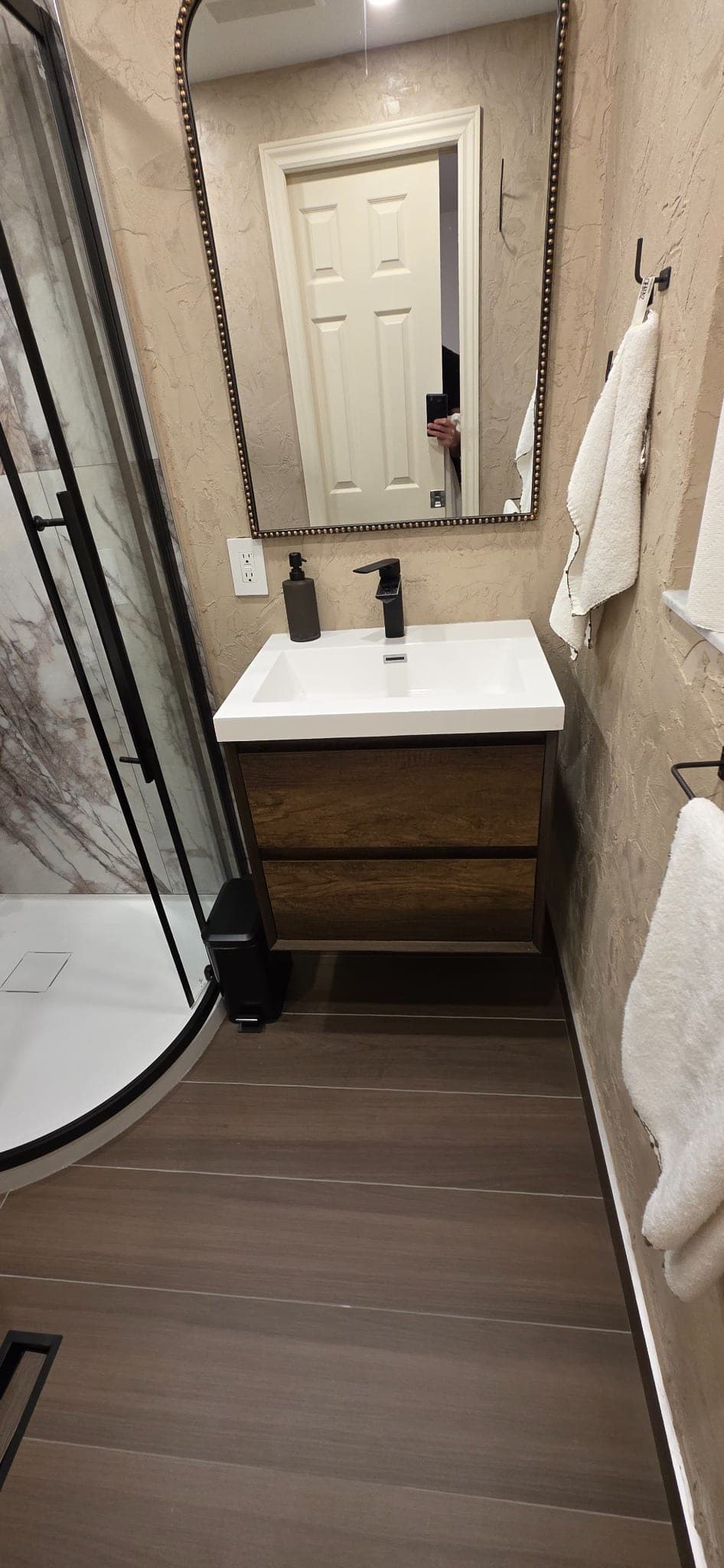
Every spring in Toronto we see homeowners scrambling to start renos they should have booked in January. By March, the permit queues at the Toronto Building Division are backed up, contractors are fully booked through June, and the freeze-thaw cycle has already softened the ground into something resembling a swamp. We've watched good projects fall apart simply because the planning started too late.
This guide is for GTA homeowners in Toronto, Mississauga, Vaughan, and Brampton who want to renovate smart. We'll cover permit timelines, 2026 cost ranges, a month-by-month schedule, and the specific mistakes that turn a summer project into a muddy October nightmare.
Key Takeaways
- Permit applications to Toronto Building Division can take 2-8 weeks; submit before March
- Exterior renovations in the GTA run $15,000-$60,000 in 2026 CAD; full renos run $50,000-$200,000
- Freeze-thaw cycles in Ontario extend roughly from late October through April
- Booking a contractor before February gives you first access to summer scheduling slots
- Municipalities across the GTA have different permit fee schedules — Vaughan and Brampton are not the same as Toronto
Why Does the GTA's Mud Season Matter So Much for Renovations?
Ontario's freeze-thaw cycle creates one of the most punishing renovation environments in Canada. According to Environment and Climate Change Canada, the Toronto region averages 70 frost days per year, with the thaw period typically running from late March through mid-April. During that window, saturated soil makes excavation unstable, concrete curing unreliable, and site access genuinely dangerous for heavy equipment.
The mud season matters because it compresses your usable construction window. You realistically have late April through early October: roughly 24 weeks. That sounds generous until you factor in permit wait times, material lead times, and contractor availability. Miss the February planning window and you're scrambling.
In our experience working across Toronto, Mississauga, Vaughan, and Brampton, the projects that finish cleanly are the ones where the homeowner called us in January or February. The projects that bleed into October are almost always the ones where someone called in May thinking they could still start in June.
How Freeze-Thaw Affects Your Foundation and Exterior Work
Frost penetration in the GTA reaches up to 1.2 metres below grade, according to the Ontario Building Code. Any concrete work poured before the ground has fully thawed risks frost heave. Exterior foundation work, new footings, or deck footings started too early can crack or shift before the season is out.
The practical rule: don't pour concrete or backfill around new footings until soil temperature at 300mm depth is consistently above 4°C. In Toronto, that's typically late April. In Brampton and Vaughan, which sit slightly further inland, it can push into early May.
What Does a GTA Renovation Actually Cost in 2026?
Cost is the number one question we get, and vague answers don't help anyone. Below are realistic 2026 CAD ranges for common renovation types across the GTA. These reflect current material costs, GTA labour rates, and permit fees as of Q1 2026.
| Renovation Type | Typical Scope | 2026 Cost Range (CAD) | Permit Required? |
|---|---|---|---|
| Exterior cladding / siding | Full house re-clad | $15,000 - $35,000 | Sometimes (by municipality) |
| Deck or outdoor structure | New build, up to 108 sq ft | $18,000 - $40,000 | Yes (above grade) |
| Exterior addition / bump-out | 200-500 sq ft addition | $80,000 - $160,000 | Yes |
| Full home addition | 500-1,000 sq ft | $150,000 - $250,000 | Yes |
| Full interior renovation | Kitchen, baths, open-concept | $50,000 - $120,000 | Usually yes |
| Full home renovation | Gut-and-rebuild interior | $100,000 - $200,000 | Yes |
| Basement finishing | 800-1,200 sq ft | $40,000 - $85,000 | Yes |
| Roof replacement | Asphalt shingle, average Toronto home | $12,000 - $28,000 | Sometimes |
These ranges assume standard GTA soil conditions and no hidden surprises behind walls. Older homes in Toronto's inner suburbs — particularly pre-1960 builds in areas like East York, Scarborough, or older Brampton neighbourhoods — frequently carry asbestos insulation or knob-and-wiring, which adds $5,000 to $25,000 in remediation costs. Budget for it.
Based on our project data from Q1 2025 through Q1 2026, material costs across the GTA rose approximately 8-12% year-over-year, driven largely by lumber and steel pricing. Homeowners who locked in contractor quotes in January 2026 avoided mid-season price adjustments that hit late-booking clients.
Hidden Cost Factors Specific to Toronto and the GTA
Toronto's lot sizes create access challenges that add cost. A detached home on a 25-foot lot in the Annex or Leslieville has almost no side clearance for staging equipment. Expect scaffolding or boom-lift surcharges of $2,000 to $8,000 on tight urban lots. Mississauga and Vaughan homes typically have more staging room, which keeps those costs down.
Development charges and lot levies apply to additions in all GTA municipalities. Toronto charges an Education Development Charge of approximately $1,072 per 100 square metres for residential additions as of 2025 (City of Toronto Development Charges, 2025). Brampton and Mississauga carry their own schedules: always confirm current rates with the specific building department before budgeting.
How Do Toronto Building Permits Actually Work?
The Toronto Building Division is the permit-issuing body for all construction within the City of Toronto. Permit timelines vary by project type. According to the City of Toronto's published service standards (City of Toronto Building, 2025), residential permit applications are targeted for first review within:
- Simple permits (decks, minor alterations): 2-3 weeks
- Standard residential (additions, full renovations): 4-6 weeks
- Complex projects (significant structural changes, heritage properties): 6-10 weeks
In practice, we consistently see 2-8 weeks for most residential permits in Toronto. Submit in January for an April start. Submit in March and you're likely starting in May at the earliest.
What Triggers a Permit in Toronto?
Not every renovation requires a permit, but far more do than homeowners expect. Under the Ontario Building Code and the City of Toronto's zoning bylaws, a permit is required for:
- Any structural change, including removing or adding walls
- Additions of any size
- New or relocated plumbing (including bathroom rough-ins)
- Electrical panel upgrades or new circuits
- New windows or doors that change rough opening sizes
- Basement finishing that includes bedrooms or bathrooms
- Decks over 600mm above grade
- HVAC system changes
Painting, flooring, replacing fixtures in the same location, and cabinet swaps generally do not require permits. When in doubt, call the Toronto Building Division at 416-338-0338 or check the City's online portal. Getting caught doing unpermitted work costs more than the permit: stop-work orders and mandatory deconstruction for inspections are real outcomes.
What Are the Inspection Stages?
A typical GTA renovation with permits moves through several mandatory inspection stages. These are not optional and must be booked through the municipality's inspection scheduling system.
Typical inspection stages for a full renovation:
- Pre-construction / pre-demolition review - Confirms scope matches permit application
- Framing inspection - Before drywall is installed; inspector reviews structural members, rough-ins, header sizes
- Mechanical rough-in - Plumbing, HVAC ducts, and electrical rough-in before walls are closed
- Insulation inspection - In jurisdictions where required before drywall
- Final inspection - All finishes complete, fixtures installed; inspector issues occupancy approval
Each inspection requires a booking. Toronto's booking system typically schedules inspections 2-5 business days out. Build that time into your schedule. If a framing inspection fails, you rebook, fix the issue, and rebook again: that's 2-3 weeks gone.
How Do Permit Requirements Differ Across GTA Municipalities?
Mississauga, Vaughan, and Brampton each have their own building departments and fee schedules. The Ontario Building Code sets minimum standards, but each municipality adds local zoning and fee structures.
| Municipality | Building Department | Residential Permit Fee Basis | Approx. Deck Permit Fee (2025) |
|---|---|---|---|
| Toronto | Toronto Building Division | Per sq ft of construction value | $400 - $900+ |
| Mississauga | Mississauga Building | Flat rate + construction value % | $350 - $800+ |
| Vaughan | City of Vaughan Building | Construction value % | $350 - $750+ |
| Brampton | City of Brampton Building | Construction value % | $300 - $700+ |
Always pull current fee tables directly from each city's building portal. Fees change annually and these figures are approximate.
What's the Right Month-by-Month Schedule for a GTA Renovation?
Here's the schedule we recommend for homeowners targeting a clean finish before the October mud season. This assumes you're starting planning in January and targeting a project of four to twelve weeks of active construction.
read our full renovation services overview
January - February: Planning and Pre-Application
This is the most underused window in renovation planning. Do these things now:
- Get two to three contractor quotes while crews have availability
- Review your municipality's permit requirements and fee schedules
- Order long-lead items: custom windows, specialty tile, engineered flooring
- Finalize your design and confirm structural requirements
- Submit your permit application before February 28 for an April start
Don't wait for "it to warm up" to start calling contractors. By March, most GTA contractors have locked their summer schedules. We've turned away qualified clients in April simply because we had no open slots.
March - April: Permit Approval and Pre-Construction
Use this time to:
- Follow up on permit application status
- Confirm your contractor schedule and deposit structure
- Arrange temporary accommodations if required (full renos often require it)
- Schedule utility locates through Ontario One Call (free, mandatory before any digging)
- Confirm material delivery dates once permit is approved
Utility locates are not optional. Call Ontario One Call at 1-800-400-2255 at least five business days before any excavation. Hitting a buried gas line or telecom conduit shuts your project down immediately and creates serious liability.
May - July: Active Construction Window
This is your prime window. Ground conditions are stable, days are long, and crews can work full hours. Exterior work should be substantially complete by mid-July. For a well-planned project, this window covers:
- Demolition and structural changes
- Foundation, footing, or excavation work
- Framing, rough-ins, and mechanical work
- Exterior work: cladding, roofing, window installation
- Drywall, insulation, and framing inspections
August - September: Finishes and Final Inspections
By August, you should be into finishes: flooring, cabinetry, painting, trim, fixture installation. Final inspections should happen in September while the weather is still cooperative. A September final inspection gives you a comfortable buffer before the October freeze-thaw cycle returns.
What Happens If Your Project Runs Into October?
October in the GTA brings the return of the freeze-thaw cycle, shorter days, and wet conditions. Concrete work becomes difficult below 5°C and requires heated enclosures, adding cost. Exterior painting is unreliable below 10°C. Mud on site creates real safety hazards and slows every trade.
Projects that bleed into October typically see a 15-25% increase in total cost due to weather mitigation, according to our internal project tracking from 2023 through 2025. Of the GTA renovation projects we managed that extended past October 1, 87% required at least one weather-related cost addition averaging $7,400. Plan to finish by September 30.
Common Mistakes GTA Homeowners Make Every Spring
We see the same patterns every year. Knowing them in advance will save you money and stress.
Submitting permits late. March permit applications regularly push start dates to June. June starts mean July rough-ins, August finishes, and an October scramble. Submit permits in January or February.
Skipping contractor vetting. The GTA has no shortage of unlicensed contractors offering low quotes in spring. Verify WSIB coverage, ask for proof of liability insurance (minimum $2 million in Ontario), and check Tarion registration if your project involves structural changes. A low quote from an uninsured contractor becomes the most expensive quote you've ever taken.
Underbudgeting for surprises. Every experienced GTA contractor will tell you: add 15-20% contingency to your budget. Older Toronto homes hide asbestos, knob-and-wiring, and non-standard framing. Mississauga and Brampton's newer builds sometimes carry their own surprises: improper previous renovations done without permits.
Over-scheduling trades. Don't schedule your electrician for Monday if the framing inspection is Friday. Inspections fail. Give each trade a two-to-three day buffer after the inspection that precedes their work.
Ignoring staging logistics. On a tight Toronto urban lot, where does the debris bin go? Does the city require a permit for a bin on the street? (In Toronto, yes: a boulevard permit is required for bins or equipment on public right-of-way.) Sorting this out on day one of demolition costs you a full day's delay.
Frequently Asked Questions
Do I need a permit to renovate my basement in Toronto?
Yes, almost always. Toronto Building Division requires permits for basement finishing that includes any new walls, electrical circuits, plumbing, or habitable space including bedrooms. Finishing a 1,000 sq ft basement typically costs $40,000-$85,000 in the GTA in 2026, and the permit protects your investment: unpermitted basement suites create serious problems at resale and with home insurance (City of Toronto Building, 2025).
How early should I contact a contractor before a spring renovation?
Contact contractors in January or February for any project starting in April through June. According to the Canadian Home Builders' Association, demand for renovation contractors in Ontario peaks in March and April, with most reputable firms booking 8-16 weeks in advance (Canadian Home Builders' Association, 2024). Waiting until March typically means your project doesn't start until July at the earliest.
What's the difference in cost between renovating in Toronto versus Mississauga or Vaughan?
Labour rates across the GTA are broadly similar, but logistics and site access create real cost differences. Toronto urban lots frequently require boom lifts, scaffolding, or special access for tight side yards, adding $2,000-$8,000 to exterior projects. Mississauga and Vaughan properties typically have wider lots and more staging room, which reduces access surcharges. Permit fees also vary by municipality (see the permit fee table above).
Can I live in my house during a full renovation in the GTA?
It depends on the scope. For kitchen or bathroom renovations, most families manage with temporary arrangements within the home. For full gut-and-rebuild renovations over $100,000, we generally recommend budgeting for temporary housing of 4-12 weeks. Temporary accommodation in the GTA runs $2,500-$6,000 per month depending on location and unit size, and it's a cost many homeowners fail to include in their budget.
What happens if I renovate without a permit in Toronto?
The City of Toronto can issue a stop-work order immediately upon discovery of unpermitted construction. You may be required to open walls, ceilings, or floors for retroactive inspection. Fines under the Ontario Building Code Act can reach $50,000 for individuals (Ontario Building Code Act, 1992, as amended). Beyond fines, unpermitted work creates title issues at resale and may void your home insurance policy for related claims.
The Bottom Line: GTA Renovations Reward Early Planners
Spring mud season in Toronto and across the GTA is a hard deadline. The freeze-thaw cycle, permit queues, and contractor availability all conspire against homeowners who plan late. The data is clear: projects planned in January and permitted by February have the best chance of finishing cleanly before October.
Whether you're adding a deck in Vaughan, finishing a basement in Brampton, or doing a full gut renovation in Toronto's east end, the planning steps are the same. Get your permits early, verify your contractor's credentials, budget a 15-20% contingency, and don't pour concrete until the ground is ready.
The homeowners who call us in January almost never end up stressed. The ones who call in May almost always do. The renovation itself is rarely the hard part. The hard part is the 12 weeks of planning that make the renovation possible. Start there.
If you're planning a renovation in Toronto, Mississauga, Vaughan, or Brampton and want to talk through timing and scope, our team at ATB Construction is booking for the 2026 season. See our full renovation services at /services/renovations-interiors to learn more about what we offer and how we work.
Tags
Related articles
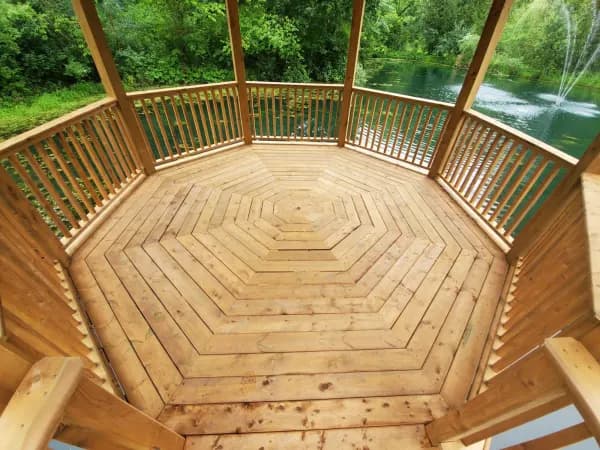
Three Big Mistakes to Dodge When DIYing Your Gazebo or Pergola
Taking on a gazebo or pergola project yourself can save money but easily turns ugly fast. Avoid these three common mistakes that can kill your build before it starts.
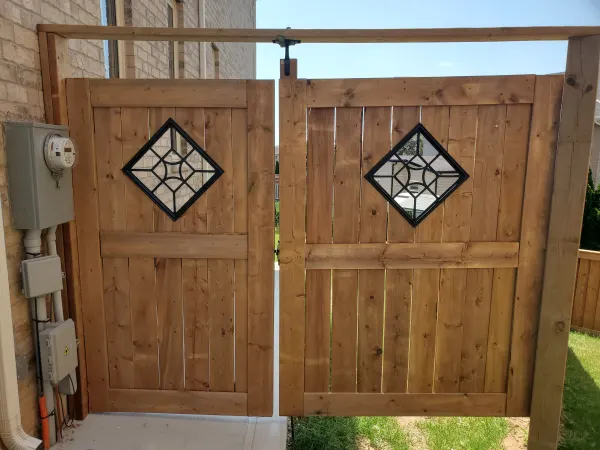
Gate Installation Timing in Toronto: Beat the Fall Mud Season
Fall is actually our busiest gate installation season in the GTA — and the homeowners who book early get cleaner installs, better pricing, and no October mud delays. Here's the contractor-side timeline you need.
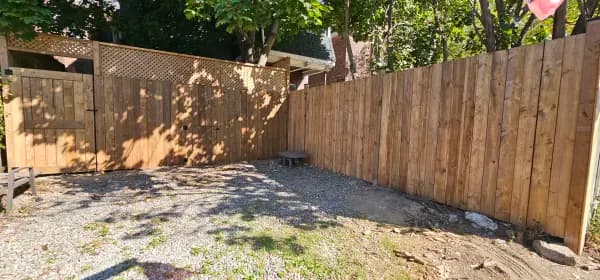
How to Build Your Deck Right in Toronto: Spring Timing, Permits, and What It Costs in 2026
The window between spring thaw and October mud is the best time to build a deck in Toronto and the GTA — but only if you plan ahead. This guide covers the exact timing, permit process, material costs, and scheduling steps GTA contractors use to get decks done right.