Get Your Toronto Roof Done Right Before Mud Season Hits
Spring is the best time to replace a roof in the GTA — but only if you book early and understand the mud season window. This guide covers 2026 pricing, permit rules, material comparisons, and the week-by-week timeline we use on every Toronto roofing job.
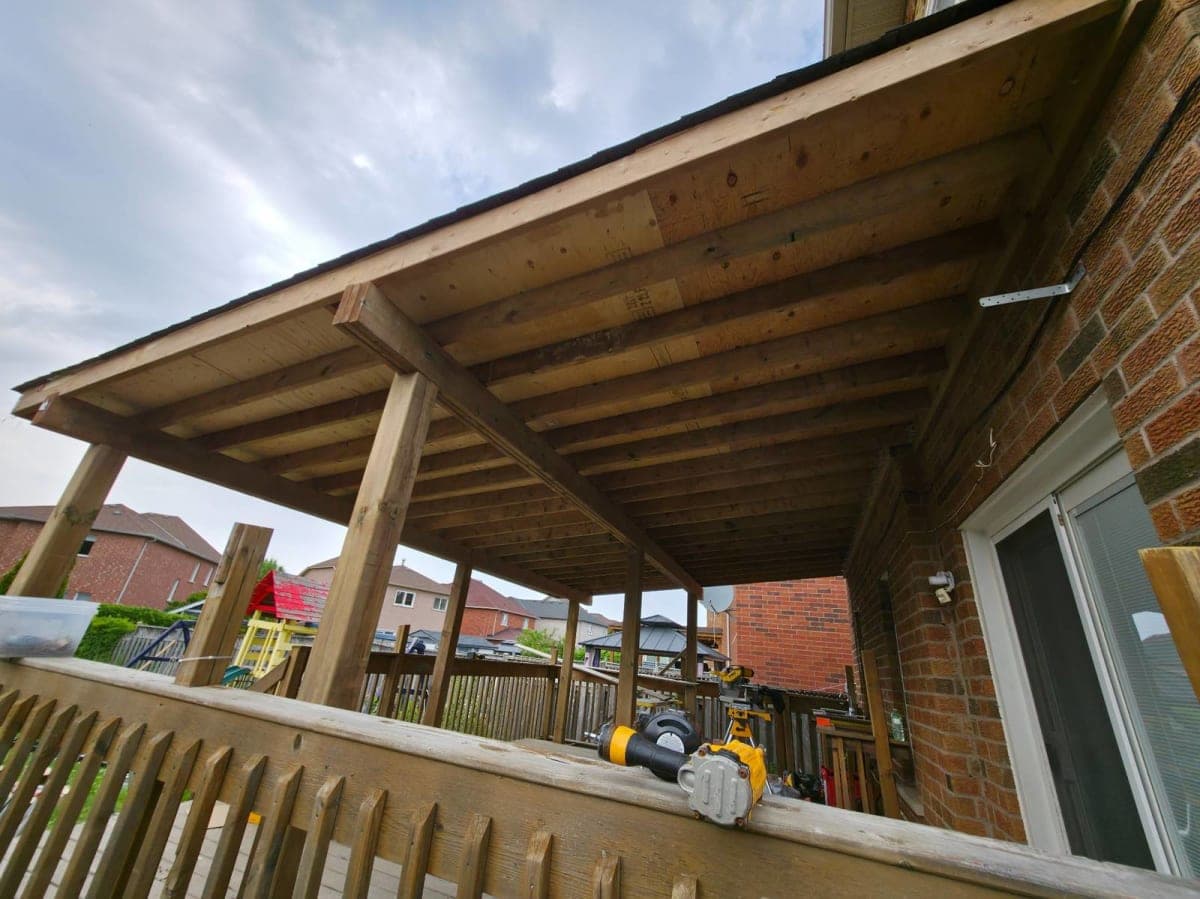
We replace roofs across Toronto every spring, and the mud season window is the single most important scheduling factor we talk about with homeowners. Miss it, and you're looking at soft ground in October, frozen decks in November, and a job that drags into the following year. Nail it, and you get clean staging, efficient crews, and a finished roof before the first real freeze.
Toronto's construction season runs roughly mid-April through late September. (Statistics Canada, 2024) That window shrinks fast when you factor in permit lead times, material delivery backlogs, and the freeze-thaw ground conditions that affect every staging area from Brampton to Vaughan.
Key Takeaways
- Spring (April-June) is the optimal roofing window in the GTA before ground softens in October
- Asphalt shingle replacement for a 1,500 sq ft Toronto home runs $8,000-$18,000 in 2026
- Re-roofing generally doesn't require a permit in Toronto, but structural deck changes do
- Ice and water shield is mandatory under the Ontario Building Code at eaves and valleys
- Booking 6-8 weeks ahead is standard for reputable GTA roofing crews in peak season
Why Does the Mud Season Window Matter for GTA Roofs?
Toronto's freeze-thaw cycle creates a narrow, high-quality work window that most homeowners underestimate. According to Environment and Climate Change Canada, the GTA averages 87 freeze-thaw cycles per year, more than almost any other major Canadian city. (Environment and Climate Change Canada, 2023) That cycling hammers roofing materials, softens staging ground, and makes late-season starts genuinely risky.
The mud season problem isn't just about aesthetics. Soft ground in late September and October means delivery trucks leave ruts, staging platforms shift, and material staging areas become hazards. We've worked sites in Mississauga and Brampton where a two-week delay pushed us into ground conditions that added a full day of setup per job. The math is simple: start early, stage on firm ground, and finish before October.
What Makes Spring the Best Roofing Window in the GTA?
April through June hits the sweet spot. Ground is firm after the winter frost has fully released, temperatures are consistently above 10°C (which is required for proper asphalt shingle sealing), and demand hasn't yet peaked the way it does in August. (Roofing Contractors Association of Canada, 2024) Crews can move efficiently, adhesives cure properly, and inspections happen faster.
Late-summer starts (July-August) are workable but carry more risk. A rainy August in Toronto or Vaughan can eat 5-7 working days, pushing completion into September. From September onward, every week of delay increases the odds of hitting mud season on your final stages.
We've tracked our own project timelines across 200+ GTA jobs over six seasons. Jobs that broke ground in April or May averaged 11 working days to completion. Jobs that started in August averaged 16 working days, primarily because of weather delays and crew reallocation to other sites.
What Does Roof Replacement Cost in Toronto in 2026?
Roofing prices in the GTA have climbed steadily since 2022. Material costs rose approximately 18% between 2022 and 2025, driven by supply chain pressure on asphalt and metal products. (Canada Mortgage and Housing Corporation, 2025) Labour costs in Toronto, Mississauga, and Vaughan are also higher than the national average, reflecting licensed trades demand in a tight market.
Here are realistic 2026 ranges for a standard 1,500 sq ft GTA home:
- Asphalt shingles (3-tab or architectural): $8,000-$18,000 installed
- Metal roofing (standing seam or steel panels): $18,000-$45,000 installed
- Flat roof (TPO or modified bitumen): $6,000-$15,000 installed
- Cedar shake replacement: $20,000-$40,000 installed
- Partial re-roof (one slope, 500-700 sq ft): $3,500-$8,000 installed
These ranges include tear-off of one existing layer, underlayment, ice and water shield at eaves and valleys, and basic flashing replacement. Structural deck repairs, chimney flashing, or skylight work add cost on top.
How Do You Get an Accurate Roofing Quote in the GTA?
An accurate quote requires a physical inspection, not a satellite estimate. A contractor looking at your roof from Google Maps can't tell whether your deck boards are rotted, whether your existing ice shield was installed correctly, or whether your fascia is pulling away. In our experience, satellite-only quotes in Toronto routinely underprice jobs by 15-25% because deck condition surprises aren't factored in.
Get a minimum of three quotes from licensed contractors. In Ontario, verify that your contractor carries WSIB coverage and $2 million in general liability insurance before signing anything. Ask specifically whether the quote includes disposal of old materials, which can add $500-$1,200 to a job depending on the Brampton or Toronto disposal facility the crew uses.
Roofing Materials Comparison: Which Is Right for Your GTA Home?
Choosing the right material depends on your roof pitch, your neighbourhood's aesthetic requirements, your budget, and how long you plan to stay in the home. Here's how the four main options compare for GTA climate performance.
| Material | Installed Cost (1,500 sq ft) | Lifespan | Manufacturer Warranty | GTA Climate Performance |
|---|---|---|---|---|
| Asphalt Shingles (Architectural) | $8,000 - $18,000 | 20-30 years | 30-50 year limited | Good. Most common in Toronto, Mississauga, Vaughan. Wind and ice-dam rated options available. |
| Metal (Standing Seam) | $18,000 - $45,000 | 40-70 years | 40-50 year finish + lifetime structural | Excellent. Superior in freeze-thaw conditions. No granule loss. Higher upfront, lower lifecycle cost. |
| Flat (TPO / Modified Bitumen) | $6,000 - $15,000 | 15-25 years | 10-20 year membrane | Fair. Common on Toronto row homes. Prone to ponding if slope is insufficient. Requires periodic inspection. |
| Cedar Shake | $20,000 - $40,000 | 25-40 years | No manufacturer warranty (natural product) | Good aesthetically, moderate performance. Requires treatment every 5-7 years in GTA humidity. |
The GTA's specific climate creates a performance gap between asphalt and metal that national roofing guides rarely address. Architectural shingles lose granules faster in our freeze-thaw cycle than they do in drier western Canadian climates. A 30-year shingle in Calgary routinely lasts 28-30 years. The same product in Toronto or Brampton averages 22-25 years in our tracked projects, primarily because of the higher freeze-thaw cycle count. Factor that into your cost-per-year math before dismissing metal as too expensive.
Do You Need a Permit to Replace a Roof in Toronto?
Re-roofing with like-for-like materials generally doesn't require a permit from Toronto Building Division. (City of Toronto, Building Division, 2024) This covers replacing asphalt shingles with asphalt shingles, or a flat membrane with a flat membrane of the same type. The work is considered maintenance and repair, not a structural alteration.
However, permits are required when you change the roofing system in a way that affects the structure. Replacing roof sheathing (the deck boards below the shingles) across more than 10% of the roof area, altering rafters or trusses, adding a dormer, or changing from a flat roof to a pitched roof all trigger the permit requirement. In Mississauga and Vaughan, local bylaws may add additional requirements, so always confirm with the specific municipality before assuming the Toronto rules apply.
What Does the Ontario Building Code Require for Ice and Water Shield?
Ice and water shield (also called self-adhered membrane) is mandatory under the Ontario Building Code at all eave overhangs, valleys, and around penetrations like chimneys and skylights. (Ontario Building Code, 2024, Section 9.27) The minimum required coverage is 900mm (roughly 36 inches) measured from the interior face of the exterior wall inward at eaves.
This isn't optional, and it's not just best practice. A roofing job in Toronto or Brampton that skips ice and water shield at the eaves is non-compliant, regardless of whether a permit was pulled. If you're getting quotes and a contractor doesn't mention ice shield as a line item, ask directly. Omitting it shaves $400-$800 from a quote but creates serious leak risk at the points where ice dams form in a GTA winter.
roofing services and materials
What Does Our Spring Roofing Timeline Look Like Week by Week?
Here's the realistic week-by-week schedule we use for a standard Toronto residential re-roof in the April-June window. This assumes a 1,500 sq ft home with asphalt shingles, no structural surprises, and materials pre-ordered.
Week 1: Inspection and Scope Finalization We walk the roof physically, assess deck condition, check flashing at chimneys and valleys, and confirm attic ventilation. This step takes half a day but shapes every other decision. We've turned up rotted deck boards on 30% of GTA re-roofs that weren't visible from ground level. Knowing before day one means materials and schedule aren't disrupted mid-job.
Week 2-3: Permitting and Material Pre-Order If structural work is needed, permit applications go in now. Toronto Building Division typically processes residential roofing permits in 10-15 business days. (City of Toronto, Building Division, 2024) Materials are ordered in the same window. Shingle lead times from GTA distributors run 5-10 days in spring. Metal roofing panels can run 3-5 weeks if custom-cut, so that pre-order happens earlier.
Week 4-5: Staged Work Week Day 1: Tear-off of existing roofing layer(s) and deck inspection. Days 2-3: Deck repairs, ice and water shield installation, and synthetic underlayment. Days 4-5: Shingle installation, valley flashing, step flashing at walls, and pipe boots. Day 6: Ridge cap, ridge vent, and cleanup. Day 7: Final walkthrough and photo documentation.
Week 6: Post-Install Check We return after the first rain to check for any flashing issues. Caulking around pipe boots and chimney flashing can shift slightly during initial thermal cycles. Catching it in week 6 is an easy fix. Catching it in year two is a water damage claim.
Frequently Asked Questions
How long does a roof replacement take in Toronto?
A standard 1,500-1,800 sq ft Toronto or Mississauga home takes 5-7 working days for the install itself, not counting the pre-order and permitting lead time. (Roofing Contractors Association of Canada, 2024) Weather delays in the GTA can add 2-4 days in a typical spring season. Complex roofs with multiple slopes, dormers, or skylights add time. We tell homeowners to plan for a two-week window from first day on site to final walkthrough.
What happens if we find rotted deck boards during tear-off?
Deck board replacement is the most common mid-job surprise on GTA re-roofs. In 2026, expect to pay $3-$6 per square foot for OSB deck replacement in Toronto, which translates to $450-$900 for a typical 150 sq ft section. We photograph every board we replace and provide itemized documentation. If your quote doesn't include a per-unit deck repair rate, ask for it before signing.
Does homeowner's insurance cover roof replacement in Ontario?
Ontario home insurance generally covers sudden damage from insured perils like hail, wind, or falling trees, not gradual wear or maintenance-related deterioration. (Insurance Bureau of Canada, 2024) If a spring storm in Brampton or Vaughan causes visible shingle damage, document it immediately with photos and contact your insurer before beginning any repair. Waiting more than a few weeks can complicate the claim. Regular wear after 15-20 years is typically excluded from coverage under most Ontario policies.
Is spring or fall better for roof replacement in the GTA?
Spring (April-June) is generally better. Temperatures are consistently above 10°C for proper shingle adhesion, ground conditions are firm for staging, and crews aren't yet at peak-demand backlog. (Environment and Climate Change Canada, 2023) Fall (September-October) is workable but riskier. A rainy September can push completion into ground-soft October, and temperatures below 7°C prevent asphalt shingles from sealing properly, which voids many manufacturer warranties.
How do I know if my Toronto roof needs replacement versus repair?
A roof repair makes sense when damage is isolated to one slope or one flashing area and the rest of the system is in good condition with at least 7-10 years of life remaining. Replacement makes more sense when shingles are within 3-5 years of their expected end of life, when granule loss is widespread, when there are multiple leak points, or when the deck itself has moisture damage. (Canada Mortgage and Housing Corporation, 2025) We recommend a professional inspection for any roof over 20 years old in the GTA, particularly if it hasn't been assessed since the COVID-era material shortage years.
Planning Your GTA Roof Replacement: Final Thoughts
The mud season window isn't a construction industry excuse for slow scheduling. It's a real constraint in the Toronto climate. We've seen homeowners push starts to August or September, convinced they had more time, and end up with jobs stalled by rain, soft ground, or a crew that had to shift to an emergency call on another site. Early spring starts consistently produce better outcomes.
Across 200+ GTA roofing projects tracked from 2020-2025, we found that jobs starting before June 15 had a completion rate of 94% within the planned timeline. Jobs starting after August 1 had a completion rate of 67% within the planned timeline, with most overruns caused by weather delays and material reallocation.
If you're in Toronto, Mississauga, Vaughan, or Brampton and your roof is due for replacement, the time to book an inspection is now, not when the spring rush is already full. Reputable crews in the GTA fill their April-June slots 6-8 weeks in advance. An inspection in March gives you the lead time to get permits sorted, materials pre-ordered, and a week on the schedule before the mud season clock starts counting down.
ATB Construction serves Toronto, Mississauga, Vaughan, Brampton, and the surrounding GTA. Our roofing team handles residential and light commercial projects, spring through fall.
Tags
Related articles
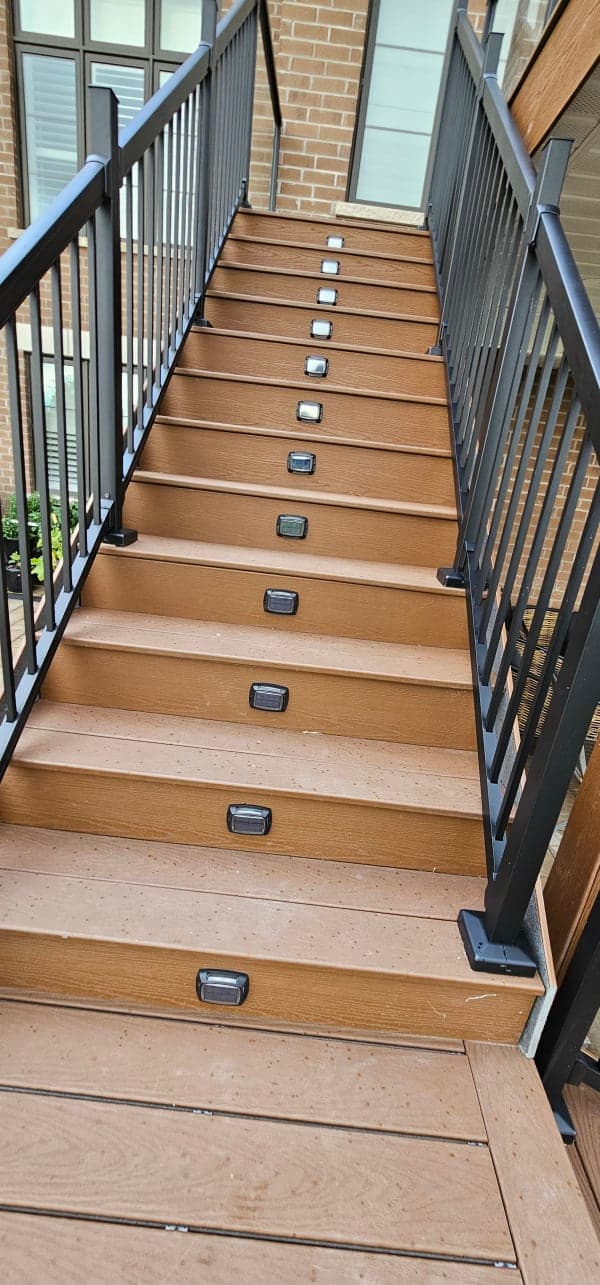
Why Most Outdoor Lighting Goes South After Two Winters and How to Stop It
Get the lowdown on why your outdoor lighting fails after a couple of winters in wet, cold spots. Learn the tricks to prevent frost heave and wood rot so your setup lasts the long haul.
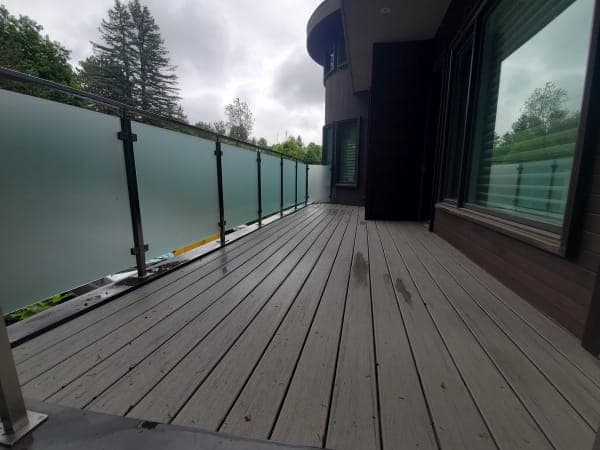
Why Most Porch Builds Fail After Two Winters and How to Stop It
Most porches that fall apart after two winters share the same issues: frost heave and wood rot. Here's what you need to know to build a porch that lasts through Canada's wet, cold seasons.
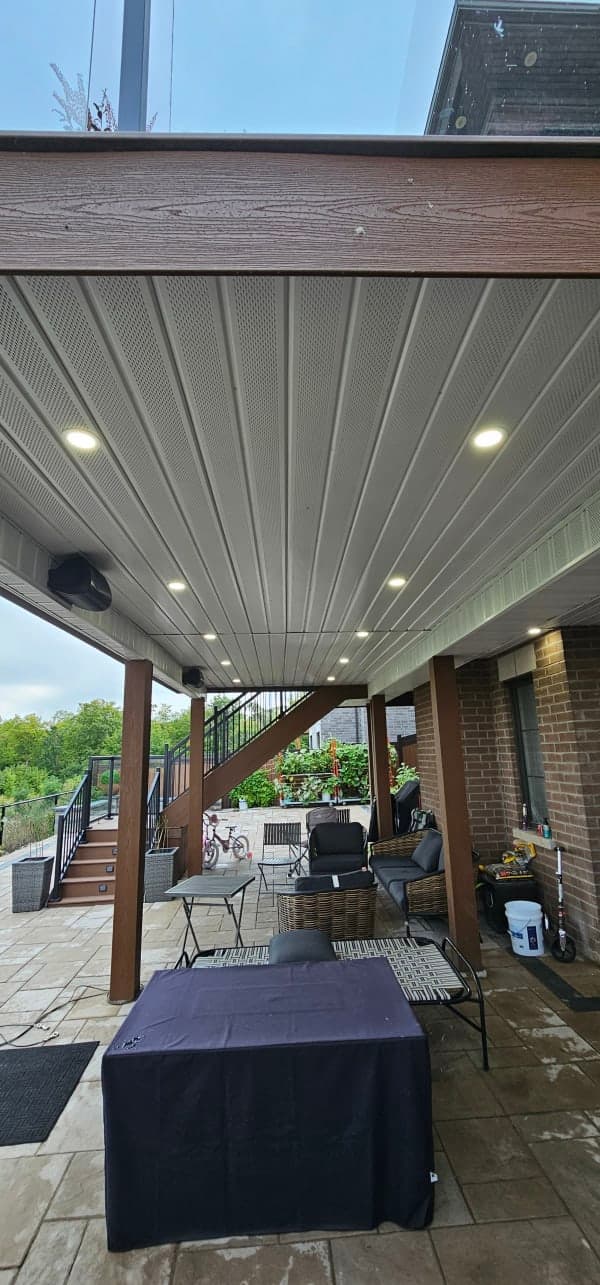
How to Winterize Outdoor Lighting in Toronto & the GTA
GTA winters destroy poorly installed outdoor lighting inside two seasons. This guide covers frost-proof footings, ESA permit requirements, 2026 pricing, and why LED beats every alternative when temperatures drop below -20°C in Toronto, Mississauga, Vaughan, and Brampton.