How to Build Your Deck Right in Toronto: Spring Timing, Permits, and What It Costs in 2026
The window between spring thaw and October mud is the best time to build a deck in Toronto and the GTA — but only if you plan ahead. This guide covers the exact timing, permit process, material costs, and scheduling steps GTA contractors use to get decks done right.
Spring in the GTA doesn't last long. Between the final frost and the soggy October mud, there's a window of roughly five months where deck construction can move fast, stay on schedule, and finish with clean results. Miss that window and you're either fighting wet ground in November or watching your project drag into the following year.
We build decks across Toronto, Mississauga, Vaughan, and Brampton, and the pattern is consistent: the homeowners who start planning in February are relaxing on finished decks by the long weekend in July. The ones who call us in June are often looking at late summer or fall completion — if the weather cooperates.
This guide walks through exactly what that spring-to-mud-season window looks like from the ground up: permits, footings, material selection, pricing, and the scheduling moves that keep a GTA deck project on track.
Key Takeaways
- The GTA deck-building season runs roughly March through September, with peak contractor availability in April and May
- Toronto Building Division permits typically take 2–6 weeks; apply before ground thaw
- Deck costs in Toronto range from $8,000 to $25,000+ depending on size and materials (HomeStars Canada, 2025)
- OBC requires footings at minimum 1.2 m depth to clear the frost line
- Pressure-treated wood is the most affordable option; composite costs 2–3x more but lasts significantly longer
learn more about our deck building services
Why Does the Spring Window Matter for Deck Builds in Toronto?
The spring window matters because Toronto's climate creates hard physical constraints on when deck construction is safe, code-compliant, and cost-effective. According to Environment and Climate Change Canada, the Toronto area sees ground frost extend to roughly 1.0–1.2 m depth through winter, with full thaw typically arriving between late March and mid-April depending on the year. Concrete poured into still-frozen ground fails to cure properly, and post holes dug before thaw can shift as ice retreats.
Once the ground clears, the clock starts. May and June are the most productive months: soil is workable, rain is manageable, and material deliveries move quickly because roads are in good condition. By late September, shorter days and cooling temperatures slow concrete cure times again. October often brings sustained rain that turns sites muddy and equipment-unfriendly.
There's also a contractor-availability factor. Deck builders in the GTA are in highest demand from June through August. If your permit and materials are not ready by then, you're competing with every other homeowner who procrastinated. We've seen a straightforward Mississauga deck project get pushed six weeks simply because the framing lumber order went in during peak demand.
In our experience across GTA builds, projects that start the permit process in February or March consistently finish before the August heat sets in. Projects that start permit applications in May routinely push into September — sometimes later.
When Exactly Should Each Phase Start?
| Phase | Ideal GTA Start | Notes |
|---|---|---|
| Permit application | Late February / early March | Toronto Building Division: 2–6 week review |
| Utility locates (Ontario One Call) | 5 business days before dig | Free; legally required |
| Site clearing and layout | Late March / early April | After confirmed ground thaw |
| Footing excavation and concrete pour | Early-to-mid April | Ground must be fully thawed |
| Post installation and framing | Late April / May | Concrete needs 7-day cure minimum |
| Decking boards and railings | May / early June | Aim to finish before peak summer |
| Stain, seal, or paint | Late June (after boards settle) | Wait 30–60 days on new pressure-treated wood |
| Final inspection | Scheduled after completion | Required by Toronto Building Division |
This schedule assumes a standard-sized residential deck, roughly 200–400 sq ft, in Toronto, Mississauga, Vaughan, or Brampton. Larger or more complex projects need an additional two to four weeks built into each phase.
What Does a Deck Permit in Toronto Actually Involve?
The Toronto Building Division requires a building permit for any deck attached to a house, any deck over 600 mm above grade, or any deck larger than 10 square metres. Most residential decks in Toronto meet at least one of these criteria. According to the City of Toronto's 2025 permit fee schedule, residential deck permits typically cost between $190 and $475 depending on construction value, with applications submitted through the city's online portal.
What You Need to Submit
The Toronto application package generally requires:
- A site plan showing the deck location relative to property lines and the house
- Structural drawings showing footing size, post dimensions, beam spans, and joist spacing
- A completed application form with homeowner or contractor signature
- Construction value declaration (used to calculate the permit fee)
Toronto's turnaround is typically 2–6 weeks for straightforward residential decks. Mississauga, Vaughan, and Brampton have comparable processes, though Brampton has historically run 3–5 weeks during peak season. Submit early, not when you're ready to dig.
OBC Footing Depth: The 1.2 m Rule
The Ontario Building Code (OBC) sets the frost line depth for Southern Ontario at 1.2 metres. Every deck footing in the GTA must reach at least that depth. This isn't a guideline — it's a structural code requirement that inspectors check. Footings that fall short of 1.2 m are subject to frost heave, which means posts shift, frames rack, and boards gap or buckle within a few freeze-thaw cycles.
We pour concrete tube footings to 1.2 m minimum on every GTA project. On sites with clay-heavy soil — common in parts of Brampton and Vaughan — we go deeper, typically 1.35–1.5 m, because clay retains moisture and can transmit frost pressure higher than sandy or loam soils.
How Much Does a Deck Cost in Toronto in 2026?
Deck costs in Toronto range from roughly $8,000 for a basic ground-level pressure-treated platform to over $25,000 for a large elevated composite deck with built-in lighting and glass railings. According to HomeStars Canada's 2025 renovation cost report, the average deck project in the GTA came in at approximately $14,200 for a mid-range build, including permits and labour.
Based on our own completed projects in 2025–2026, here's what GTA homeowners are actually paying across common deck types:
| Deck Type | Size (approx.) | Typical Price Range (2026 CAD) |
|---|---|---|
| Pressure-treated wood, ground level | 200 sq ft | $8,000 – $12,000 |
| Pressure-treated wood, elevated (second floor access) | 250–350 sq ft | $13,000 – $18,000 |
| Composite decking (mid-grade), ground level | 200 sq ft | $14,000 – $19,000 |
| Composite decking (premium), elevated | 300–400 sq ft | $20,000 – $28,000 |
| Hardwood (ipe or tigerwood), ground level | 200 sq ft | $18,000 – $25,000 |
These figures include materials, labour, permit fees, and a standard railing system. They do not include significant site grading, retaining walls, or custom built-ins like benches or pergolas.
Per-Material Cost Comparison
Pressure-treated (PT) lumber is the entry point for GTA decks. It typically runs $3–$5 per linear foot for 5/4 decking boards, and it's widely available at local suppliers in Mississauga and Vaughan. The downside: PT wood requires regular maintenance, including staining or sealing every two to three years, and it can warp or check if not properly dried before installation.
Composite decking costs $7–$14 per linear foot for mid-grade boards (Trex, Fiberon, TimberTech). Premium capped composite products push to $15–$20 per linear foot. The upside is a 25-year warranty from most major brands and minimal maintenance beyond annual cleaning.
Hardwood options like ipe (Brazilian walnut) run $12–$18 per linear foot. Ipe is extremely durable — it naturally resists rot and insect damage without treatment — but it requires pre-drilling for fasteners and is notoriously difficult to work with on-site.
What Spring Site Prep Actually Looks Like on a GTA Build
Site preparation sounds simple. In practice, it's where most cost overruns and schedule slips happen in the GTA. Here's what the prep phase actually involves.
Utility Locates
Ontario law requires contacting Ontario One Call (1-800-400-2255 or online) at least five business days before any digging. The locate is free. The consequences of skipping it are not. Gas lines, buried electrical conduits, and water service lines are common in established Toronto and Mississauga neighbourhoods, and their depths vary widely in older subdivisions.
We submit the locate request as soon as the permit is approved, not the day before digging starts. This keeps the schedule intact even if the locate takes the full five business days.
Ground Assessment
Once the frost is out, we do a quick ground assessment before excavating footing holes. We're checking for:
- Soil type (clay vs. loam vs. sandy)
- Evidence of fill material (common in Vaughan and newer Brampton subdivisions where lots were regraded during development)
- Slope and drainage direction
- Proximity to tree roots or buried landscaping features
Clay soil holds water and can swell. Fill material is often poorly compacted and requires larger footing pads. These aren't surprises you want to find on pour day.
Drainage Planning
Canada's freeze-thaw cycle is hard on anything sitting on or in the ground. We grade the area under the deck to drain away from the house foundation, and in most cases we place a layer of crushed stone under the deck frame to discourage vegetation growth and standing water.
Standing water under a deck accelerates wood rot, attracts insects, and creates frost-heave pressure on footings. It takes an extra hour to grade it properly. It saves a lot of calls five years later.
Spring vs. Other Seasons: Is Spring Really the Best Time to Build?
Short answer: yes, for most GTA homeowners. Here's the fuller picture.
| Season | Pros | Cons |
|---|---|---|
| Spring (April – June) | Optimal concrete cure temps, highest contractor focus, longest usable time before mud season | Permit delays if applied late; brief wet spells possible |
| Summer (July – August) | Long days, dry weather | Peak contractor demand; material shortages; heat can affect some concrete mixes |
| Fall (September – October) | Contractors often available; material prices sometimes softer | Shortening days; early frosts; mud season arrives by October in most GTA areas |
| Winter (November – March) | Some interior prep possible | Ground frozen; concrete pour not practical outdoors; permit offices slower |
Spring wins for one core reason: you build it and have all summer to enjoy it. A deck completed in late October gives you six weeks before it's covered in snow.
There's a secondary advantage to spring builds that rarely gets mentioned. Material prices for pressure-treated lumber and composite boards typically peak in June and July when demand is highest. Homeowners who purchase materials in April or early May frequently pay 8–15% less for the same products, based on our supplier quotes across the 2024 and 2025 seasons.
Frequently Asked Questions
Do I Need a Permit for a Small Deck in Toronto?
Most decks in Toronto require a building permit. The threshold is low: any deck attached to the house, any deck over 600 mm (about 24 inches) above grade, or any deck over 10 square metres (about 108 square feet) needs a permit. A basic 10x10 ground-level freestanding platform might fall below these thresholds, but verify with Toronto Building before starting. Permit fees for residential decks in Toronto typically run $190–$475 (City of Toronto Building Division, 2025).
How Long Does a Deck Build Take From Permit to Completion in the GTA?
For a standard residential deck in Toronto, Mississauga, Vaughan, or Brampton, the full timeline from permit application to a finished deck is typically 8–14 weeks. Permit review alone takes 2–6 weeks. Physical construction on a 200–300 sq ft deck generally runs 1–2 weeks of active work, with a concrete cure period of at least 7 days between pouring footings and installing posts. Starting the permit process in February or March is the most reliable way to be done by early summer.
What Is the OBC Frost Line Depth and Why Does It Matter for My Deck?
The Ontario Building Code requires deck footings in Southern Ontario to reach a minimum depth of 1.2 metres (approximately 4 feet). This depth clears the frost line, meaning the footing sits below the zone where ground freezes and expands in winter. Footings that are too shallow shift with every freeze-thaw cycle, which causes decks to become structurally unstable over time. According to the National Research Council of Canada, Southern Ontario experiences frost penetration of 1.0–1.2 m in a typical winter.
How Do I Choose Between Pressure-Treated Wood and Composite Decking?
The choice comes down to upfront cost versus long-term maintenance. Pressure-treated wood costs roughly $8,000–$12,000 for a basic 200 sq ft ground-level deck in Toronto but needs staining or sealing every two to three years. Composite decking for the same footprint runs $14,000–$19,000 with minimal ongoing maintenance and a 25-year manufacturer warranty on most products. If you plan to stay in the home for 10 or more years, composite often wins on total cost of ownership. If budget is the primary constraint, quality PT lumber is a proven and durable option when properly maintained.
Can I Build a Deck Myself in Toronto, or Do I Need a Licensed Contractor?
Homeowners can pull their own permits in Toronto and act as owner-builder for their own residence. However, the permit application still requires proper structural drawings, and the completed work must pass inspection. Toronto Building Division inspectors check footing depth, post sizing, beam spans, joist spacing, railing height, and fastener specifications. Any failure means corrections before approval. Most homeowners find the permit and inspection process straightforward for simple decks but benefit from professional help on elevated or complex structures. Learn more about our deck building services.
Wrapping Up: The GTA Deck Season Is Short — Plan for It
The spring-to-mud-season window is real, and it's shorter than most homeowners expect. In Toronto and across the GTA, you're looking at roughly five months of reliable construction weather. The permits alone can consume six weeks of that window if you apply late.
The homeowners who get the most from their investment start permit applications in February, order materials in March, and have footings poured by mid-April. That schedule puts a finished deck in your backyard well before July. It also means you're not competing with the peak summer rush for contractor availability or materials.
Start with the permit. Confirm your footing depth meets OBC's 1.2 m requirement. Choose materials based on your long-term plan for the home, not just the upfront number. And get someone on-site who knows what GTA soil conditions look like after a hard winter.
If you're planning a deck project in Toronto, Mississauga, Vaughan, or Brampton in 2026, the best time to start that conversation is now. Explore our deck building services to see what we've built across the GTA and to get a project estimate.
ATB Construction builds decks across the Greater Toronto Area. Our team handles permits, site prep, and construction for residential deck projects throughout Toronto, Mississauga, Vaughan, and Brampton.
Tags
Related articles
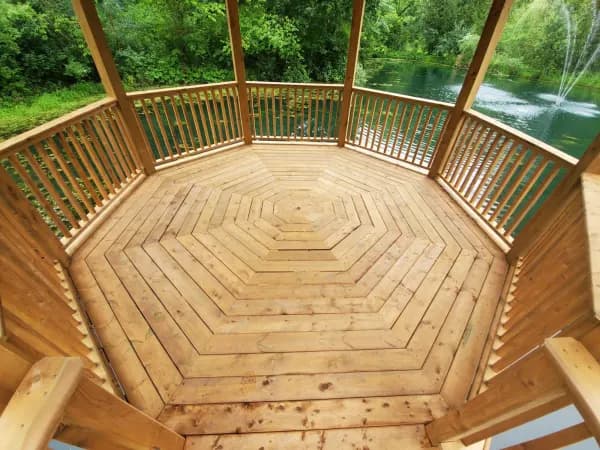
Three Big Mistakes to Dodge When DIYing Your Gazebo or Pergola
Taking on a gazebo or pergola project yourself can save money but easily turns ugly fast. Avoid these three common mistakes that can kill your build before it starts.
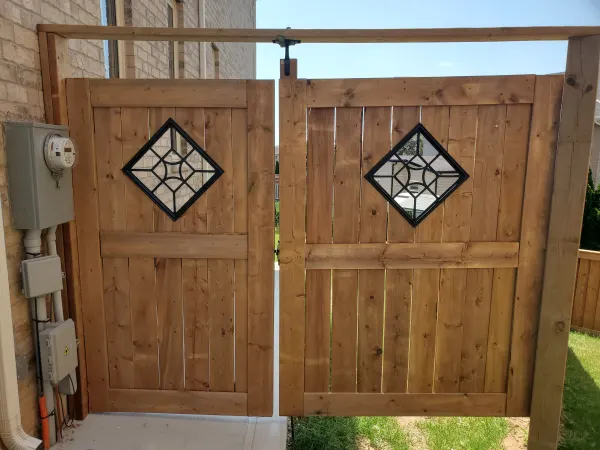
Gate Installation Timing in Toronto: Beat the Fall Mud Season
Fall is actually our busiest gate installation season in the GTA — and the homeowners who book early get cleaner installs, better pricing, and no October mud delays. Here's the contractor-side timeline you need.
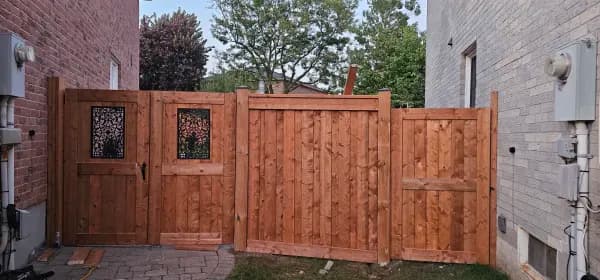
Wrong Lumber and Fasteners Will Kill Your Fence in Toronto's Climate
The number-one reason Toronto and GTA homeowners call us to rebuild fences is simple: the wrong lumber and the wrong fasteners. Learn which materials actually survive Ontario's freeze-thaw cycles, what it costs to get it right, and how to avoid a costly second build.