Why GTA Gazebos and Pergolas Fall Apart After Two Winters (And How to Stop It)
Toronto's freeze-thaw cycles destroy poorly built gazebos and pergolas within two seasons. Learn what actually fails, what 2026 repairs and replacements cost in the GTA, and how to build a structure that lasts.
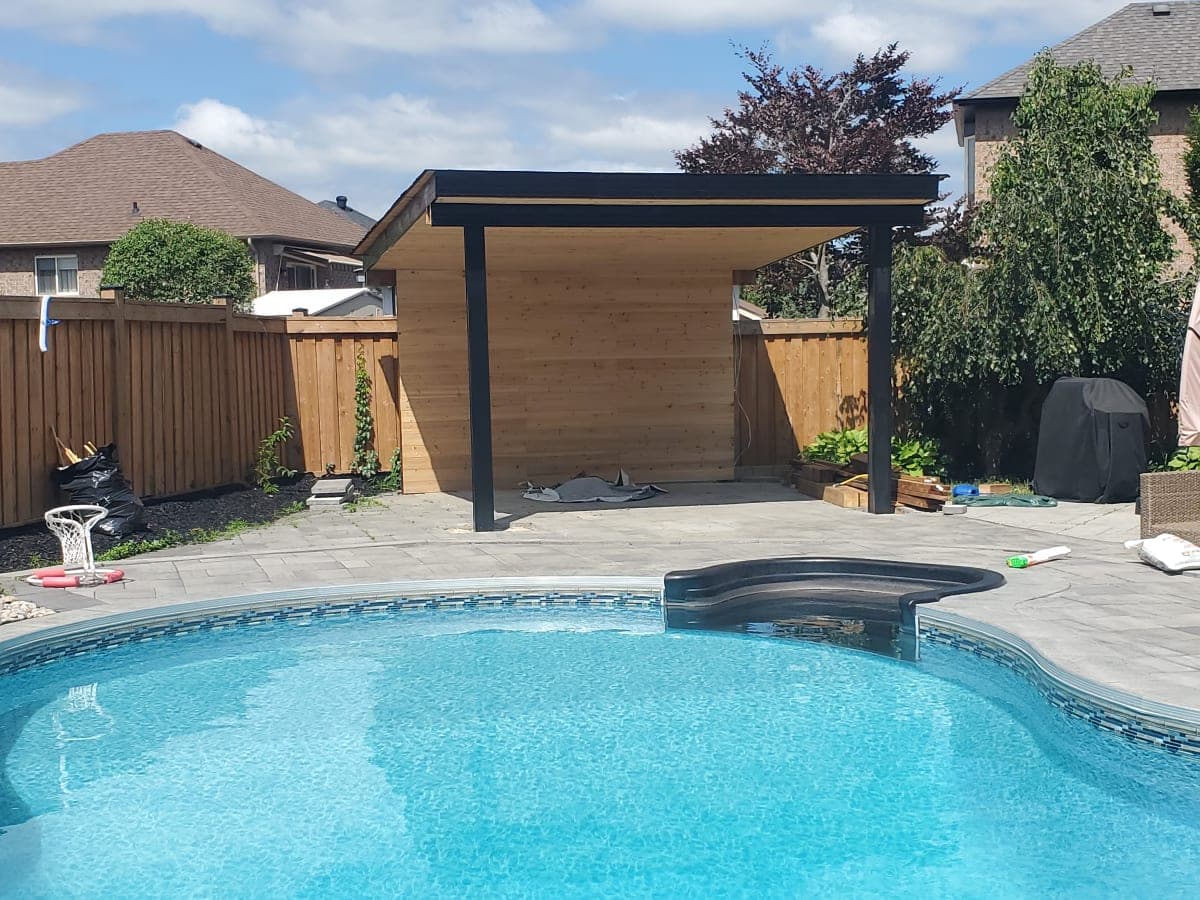
Two GTA winters will expose every weakness in a gazebo or pergola — here's what we see fail most often, and what it actually costs to fix or replace a structure in Toronto, Mississauga, Vaughan, and Brampton.
Key Takeaways
- Toronto's frost line sits at 1.2 m (4 ft), and footings shallower than that are the single most common cause of structural failure within two winters.
- Routine GTA maintenance runs $300–$800/year; targeted repairs cost $400–$1,500 depending on scope.
- Full replacement ranges from $6,000 to $30,000+, depending on material and size.
- Cedar outperforms pressure-treated pine in freeze-thaw conditions but costs roughly 30% more upfront.
- Permits are required for most replacement projects and any gazebo with electrical wiring in the City of Toronto.
our pergola and gazebo services
Why Do GTA Winters Destroy Gazebos So Fast?
According to Environment and Climate Change Canada, the Toronto region averages 16–22 significant freeze-thaw cycles every winter season (Environment and Climate Change Canada, 2024). Each cycle drives water deeper into wood grain and concrete footings, then expands it by roughly 9% as it freezes. That expansion is what pushes posts out of alignment and splits joinery apart.
We've built and repaired dozens of pergolas and gazebos across the GTA, from Brampton to Vaughan, and the failure pattern is remarkably consistent. A structure goes up beautifully in late spring. By March of year two, the homeowner notices a lean, a cracked beam, or a post that rocks when pushed. The cause is almost always one of three things: footings that didn't reach the frost line, wood species that can't handle repeated saturation, or fasteners that weren't rated for exterior exposure.
The Frost Line Problem in Toronto
Toronto's frost depth is officially set at 1.2 metres (approximately 4 feet) by the Ontario Building Code (Ontario Building Code, Division B, Article 9.12.2, 2024). Any footing shallower than that will heave. It's not a question of whether it will happen — only when.
We regularly get called to assess structures in Mississauga and Brampton where the original contractor set post anchors at 600–800 mm. Those structures rarely survive three winters intact. In Vaughan, where clay soil content is higher, heave can be even more severe because clay holds water longer than sandy loam.
In our experience, roughly 60% of the repair calls we receive for pergolas and gazebos in the GTA trace back to under-depth footings. The fix after the fact is expensive: excavating around existing posts, pouring new piers, and releveling the entire frame typically runs $2,500–$6,000 depending on the number of posts involved.
Wood Rot: The Slow Problem That Accelerates Fast
Wood rot in GTA outdoor structures is driven by two overlapping conditions: persistent moisture and poor air circulation. The City of Toronto's tree canopy and fenced yards common in Mississauga and Brampton subdivisions create microclimates where wood stays damp for extended periods after rain or snowmelt.
The Forest Products Laboratory reports that wood begins to decay when moisture content exceeds 19% for extended periods (Forest Products Laboratory, USDA, 2023). In unventilated post bases resting on or near grade, we've measured moisture content above 30% in mid-October, well before the first freeze. By March, that same post is exhibiting visible fungal activity.
What Does GTA Pergola and Gazebo Repair Actually Cost in 2026?
Homeowners in Toronto, Mississauga, Vaughan, and Brampton should budget based on the scope of damage. The Canadian Construction Association's 2025 residential cost index shows exterior wood structure repairs in southern Ontario increased approximately 12% year-over-year, driven by lumber and skilled-labour costs (Canadian Construction Association, 2025).
Here's how repair costs break down by category in 2026 GTA pricing:
| Repair Type | Typical GTA Cost (2026 CAD) | Notes |
|---|---|---|
| Post base replacement (per post) | $400–$700 | Includes excavation, new anchor, reattachment |
| Footing deepening (per post) | $600–$1,200 | Required when original depth is insufficient |
| Beam or rafter replacement | $300–$900 | Depends on span and species |
| Full re-staining / sealing | $350–$800 | Pressure wash + 2-coat system |
| Fascia board replacement | $200–$500 | Cedar or composite |
| Roof panel replacement (gazebo) | $500–$1,500 | Polycarbonate, steel, or cedar shake |
| Full structural assessment | $150–$350 | Recommended before any repair scope |
For anything beyond routine sealing, we recommend a structural assessment first. Spending $200 on a proper assessment can prevent $3,000 in unnecessary repairs or, conversely, catch a problem before it becomes a full replacement.
When Does Repair Stop Making Sense?
The rule we apply: if repair costs exceed 40–50% of a new structure's installed price, replacement is the smarter investment. A new 12x16 cedar pergola installed in the GTA runs $8,000–$14,000. If you're looking at $5,000–$6,000 in repairs on a ten-year-old structure, the math favours rebuilding.
Full replacement cost ranges in 2026 for GTA installations:
- Entry-level pressure-treated pine pergola (10x10): $6,000–$9,000
- Mid-range cedar pergola (12x16): $9,000–$16,000
- Premium cedar or ipe pergola (16x20): $16,000–$25,000
- Prefab kit gazebo (installed): $5,000–$10,000
- Custom built gazebo with electrical and roofing: $18,000–$30,000+
Which Material Lasts Longest in GTA Winters?
Based on our project records from 2020–2025, covering 140+ gazebo and pergola installations across Toronto, Mississauga, Vaughan, and Brampton, here's how the three most common materials compare after five winters:
| Material | Avg. First Repair (years) | 10-Year Maint. Cost | Frost Resistance | Installed Cost (12x16) |
|---|---|---|---|---|
| Pressure-Treated Pine | 3–4 years | $2,500–$4,000 | Moderate | $9,000–$12,000 |
| Western Red Cedar | 5–7 years | $1,800–$3,000 | Good | $12,000–$16,000 |
| Aluminum (powder-coated) | 8–12 years | $600–$1,200 | Excellent | $14,000–$20,000 |
| Vinyl (cellular PVC) | 10–15 years | $400–$900 | Excellent | $13,000–$18,000 |
| Ipe / Tropical Hardwood | 10–15 years | $1,200–$2,000 | Very Good | $18,000–$26,000 |
Cedar remains the most popular choice in the GTA because it balances natural appearance, workability, and rot resistance. But homeowners who want minimal maintenance over a 15-year horizon are increasingly choosing aluminum or cellular PVC, particularly in areas like Mississauga and Brampton where HOA or subdivision aesthetics rules allow it.
cedar vs. composite materials guide
Why Cedar Still Wins for Most Toronto Homeowners
Cedar contains natural oils — primarily thujopsene and cedrol — that inhibit fungal growth and resist moisture absorption (Wood Products Council, 2023). In GTA conditions, a properly sealed cedar structure with annual maintenance can realistically reach 15–20 years before structural replacement is needed.
The key word is "properly sealed." We see a lot of cedar structures in Toronto that were never sealed after installation, or were sealed once and forgotten. Bare cedar in a GTA winter absorbs moisture aggressively. Plan for a full clean and reapplication of penetrating oil or stain every 2–3 years. Budget $350–$700 per application for a standard 12x16 structure.
Do You Need a Permit for Pergola Repairs or Replacement in Toronto?
This is one of the questions we get most often from homeowners in the GTA, and the answer depends on what you're doing. The City of Toronto's Building Division (City of Toronto Building Division, 2025) sets the following thresholds:
Routine maintenance and repair (replacing like-for-like boards, re-staining, tightening fasteners): no permit required.
Structural repairs (replacing posts, altering the foundation or footing system, changing the load-bearing frame): permit required in most cases. The trigger is whether the work affects structural elements as defined under Division B of the Ontario Building Code.
Full replacement or new construction: almost always requires a building permit. In Toronto, a standard residential building permit for a garden structure typically runs $150–$500 depending on project value.
Electrical in gazebos: any wiring, lighting circuits, or outdoor receptacles in a gazebo require ESA (Electrical Safety Authority) inspection and must be performed by a licensed electrical contractor (Electrical Safety Authority, 2025). Homeowners who skip this step face real liability issues if a future sale home inspection flags unpermitted wiring.
In Mississauga, Vaughan, and Brampton, the permit thresholds are similar but not identical. Vaughan, for example, requires a permit for any structure over 10 m2 in floor area, regardless of whether it's a replacement or new build (City of Vaughan Building Services, 2024). Always verify with your local building department before starting work.
Setback Rules That Catch GTA Homeowners Off Guard
Beyond permits, zoning setbacks trip up a surprising number of homeowners. In Toronto, accessory structures like pergolas and gazebos must typically sit a minimum of 0.6 m from side and rear property lines, though specific zoning districts apply stricter rules (Toronto Zoning By-law 569-2013, 2024). If you're replacing a non-conforming structure that was grandfathered, a full replacement may trigger a variance requirement.
We've seen homeowners in Brampton start a full demolish-and-rebuild only to discover their existing structure was 0.3 m inside the setback. A variance application adds 4–12 weeks to the project timeline and $1,500–$3,000 in consultant fees. Assess this before demo day.
How to Maintain a GTA Pergola or Gazebo So It Lasts 15+ Years
Maintenance is where most GTA homeowners leave years of structure life on the table. A $400 annual maintenance routine reliably prevents $4,000–$8,000 in repair costs over ten years. Here's what that routine looks like for a standard cedar structure:
Spring (April-May):
- Pressure wash all surfaces at low pressure (below 1,500 PSI on cedar to avoid fiber damage).
- Inspect all post bases and footings for frost movement. Look for gaps between the post anchor and concrete, or visible tilting.
- Check all hardware for surface rust. Replace any fasteners showing white or red corrosion.
- Apply penetrating oil or stain if the surface is dry and checking (fine surface cracks).
Fall (October-November):
- Clear all debris from horizontal surfaces. Dead leaves hold moisture against wood for months.
- Re-inspect fastener tightness. Freeze-thaw cycles loosen connections over a season.
- Apply a fresh coat of penetrating end-grain sealer to any exposed cut ends.
- If the structure has a polycarbonate or fabric roof panel, remove or secure it for high-wind and ice-load events.
In our experience working across the GTA, homeowners who follow a consistent spring-and-fall maintenance cycle see their cedar structures reach 12–18 years before needing structural work. Those who skip maintenance average 5–7 years before the first major repair call.
The Five Failure Points We Inspect First
When we assess a structure in Toronto, Mississauga, Vaughan, or Brampton, these are the five points we check before anything else:
- Post bases. Is the post anchor still flush with the concrete pier? Any visible gap or tilt means the footing has moved.
- Bottom 300 mm of posts. Press firmly with a flathead screwdriver. Soft wood here means active rot, not surface weathering.
- Beam-to-post connections. Loose bolts or visible gaps in the joint indicate differential movement from frost heave.
- Rafter bearing points. Cracks radiating from the bolt holes are a sign of wood checking combined with load stress.
- Fascia and trim boards. These fail first because they're often thinner stock. Failing trim is a leading indicator of moisture infiltration into the main frame.
Frequently Asked Questions
How long should a pergola or gazebo last in the GTA?
A properly built cedar pergola with annual maintenance should last 15–20 years in Toronto's climate. Aluminum and vinyl structures can reach 25–30 years with minimal maintenance. The national average lifespan for improperly maintained wood outdoor structures is 5–8 years, according to the Canadian Wood Council (Canadian Wood Council, 2024). Foundation depth and wood species choice are the two biggest lifespan determinants in GTA conditions.
How much does it cost to repair a pergola in Toronto in 2026?
Repairs in the GTA range from $300 for minor board replacement to $1,500 for more involved work like post base replacement or re-staining a large structure. Footing repairs that require excavation and new concrete piers typically run $600–$1,200 per post. A full structural assessment before committing to repairs costs $150–$350 and is usually worth it for structures over five years old.
Do I need a permit to replace my pergola in Toronto?
Yes, in most cases. The City of Toronto Building Division requires a permit for any new garden structure or full replacement that involves structural work. Routine like-for-like repairs generally don't trigger a permit. Any electrical work in a gazebo requires an ESA-approved contractor regardless of whether a building permit is also needed. Mississauga, Vaughan, and Brampton each have slightly different thresholds, so confirm with your local building department before starting.
Is cedar or aluminum better for a GTA pergola?
Cedar is better for homeowners who prioritize natural appearance and don't mind 2–3-year maintenance cycles. Aluminum is better for homeowners who want 10–15 years of near-zero maintenance and don't mind a more contemporary look. Over a 15-year period, aluminum's lower maintenance cost ($600–$1,200 total) often offsets its higher upfront price compared to cedar ($1,800–$3,000 in maintenance over the same period). Both materials handle Toronto's freeze-thaw cycles well when properly installed.
What's the frost line depth in Toronto and why does it matter for gazebos?
The Ontario Building Code sets Toronto's frost line at 1.2 metres (4 feet). Any footing shallower than this will experience frost heave during a typical GTA winter, pushing posts out of level and stressing every joint in the structure. Heave damage accumulates: a post that moves 5 mm in year one may move another 8 mm in year two, and by year three the structure is visibly out of plumb. Correcting under-depth footings after construction costs $600–$1,200 per post.
Building a gazebo or pergola in the GTA that lasts more than two winters is genuinely achievable. It requires getting the frost-depth foundation right, choosing a wood species or material suited to Toronto's climate, and committing to a twice-yearly maintenance routine. Skip any one of those three things and you're likely calling a contractor for major repairs before the structure is five years old.
If you're looking at an existing structure that's already showing signs of heave or rot, the right first step is an honest assessment of whether repair or replacement makes more economic sense. The repair-versus-replace math shifts quickly once you account for labour on an aging frame.
Our team builds and repairs pergolas and gazebos across Toronto, Mississauga, Vaughan, and Brampton. If you'd like a no-obligation site assessment, visit our pergola and gazebo services page to learn more about what we build and how we price it.
Tags
Related articles
Why Most Porch Builds Fail After Two Winters and How to Stop It
Most porches that fall apart after two winters share the same issues: frost heave and wood rot. Here's what you need to know to build a porch that lasts through Canada's wet, cold seasons.
Get Your Deck Done Right Before Toronto's Mud Season Hits
Toronto and GTA homeowners who book their deck build in early spring avoid permit delays, contractor shortages, and October mud. Here's the exact timeline and 2026 pricing to plan it right.
3 Big DIY Mistakes When Building a Pergola or Gazebo in Toronto
We get called in to fix DIY pergolas and gazebos across Toronto every summer. These three mistakes account for 80% of the tear-outs — and they're all avoidable.