Why Cheap Lumber and Fasteners Will Sink Your Fence Project
Choosing the wrong lumber and fasteners can ruin your fence before it even goes up. Learn the good, better, and best material choices for a fence that holds up through our Canadian seasons.
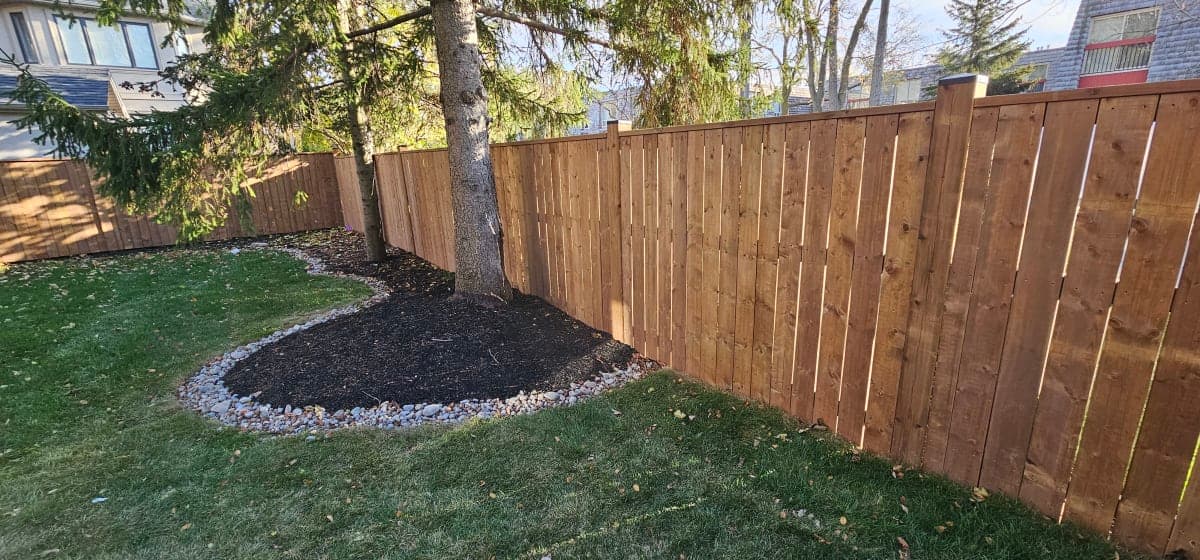
Start With the Right Wood and Fasteners
Picking the wrong lumber or fasteners for your fence is a common mistake that leads to disaster. I’ve seen it happen more times than I can count — a nice fence goes up in spring, but by fall parts of it are rotting or falling apart because the materials weren’t up for the job.
Here’s the deal. Your fence has to withstand freeze-thaw cycles and our short but intense construction seasons. That means the wood and fasteners need to be tough and properly treated.
The Good, Better, Best of Lumber Choices
- Good: Untreated Pine or Spruce
- Easy to find and cheap.
- Not suited for ground contact or long-term outdoor use.
- Will rot in a few years if exposed to moisture regularly.
- Better: Pressure-Treated Lumber
- Treated to resist rot and insects.
- Most common choice for fence posts and rails.
- Sometimes the chemical treatment doesn’t penetrate well, so check for green or brown tint and quality markings.
- Best: Cedar or Western Red Cedar
- Naturally resistant to rot, insects, and warping.
- Lasts much longer without chemical treatment.
- More expensive but worth it for durability and lower maintenance costs.
Picking the Right Fasteners
Don’t go cheap on nails or screws. The wrong fasteners will rust and fail quickly.
- Good: Galvanized Nails
- Better than plain nails.
- May rust eventually, especially at cut ends.
- Better: Hot-Dipped Galvanized Screws
- Thicker protective coating.
- Screws hold better than nails, less loosening.
- Best: Stainless Steel Screws
- Holds up to our freeze-thaw cycles and moisture without rusting.
- Costly but a long-term investment.
The "Don't Do This" List
- Don’t use untreated lumber for fence posts or parts in contact with the ground.
- Don’t mix untreated wood with treated wood; it leads to uneven wear.
- Avoid plain steel nails or screws outside.
- Don’t skip utility locates. Call Before You Dig every time.
- Don’t ignore your local municipal permits—permits are about more than paperwork.
Keep These Construction Tips in Mind
- Measure roughly 6 feet spacing between posts, but adjust for terrain.
- Set posts at least 2 feet deep to handle frost heave.
- Use concrete or gravel at the base for drainage.
- Cut lumber where possible to avoid splitting, and seal cut ends with exterior wood sealer.
What really sinks a fence job is cheap materials combined with rushing through prep work. Invest time and care in picking the right wood and fasteners, and you’ll avoid headaches down the road. Your fence should stand up to our weather, not just stand around looking good for a season.
Stay practical, stay dry, and build right the first time.