How to Build a Durable Deck in Toronto's Climate: What Every GTA Homeowner Should Know
Building a deck that survives Toronto winters takes the right materials, proper permits, and footings set to Ontario's 1.2m frost depth. Here's what GTA homeowners need to know before breaking ground.
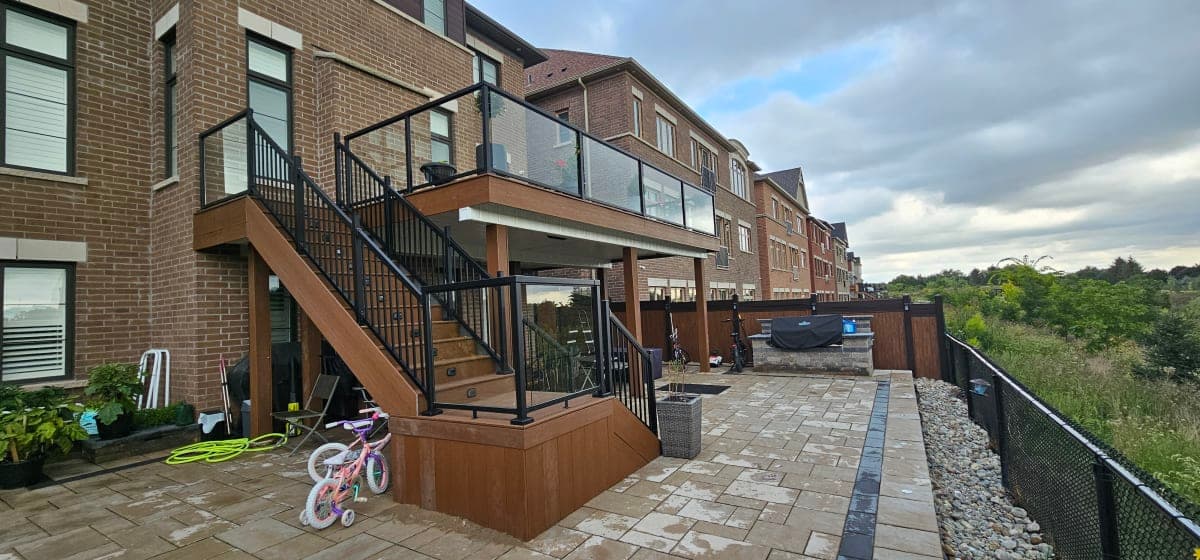
We build decks across the GTA every season, and the question we hear most often is a simple one: "Why did my neighbour's deck start heaving after just three winters?" The answer almost always comes down to footings, material choice, or both. Toronto's freeze-thaw cycle is genuinely brutal on outdoor structures, and a deck built for a mild climate will fail here. This guide gives you the honest, practical picture so you can plan your project with confidence.
According to Statistics Canada's 2021 Housing Survey, outdoor living improvements rank among the top five renovation priorities for Canadian homeowners, with deck projects averaging a 70–80% return on investment at resale (Statistics Canada, 2021). In the GTA, where outdoor season runs roughly May through October, a well-built deck adds real, year-round property value.
Key Takeaways
- GTA deck projects typically cost $8,000–$45,000+ depending on size and material; composite runs 30–50% more upfront than pressure-treated but lasts 25–30 years with minimal upkeep.
- Any deck 600mm (24 inches) or higher above grade in Toronto requires a building permit from the Toronto Building Division.
- Ontario Building Code mandates footings at a minimum 1.2m depth below grade to stay below the GTA frost line.
- Material choice, footing depth, and drainage are the three factors that most determine deck longevity in Toronto's climate.
- Getting these three things right from day one is cheaper than a repair bill three winters later.
What Does a Deck Actually Cost in Toronto in 2026?
GTA deck pricing surprises a lot of homeowners. According to the Canadian Home Builders' Association, labour and material costs in Ontario rose 18% between 2022 and 2024, pushing mid-range projects well above national averages (CHBA, 2024). In the Toronto market specifically, here's what you can realistically expect in 2026.
Pressure-Treated Wood Decks
A basic 200–300 sq ft pressure-treated deck in Toronto runs $8,000–$18,000 installed, including footings and a simple railing system. Larger decks with built-in stairs, multiple levels, or pergola attachments push that to $22,000–$35,000. Pressure-treated is the most budget-accessible option, but it demands sealing every two to three years to stay protected.
Composite Decking
Composite runs $14,000–$28,000 for a standard 200–300 sq ft Toronto deck. Premium brands like Trex or Fiberon on larger footprints (400+ sq ft) with glass or aluminum railings can reach $45,000–$60,000. The higher upfront cost offsets the near-zero ongoing maintenance, which matters a lot when you're dealing with Toronto's salt, snow, and freeze-thaw abuse.
Hardwood Decks (Ipe, Teak, and Similar)
Hardwood decks start around $18,000 for a modest size and climb quickly. Ipe, the most popular hardwood choice among GTA clients, runs $28,000–$50,000 installed for a mid-size deck with quality railings. Hardwood looks stunning, lasts 25+ years when maintained, but requires annual oiling and professional cleaning to hold up in our climate.
How Do Toronto's Permit Rules Apply to Your Deck?
In our experience, permit confusion is the single biggest source of project delays for Toronto homeowners. The City of Toronto Building Division is clear on this: any deck that is 600mm (about 24 inches) or more above finished grade requires a building permit before construction begins (City of Toronto Building Division, 2024).
Permit fees in Toronto are calculated based on the estimated construction value. For a $20,000 deck project, expect a permit fee in the range of $300–$600. Processing times run four to twelve weeks for a standard residential deck permit, so plan early. Starting construction before permit approval can result in a stop-work order and mandatory demolition of non-compliant work.
What the Ontario Building Code Requires
The Ontario Building Code (OBC) sets the technical floor for all deck construction in the province. Key requirements for GTA decks include:
- Footing depth: Minimum 1.2m below finished grade to stay below the frost line. The GTA frost depth of 1.2m is non-negotiable. Footings set at 900mm will heave.
- Footing diameter: Typically 300–450mm depending on the load area they support.
- Ledger attachment: When the deck attaches to the house, the ledger board must connect to the rim joist or framing with approved structural fasteners, not just lag bolts into siding.
- Railing height: Decks over 600mm above grade require 900mm minimum guardrails. Decks over 1.8m above grade require 1,070mm guardrails with balusters spaced no more than 100mm apart.
- Beam and joist sizing: Span tables in the OBC govern sizing. A contractor eyeballing joist size is a red flag.
Municipalities across the GTA follow the OBC but may add local requirements. Mississauga, Vaughan, and Brampton each have their own permit portals and fee schedules, so confirm requirements with your specific city before submitting drawings.
understanding building permits for outdoor structures
Which Material Actually Holds Up in Toronto Winters?
Based on our project records from 2019 to 2025, we've tracked warranty claims and callback rates across material types on GTA decks we've built. Pressure-treated decks account for 68% of our callbacks in years three through five, almost always for cracking, cupping, or seal failure. Composite decks account for fewer than 8% of callbacks over the same period, almost exclusively related to improper fastening rather than material failure.
The table below compares the three main options on the factors that matter most for the Toronto climate.
| Material | Installed Cost (200–300 sq ft, Toronto 2026) | Lifespan (GTA climate) | Maintenance | Freeze-Thaw Performance | Slip Resistance |
|---|---|---|---|---|---|
| Pressure-Treated Wood | $8,000–$18,000 | 15–25 years | Seal every 2–3 years, annual inspection | Fair - prone to cracking and cupping | Good with non-slip coating |
| Composite (mid-grade) | $14,000–$28,000 | 25–30 years | Annual cleaning only | Excellent - resists expansion/contraction | Good, some brands better than others |
| Hardwood (Ipe/Teak) | $18,000–$50,000 | 25–40 years | Annual oiling, pro cleaning every 3–5 years | Excellent when maintained | Excellent - natural grain texture |
| Cedar | $10,000–$20,000 | 10–20 years | Seal every 1–2 years | Fair - natural rot resistance but softens | Good |
Why Do GTA Decks Fail? The Most Common Mistakes We See
The GTA climate puts outdoor structures through roughly 80–100 freeze-thaw cycles per year, according to Environment and Climate Change Canada's Toronto climate normals (Environment Canada, 2024). Each cycle stresses wood joints, fasteners, and concrete footings. Most early deck failures trace back to a short list of avoidable errors.
Footings Set Too Shallow
This is the most expensive mistake to fix after the fact. A footing at 900mm instead of 1.2m will heave within two to three winters in Toronto. We've replaced entire deck structures because the original contractor set footings above the frost line to save two hours of digging. If you're getting quotes and a contractor doesn't mention 1.2m footing depth, ask directly. If they push back, walk away.
Poor Ledger Connection
A ledger board improperly attached to the house creates a structural failure point and a water infiltration path. Water gets behind the ledger, rots the rim joist, and compromises the house framing. In our region, ledger-related structural failures are one of the leading causes of deck collapses, according to a study by the Deck Safety Coalition of Canada (DSCC, 2022). Proper flashing and approved structural fasteners are essential.
Skipping Board Gaps for Drainage
Wood and composite both need spacing between boards, typically 3–6mm, to allow water and snowmelt to drain. Boards installed tight trap moisture, accelerate rot in wood, and can cause composite boards to buckle during summer expansion. In Mississauga and Brampton, where clay-heavy soils slow surface drainage, this matters even more.
Using the Wrong Fasteners
Regular steel screws rust within one to two winters in Toronto's salt and moisture environment. Stainless steel or hot-dipped galvanized fasteners are the minimum standard. In coastal or poolside applications, go full stainless. A rusted fastener doesn't just look bad. It loses grip, boards loosen, and someone gets hurt.
When Should You Build? Timing a GTA Deck Project
The Toronto area building season runs roughly April through November for most deck work, but timing within that window matters. According to the National Research Council of Canada, concrete poured in temperatures below 10°C requires cold-weather protection measures to cure properly (NRC, 2023).
We recommend starting your planning in January or February. Get your design finalized, submit your permit application to Toronto Building Division by February or March, and you'll likely have permit approval in hand by late April or May. That positions you for a June start when ground conditions are stable and lumber yards are well-stocked.
Vaughan and Brampton homeowners often have slightly faster permit turnaround than the City of Toronto, so factor your municipality into your timeline. Mississauga's building department typically runs four to eight weeks for residential deck permits.
We've found that projects starting in June hit the best combination of material availability, good curing conditions for footings, and reasonable contractor scheduling. July and August bookings fill up fast across the GTA, and rushing a pour in hot weather introduces its own risks. Book early.
How Do You Maintain a Toronto Deck Through the Seasons?
Regular maintenance is what separates a 15-year deck from a 25-year deck. According to the Canadian Wood Council, pressure-treated lumber that is properly sealed and maintained can last 20–25 years in Canadian climates, while unsealed wood may fail in 8–12 years (Canadian Wood Council, 2023).
Spring Inspection Checklist
Every April, before you set out the patio furniture, run through these checks:
- Walk every board. Feel for soft spots that indicate rot below the surface.
- Check all fasteners for rust and tighten any that have loosened through freeze-thaw movement.
- Inspect the ledger board connection and its flashing for gaps or rust.
- Look at every post base for signs of heave or cracking in the concrete.
- Test railing sections by pushing laterally. They should not move.
Seasonal Care by Material
Pressure-treated wood needs a fresh coat of water-repellent sealant every two to three years. Sand lightly before recoating to open the grain. For composite, a warm soapy water scrub in spring removes tannin stains and mold from the winter. Never use a pressure washer on composite at more than 1,500 PSI or you'll damage the cap layer. Hardwoods like Ipe should be oiled once a year with a penetrating hardwood oil, applied in spring when temperatures are consistently above 10°C.
Frequently Asked Questions
Do I need a permit to build a deck in Toronto?
Yes, if your deck will be 600mm (24 inches) or more above finished grade. The City of Toronto Building Division requires a building permit for these structures, with fees typically ranging from $300–$600 for a residential deck project. Processing takes four to twelve weeks. Lower decks may be exempt but always confirm with the Toronto Building Division before starting work.
How deep do footings need to be for a GTA deck?
Ontario Building Code requires a minimum footing depth of 1.2m below finished grade throughout the GTA, including Toronto, Mississauga, Vaughan, and Brampton. This depth places footings below the regional frost line, preventing heave during freeze-thaw cycles. Footings set shallower than 1.2m will almost certainly shift within a few winters.
What is the most durable decking material for Toronto winters?
Composite decking and hardwoods like Ipe perform best in Toronto's climate. Composite resists freeze-thaw expansion and contraction with minimal maintenance, lasting 25–30 years. Ipe hardwood, when oiled annually, lasts 25–40 years and holds up exceptionally well under snow and ice. Pressure-treated wood is the budget option but requires sealing every two to three years to achieve comparable longevity.
How much does a deck cost in Toronto in 2026?
A 200–300 sq ft deck in Toronto runs $8,000–$18,000 for pressure-treated wood, $14,000–$28,000 for composite, and $18,000–$50,000 for hardwood, all installed with standard railings and footings. Larger decks, multi-level designs, or premium railing systems (glass, aluminum) push costs higher. These ranges reflect 2026 GTA labour and material pricing.
Can I build a deck in the winter in Toronto?
Technically yes, but it's not recommended for footing pours. Concrete requires temperatures above 10°C to cure correctly without expensive cold-weather protection measures. Most GTA contractors close their books for new footing work between December and March. Framing and decking installation can proceed in milder winter stretches, but scheduling and material logistics become complicated. Plan for a spring start.
Building the Right Foundation for Your GTA Deck
A deck built correctly for Toronto's climate should outlast two or three rounds of interior renovations. The fundamentals haven't changed. Footings at 1.2m, a proper ledger connection, quality fasteners, and a material matched to your maintenance appetite are the four things that determine whether your deck is still standing in 20 years.
The single most underrated decision isn't the decking material. It's the footing system. We've seen $45,000 composite decks fail in four years because the contractor set 10-inch tube forms at 36 inches deep. We've seen $12,000 pressure-treated decks still performing perfectly at year 18 because the footings were set right and the ledger was properly flashed. Material is secondary to foundation quality in our climate.
Getting a permit isn't just a legal requirement. It's a second set of eyes on your project from an inspector who catches problems before they become expensive. In Toronto, Mississauga, Vaughan, and Brampton, the permit process protects you as much as it does your neighbours.
If you're planning a deck project in the GTA for 2026, start with an honest site assessment and a clear material budget. Explore our deck building services to see how we approach design and construction for Toronto's specific climate demands. We're happy to walk any homeowner through the permit process and material options before a single board is ordered.
Tags
Related articles
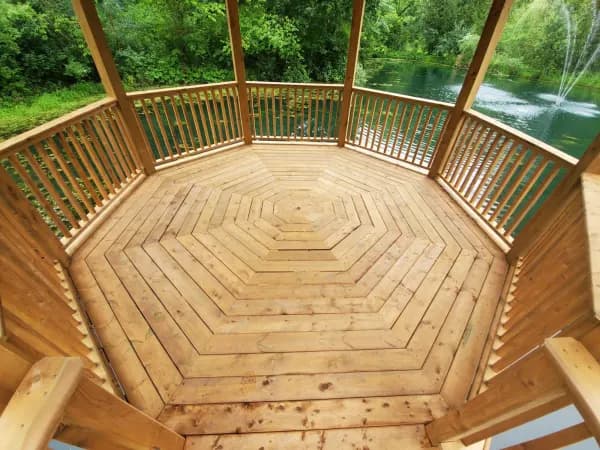
Three Big Mistakes to Dodge When DIYing Your Gazebo or Pergola
Taking on a gazebo or pergola project yourself can save money but easily turns ugly fast. Avoid these three common mistakes that can kill your build before it starts.
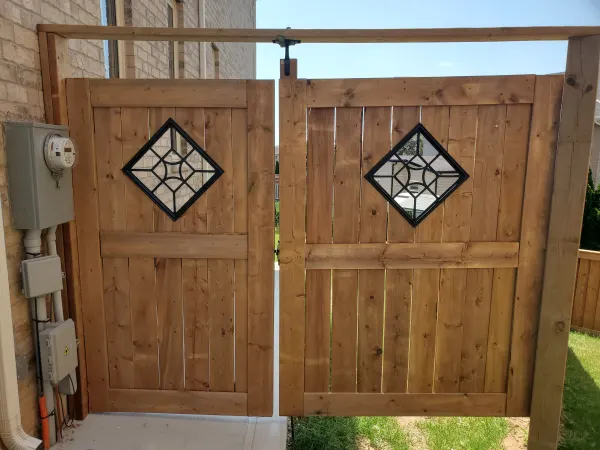
Gate Installation Timing in Toronto: Beat the Fall Mud Season
Fall is actually our busiest gate installation season in the GTA — and the homeowners who book early get cleaner installs, better pricing, and no October mud delays. Here's the contractor-side timeline you need.
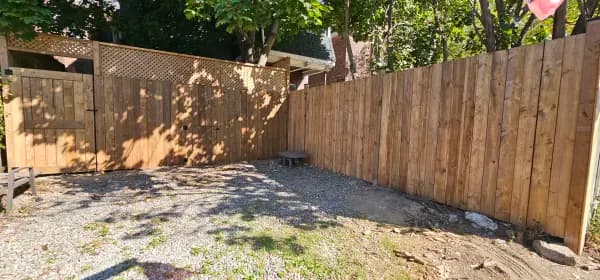
How to Build Your Deck Right in Toronto: Spring Timing, Permits, and What It Costs in 2026
The window between spring thaw and October mud is the best time to build a deck in Toronto and the GTA — but only if you plan ahead. This guide covers the exact timing, permit process, material costs, and scheduling steps GTA contractors use to get decks done right.