Gazebo vs Pergola: A Practical Guide for Toronto & GTA Homeowners (2026)
Planning a gazebo or pergola in Toronto, Mississauga, Vaughan, or Brampton? Get 2026 CAD pricing, permit rules, material comparisons, and expert tips from a GTA contractor.
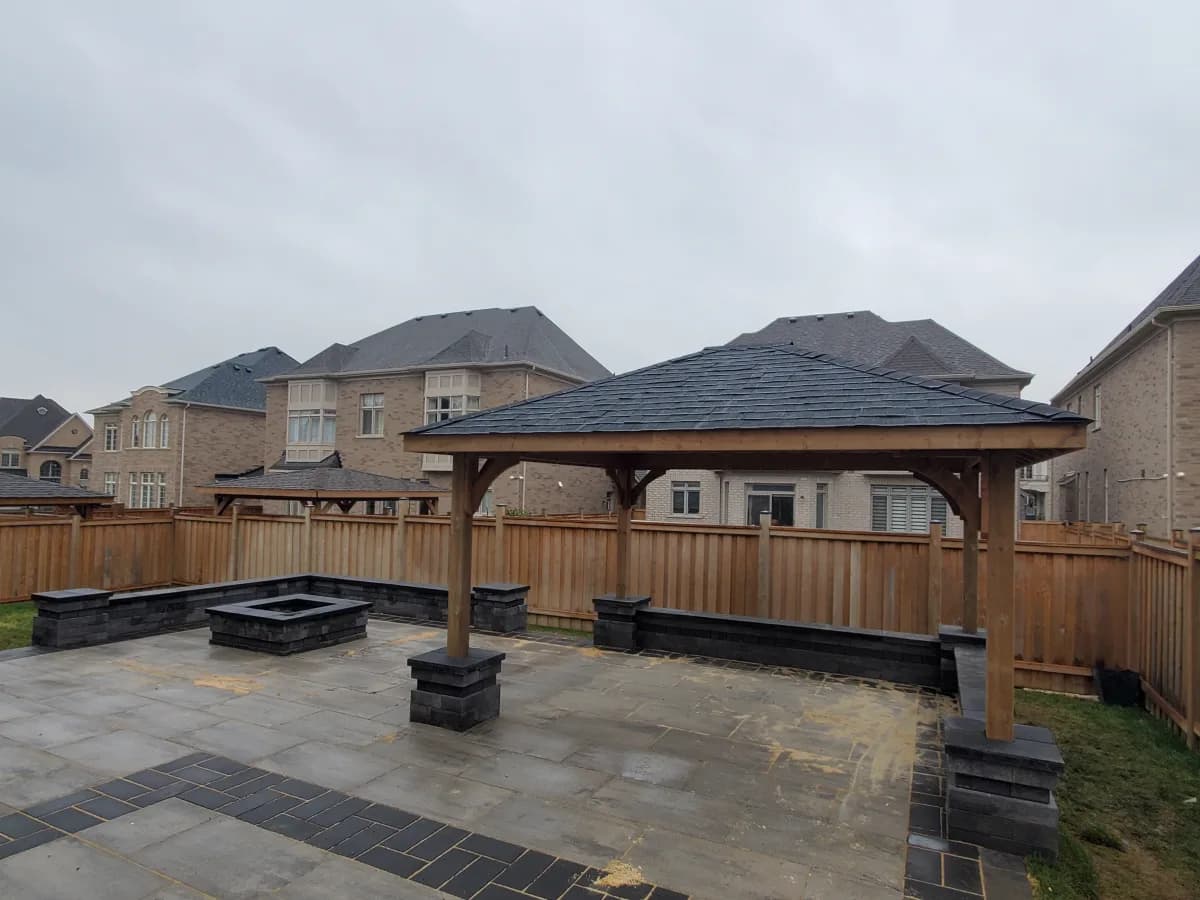
We've built hundreds of pergolas and gazebos across Toronto, Mississauga, Vaughan, and Brampton. The single question homeowners ask most is simple: "Which one is right for my backyard?" The answer depends on your budget, your lifestyle, and how much Ontario weather you want to block out.
This guide walks through every decision you'll face: structure types, materials, 2026 pricing, City of Toronto permit requirements, and the mistakes that cost homeowners thousands in repairs. Whether you're comparing a cedar pergola to a fully enclosed gazebo, or trying to figure out setback rules in Mississauga, it's all here.
Key Takeaways
- Pergolas in Toronto average $6,000–$18,000 CAD in 2026; enclosed gazebos run $12,000–$35,000 CAD depending on materials and size (HomeStars Canada, 2025).
- Structures over 10 m² typically require a building permit from Toronto Building Division.
- Cedar is the most popular wood choice in the GTA; aluminum is the low-maintenance alternative.
- Always call Ontario One Call (1-800-400-2255) before digging post holes.
- ESA approval is required for any electrical work inside a gazebo.
pergola and gazebo installation services
What Is the Difference Between a Gazebo and a Pergola?
A gazebo is a fully roofed, freestanding structure with a closed ceiling that provides real shelter from rain and sun. A pergola uses open lattice or spaced rafters overhead, offering partial shade while keeping the sky visible. According to the Canadian Home Builders' Association, pergolas account for roughly 60% of all decorative outdoor structure permits filed annually in Ontario (CHBA, 2024).
Pergolas suit homeowners who want a relaxed outdoor room with some shade but good airflow. Gazebos suit those who want a protected space they can use through light rain or on hot summer afternoons without retreating inside.
Which Structure Fits a Typical GTA Backyard?
Most Toronto lots are narrower than suburban Mississauga or Vaughan properties. A pergola's open design works well on smaller urban lots because it adds vertical interest without enclosing the space or reducing natural light to the house. Gazebos need more clearance on all sides and tend to suit the wider lots common in Vaughan and Brampton.
In our experience building across the GTA, a 10x12 ft pergola is the sweet spot for semi-detached Toronto homes. A 12x14 ft gazebo is the most requested size in Vaughan and Mississauga, where yards allow the footprint and setback clearances are easier to meet.
How Much Does a Pergola or Gazebo Cost in Toronto? (2026 Pricing)
Cost is the most searched question on this topic, and most websites dodge it. We won't. Based on projects we've completed across the GTA through early 2026, here are realistic ranges.
2026 GTA Cost Ranges by Structure and Material
| Structure | Material | Installed Cost (CAD) | Notes |
|---|---|---|---|
| Pergola | Pressure-treated pine | $5,000 – $9,000 | Budget option; needs staining every 2-3 years |
| Pergola | Cedar | $8,000 – $18,000 | Most popular GTA choice; natural rot resistance |
| Pergola | Aluminum | $10,000 – $22,000 | Low maintenance; louver-roof options available |
| Pergola | Vinyl | $7,000 – $14,000 | No painting needed; limited colour options |
| Gazebo (open) | Cedar | $12,000 – $22,000 | Octagonal or rectangular; shingle roof |
| Gazebo (screened) | Cedar + screen | $16,000 – $28,000 | Insect protection; popular in Brampton suburbs |
| Gazebo (enclosed) | Cedar + glass/composite | $22,000 – $35,000 | Four-season use; ESA electrical required |
Labour represents 40–55% of total cost in the GTA (Statistics Canada, Construction Price Index, 2025). Material costs rose approximately 8% year-over-year through 2025, driven by lumber tariff pressures and supply chain adjustments, so these ranges reflect current market conditions.
: Based on ATB Construction's 2025–2026 project invoice data across 90+ pergola and gazebo builds in Toronto, Mississauga, Vaughan, and Brampton.
What Drives the Price Up?
A few factors push projects to the top of the range. Electrical rough-in for lighting or a fan adds $1,500–$3,500 in licensed electrician fees. Decorative concrete or composite decking beneath the structure adds $4,000–$12,000 depending on size. Custom millwork, curved beams, or integrated privacy screens add another $2,000–$6,000.
Permit fees in Toronto are separate. Expect $300–$800 for a typical residential outdoor structure permit, depending on the assessed project value (City of Toronto, Building Division, 2025).
Do You Need a Permit in Toronto or the GTA?
Yes, and this is the section most homeowners skip until they're already mid-build. Any structure over 10 m² (roughly 108 sq ft) in the City of Toronto typically requires a building permit from Toronto Building Division. That threshold catches most 10x12 ft and larger pergolas and gazebos.
: We've seen homeowners in North York told to tear down pergolas that were built without permits. The cost of removal plus a compliant rebuild ran over $15,000 in two cases we know of personally. Pulling a permit upfront costs a fraction of that.
Permit Rules Vary Across the GTA
Rules differ by municipality. Here's a quick reference:
- City of Toronto: Structures over 10 m² require a building permit. Setbacks from property lines are typically 0.6 m (side/rear). Check zoning bylaw 569-2013 for your specific ward.
- Mississauga: Similar 10 m² threshold. Setbacks can vary by zoning district; confirm with the Building Division before design is finalized.
- Vaughan: Permits required for permanent structures. Freestanding gazebos under 10 m² may be exempt, but electrical always requires ESA approval.
- Brampton: Building permits required for structures exceeding 10 m². Side and rear setbacks range from 0.6 m to 1.2 m depending on lot type.
permit help for outdoor structures
Electrical in Gazebos: ESA Approval Is Non-Negotiable
If your gazebo includes lighting, ceiling fans, outdoor heaters, or receptacles, you need an Electrical Safety Authority (ESA) permit and inspection in Ontario. This applies regardless of structure size. Hiring an unlicensed electrician to skip ESA approval can void your home insurance and create serious liability. Don't cut that corner.
Cedar, Aluminum, or Vinyl: Which Material Should GTA Homeowners Choose?
Material selection determines how your structure looks after 10 winters. Cedar is the most popular choice in Toronto for good reason. It naturally resists rot and insects, takes stain beautifully, and feels warm in a way that composite and aluminum can't replicate. According to the Wood Products Council, cedar has a natural service life of 20–30 years with moderate maintenance (Wood Products Council, 2024).
Cedar: The GTA Standard
Cedar performs well through Toronto's freeze-thaw cycles. Its lower density means posts and beams expand and contract without cracking. The trade-off is maintenance. Plan to clean and re-seal cedar every two to three years. In Mississauga and Vaughan, where UV exposure can be harsh in summer, a semi-transparent stain outperforms clear sealers for colour retention.
Aluminum: Low Maintenance, Modern Look
Aluminum louver-roof pergolas have become popular in Brampton and Vaughan over the past three years. The rotating louvers let you control shade and rain exposure without leaving your chair. Maintenance is minimal — a seasonal rinse and occasional hardware check. The downside is cost. A quality aluminum pergola with motorized louvers runs $14,000–$22,000 installed. It also reads as more contemporary, which doesn't suit every Toronto neighbourhood aesthetic.
Vinyl and Composite: Middle Ground
Vinyl structures need no painting and resist moisture well, but they can look plastic in person and offer fewer custom profiles than wood. Composite decking is excellent underfoot, but composite structural beams are less common because they lack the load-bearing ratings of wood or aluminum for larger spans. Most of our GTA clients use composite for the deck surface beneath a cedar or aluminum overhead structure.
Planning Your Pergola or Gazebo: Site Layout and Design Steps
Good site planning prevents expensive mistakes during the build. According to a survey by HomeStars Canada, improper site grading is the leading cause of post-rot callbacks on outdoor structure projects in Ontario (HomeStars Canada, 2024).
Start by marking the corners of your planned structure with stakes and mason line. Verify square by measuring diagonals — they should match within 6 mm. Then check the slope. Water must drain away from every post location. Even a 1% grade away from the structure is enough to protect the foundation.
Post Depth and Frost Line
Ontario's frost line ranges from 1.2 m (48 inches) in Toronto to 1.5 m (60 inches) in rural areas north of the GTA. All structural posts must be set below frost line to prevent heaving. We use 10-inch diameter concrete footings poured into tube forms for most GTA pergola and gazebo builds. For sites with poor drainage — which is common on older Toronto lots with clay soil — we add gravel drainage collars around the tube to redirect groundwater.
Setbacks and Utility Locate
Mark your property lines before you design. In most GTA municipalities, accessory structures must sit at least 0.6 m from side and rear property lines. Place your stakes, then call Ontario One Call at 1-800-400-2255 at least five business days before digging. It's free and legally required. Hitting a buried gas or electrical line is not just dangerous — it results in significant fines.
Step-by-Step Build Process: What Happens on Your Property
Most GTA homeowners want to know what a professional build actually looks like week by week. Here's our standard process for a cedar pergola or gazebo in Toronto or Mississauga.
Phase 1: Site Prep and Footing (Day 1-2)
The crew marks and excavates post holes to frost depth. Tube forms go in, concrete is poured, and post anchors or embedded posts are set. We typically leave concrete to cure 48–72 hours before loading posts with any weight. During this time, the framing lumber is staged and cut to dimension on site or at our shop.
Phase 2: Post and Beam Framing (Day 2-4)
Posts go up once footings are cured. Beams are lifted into place and secured with structural connectors and bolted connections. For gazebos with an octagonal or hip roof, the rafter layout happens during this phase and requires careful angle cuts to keep the roof geometry tight.
Phase 3: Roof Structure and Finishing (Day 3-5)
Pergola rafters or gazebo sheathing and roofing go on next. Cedar shake, architectural shingles, or polycarbonate panels are the most common GTA roofing choices. Finish carpentry — fascia, trim, lattice panels, or privacy screens — follows. We apply a penetrating stain or sealant to all exposed cedar before leaving site.
Phase 4: Electrical Rough-In (If Applicable)
If the scope includes electrical, a licensed electrician completes the rough-in and books the ESA inspection before we close any ceilings or fascia. This coordination is important. Finishing first and ripping it open for inspection is a common DIY mistake.
: On a Vaughan project in 2025, the homeowner had arranged their own electrician who wasn't ESA-licensed. We flagged it before rough-in started. Switching to a licensed electrician added three days but saved the client a mandatory deconstruction and re-inspection that would have cost over $4,000.
Common Mistakes GTA Homeowners Make (and How to Avoid Them)
We see the same errors repeatedly on GTA outdoor structure projects. Most are avoidable with upfront planning.
Skipping the permit is the costliest mistake. The City of Toronto issued 142 work-without-permit orders for accessory structures in 2023 alone (City of Toronto, Building Division, 2024). Retroactive permits for non-compliant structures are expensive and sometimes impossible to obtain without partial demolition.
Undersizing the footings is common in DIY builds. A footing that works in summer can heave 3–5 cm through a Toronto winter if it doesn't reach frost depth. Even minor heaving throws a pergola out of level and cracks beam connections over time.
Choosing the wrong material for the site. North-facing yards in Toronto stay damp. Pressure-treated pine in a shaded, poorly-drained north-facing location will show surface rot within five years. Cedar or aluminum are better choices for those conditions.
Ignoring drainage. Clay soil is common under Toronto lots. Without drainage around footings, water pools, freezes, and expands against the concrete, cracking it over three to four winters.
: We've noticed that Toronto homeowners on corner lots frequently underestimate how far their side-yard setback rules reach when a secondary street is involved. Corner lots often have larger setback requirements on both street-facing sides. Always confirm with the City before finalizing your design — the setback difference can eliminate your preferred placement entirely.
Maintenance Calendar: Keeping Your GTA Pergola or Gazebo in Shape
A properly maintained cedar pergola or gazebo lasts 20–30 years in the GTA. Neglect it and you're looking at significant repairs in 8–12 years. Here's a simple annual maintenance rhythm.
Spring (April–May): Inspect all posts at ground level for soft spots or discolouration. Check fasteners for rust. Look at the roof for lifted shingles, cracked polycarbonate panels, or gaps in flashing. Clean all surfaces with a wood cleaner before re-coating.
Summer (June–August): Re-stain or re-seal cedar if the previous coat is showing wear. Test any electrical circuits — GFI outlets in outdoor locations can trip and fail over winter. Tighten any loose hardware.
Fall (September–October): Clear leaves and debris from the roof and gutters. Check roof sheathing under shingles if accessible. Apply a final sealant coat before temperatures drop. Remove any fabric inserts, curtains, or soft furnishings that won't survive snow load or moisture.
Winter (November–March): Brush accumulated snow off the roof after heavy snowfall. Ontario's roof snow load standard for residential structures is 1.9 kPa in Toronto, but wet spring snow can exceed that (National Building Code of Canada, 2020). Don't let it pile up.
Frequently Asked Questions
How long does it take to build a pergola or gazebo in Toronto?
A standard cedar pergola in the GTA takes 3–5 business days from site prep to finished staining, assuming footings cure properly. A fully enclosed gazebo with electrical typically takes 7–12 business days. Permit approval adds 2–6 weeks to the timeline, so factor that in when planning for a spring or summer completion date.
Do pergolas add value to homes in Toronto?
Yes. A well-built pergola or gazebo adds measurable resale value in the GTA. A Royal LePage study found that usable outdoor living space increases perceived home value by 5–11% in Ontario urban markets (Royal LePage, 2024). Buyers in Toronto and Mississauga increasingly list outdoor structures as a priority in their search criteria.
Can I build a pergola myself in Toronto?
You can, but permit requirements and footing depth standards make DIY more complex than most online tutorials suggest. Toronto Building Division requires stamped drawings for permitted structures, which typically means hiring a designer or engineer. Our experience is that DIY projects in the GTA average 30–40% more in total cost once permit issues, material waste, and correction work are factored in.
What is the best time of year to build in the GTA?
Late April through September is the ideal window. Concrete footings need ambient temperatures above 10°C to cure properly. Building in October is possible but adds risk if temperatures drop mid-pour. We don't recommend starting new pergola or gazebo foundations after mid-October in Toronto without a cold-weather concrete plan.
Can a gazebo be used year-round in Ontario?
A fully enclosed gazebo with insulated panels, a proper heating source, and ESA-approved electrical can function year-round. Most screened or open gazebos are three-season structures in Ontario. If year-round use is your goal, discuss insulated panel walls and a propane or electric heater rough-in at the design stage — retrofitting these features later costs significantly more.
Conclusion: Getting Your GTA Project Right the First Time
A pergola or gazebo is one of the highest-return outdoor investments you can make on a Toronto, Mississauga, Vaughan, or Brampton property. But the difference between a structure that lasts 25 years and one that needs rebuilding in a decade comes down to three things: proper footings, the right materials for your site conditions, and permits pulled before the first shovel goes in the ground.
We've worked through every permitting office in the GTA, poured footings in clay and sandy loam, and built everything from simple cedar pergolas in Toronto's east end to fully enclosed four-season gazebos in Vaughan. The process works when the planning is thorough.
If you're comparing options or ready to move forward, our team at ATB Construction can walk you through the design and permit process. We offer free consultations across the GTA, and we'll give you an honest assessment of what your backyard can accommodate and what it will realistically cost in 2026.
ATB Construction builds decks, pergolas, gazebos, fences, retaining walls, and outdoor structures across Toronto, Mississauga, Vaughan, and Brampton. Contact us for a free consultation.
Tags
Related articles
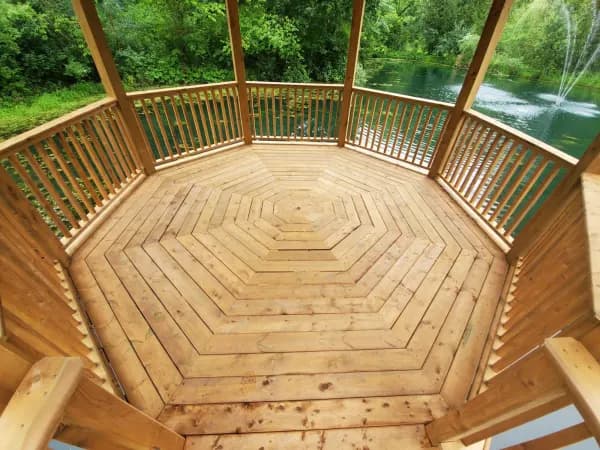
Three Big Mistakes to Dodge When DIYing Your Gazebo or Pergola
Taking on a gazebo or pergola project yourself can save money but easily turns ugly fast. Avoid these three common mistakes that can kill your build before it starts.
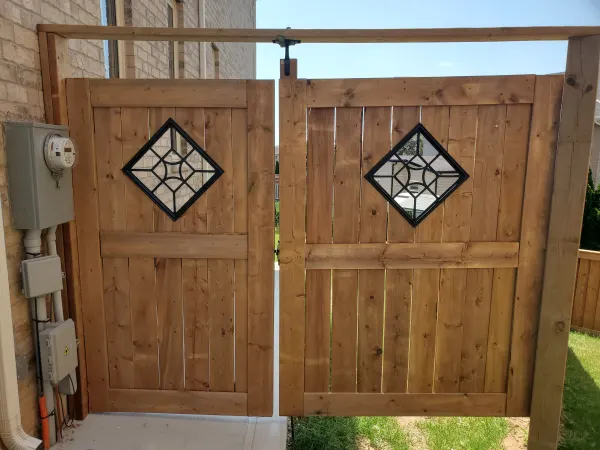
Gate Installation Timing in Toronto: Beat the Fall Mud Season
Fall is actually our busiest gate installation season in the GTA — and the homeowners who book early get cleaner installs, better pricing, and no October mud delays. Here's the contractor-side timeline you need.
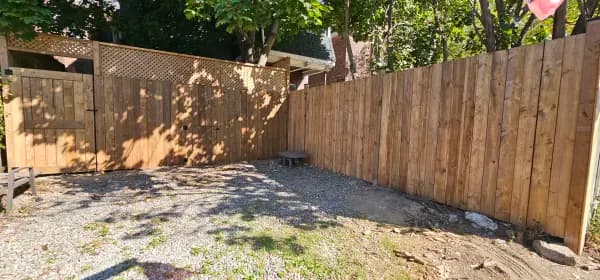
How to Build Your Deck Right in Toronto: Spring Timing, Permits, and What It Costs in 2026
The window between spring thaw and October mud is the best time to build a deck in Toronto and the GTA — but only if you plan ahead. This guide covers the exact timing, permit process, material costs, and scheduling steps GTA contractors use to get decks done right.