Building Retaining Walls Right for Canadian Conditions
Retaining walls are essential for managing slopes and preventing erosion on your property. This guide covers practical tips on choosing materials, planning your build, and avoiding common pitfalls in Canada’s climate.
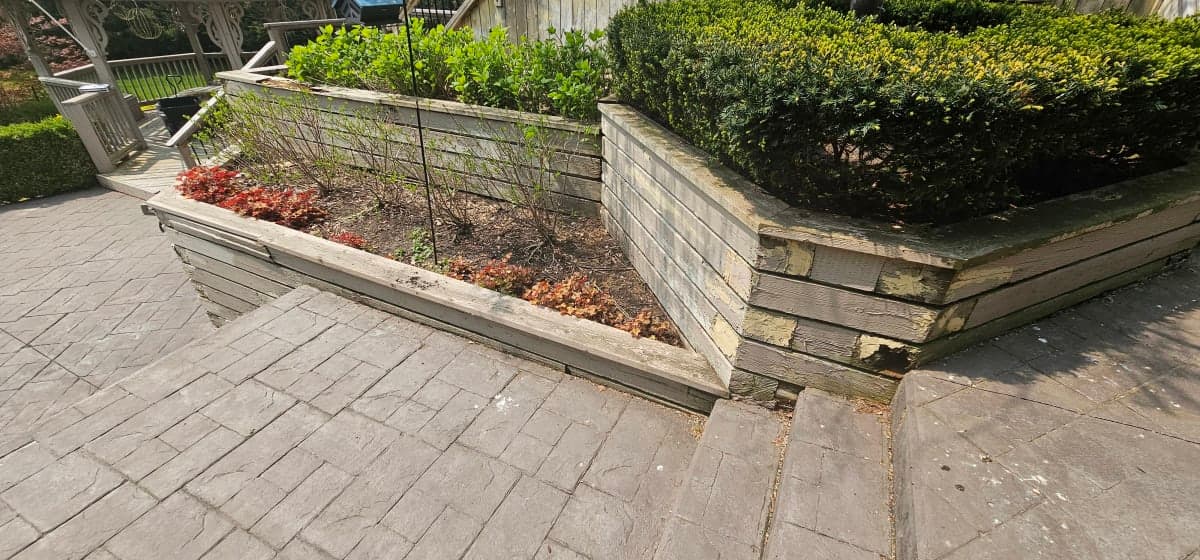
Why Retaining Walls Matter and Who Should Build One
If you have a slope on your property causing soil erosion or water runoff problems, a retaining wall can be an effective solution. They suit homeowners with uneven yards or garden areas needing level planting beds or pathways. A well-built retaining wall holds back soil safely and adds structure to your landscape.
Choosing Materials That Last
In Canadian climates, freeze-thaw cycles and moisture are the biggest enemies of retaining walls. Common materials include:
- Concrete blocks: Durable and designed for drainage but heavier to handle.
- Interlocking stone or brick: Offers good aesthetics and strength; watch for proper drainage behind the wall.
- Pressure-treated wood: Easier to handle but can degrade faster unless well-drained and sealed.
- Natural stone: Very sturdy but costly and labor-intensive.
Each has trade-offs between longevity, appearance, and installation effort. Concrete and stone typical last longer but need proper foundation and drainage.
Material Planning Notes- Avoid wood if your wall will hold back a lot of water or clay-heavy soil.
- Always incorporate drainage systems like gravel backfill or drain pipes to reduce hydrostatic pressure.
- Use frost-resistant materials to withstand freeze-thaw cycles.
Laying Out Your Wall Before You Build
Measure and mark your wall line clearly. Check municipal requirements about permits, especially for walls over a certain height (often around 1 meter). Locate underground utilities before digging. It’s not just a good idea; it’s often required by law.
The Practical Build Sequence
- Excavate the base: Dig below frost line depth for stability.
- Prepare a gravel base: This improves drainage and prevents wall shifting.
- Keep the wall level: Use a level and string line as you build up.
- Backfill with gravel: Not soil, to allow water to drain behind the wall.
- Compact in layers: Avoid settling which leads to cracks or leaning.
- Include drainage pipes: These reduce water pressure behind the wall.
What Most Builders Overlook
- Failing to compact backfill properly, leading to wall failure.
- Skipping drainage elements causing water buildup and frost heaving.
- Not digging deep enough to protect footings from freeze-thaw.
- Overlooking permits or utility locates before starting excavation.
- Selecting wood or non-frost resistant materials for harsh conditions.
Quick Site Check: What to Inspect Before You Dig
- Soil type: Clay soils hold water, require better drainage.
- Slope angle: Steeper slopes need stronger, often terraced walls.
- Existing drainage: Avoid disrupting water flow patterns.
Finish and Maintenance Plan
Retaining walls need inspection, especially after freeze-thaw seasons:
- Check for cracks or leaning regularly.
- Clear drainage pathways.
- Remove vegetation growth that can disrupt the wall.
Always wear protective gear when cutting materials or operating machinery. Be wary of underground utilities and call utility locate services before digging. Heavy materials require proper lifting techniques or equipment.
Building a retaining wall takes careful planning and respect for local conditions. Starting with good materials and a solid drainage plan sets you up for a safe, long-lasting structure.
If you’re ready to improve your landscape with a retaining wall or want expert advice, contact ATB or request a consultation for guidance tailored to your property.
Tags
Related articles
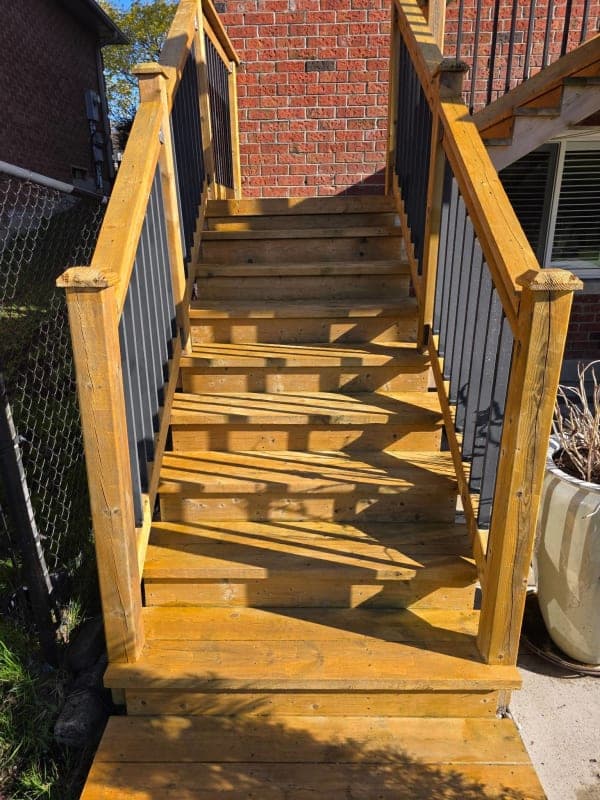
Why Most Builds Fail After Two Winters and How to Stop It
Most builds around here don’t last past two winters. Frost heave and wood rot are the usual suspects. Knowing how to prevent them means your structure will hold up year after year.
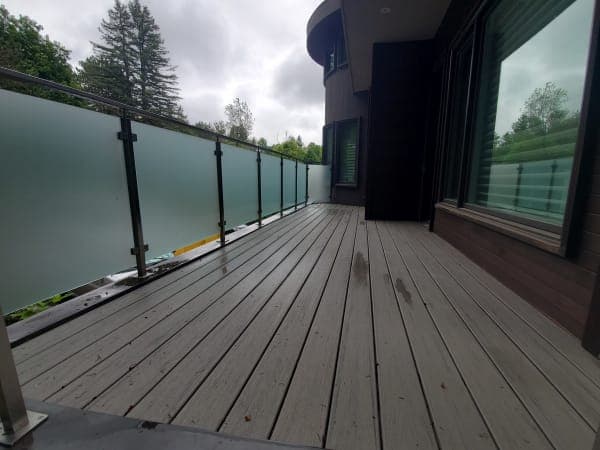
Why Your DIY Porch Might Cost You More Than You Think
Taking on a porch build yourself can go sideways fast. Here’s where most homeowners blow it, based on a job we had to tear out and redo.

Get Your Interior Reno Done Before the Mud Flows
Renovating your interior? Spring is your launchpad. Nail the prep to finish before mud season. Here’s a plain talk on logistics and site prep for a smooth run.