How to Build a Retaining Wall in Toronto Before Mud Season Hits
Spring is the trickiest time to build retaining walls in Toronto — here's why and how to do it right. From permit rules and frost depth to 2026 pricing and material choices, this guide covers everything GTA homeowners need to know.
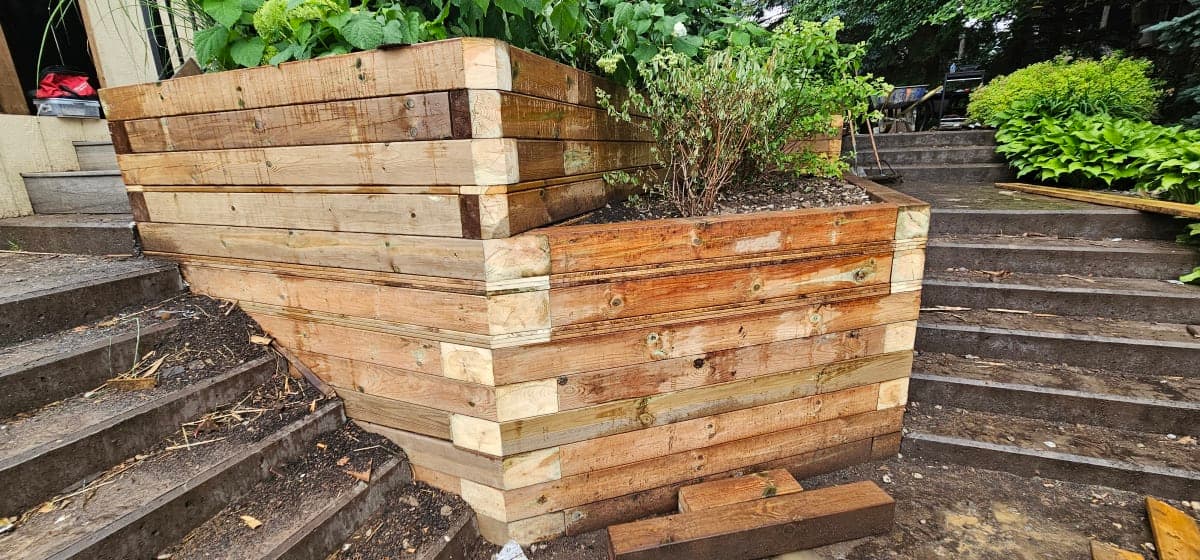
Spring is the trickiest time to build retaining walls in Toronto — here's why and how to do it right.
I've seen it happen every year across the GTA. A homeowner waits through a long winter, gets excited when March temperatures climb above zero, and pushes to start breaking ground immediately. Three weeks later, they're staring at a failed footing, a waterlogged trench, and a wall that's already shifted before the first block is set. Timing a retaining wall project in Toronto isn't just about ambition. It's about understanding frost depth, drainage patterns, permit lead times, and the narrow window between "too frozen" and "too muddy" that defines a successful spring build.
This guide covers everything GTA homeowners in Toronto, Mississauga, Vaughan, and Brampton need to know before scheduling a single excavator.
Key Takeaways
- Toronto requires a building permit for retaining walls over 1.0 metre tall; Ontario Building Code sets minimum frost depth at 1.2 metres
- Professionally installed retaining walls in the GTA range from $150 to $350 per linear foot in 2026, with typical projects costing $4,500 to $18,000
- The safe spring build window in Toronto runs roughly mid-April to late May — after frost exits the ground, before heavy rains saturate it
- Material choice (concrete block, natural stone, timber) directly affects your permit requirements, maintenance costs, and long-term drainage performance
- Starting permit applications in February or March gives you the best chance of breaking ground during the optimal spring window
Why Does Spring Timing Matter So Much for Toronto Retaining Walls?
Toronto's freeze-thaw cycle is one of the most punishing in North America for construction. According to Environment and Climate Change Canada, the Greater Toronto Area experiences an average of 70 to 90 freeze-thaw cycles per year, creating significant ground movement that can buckle an improperly timed footing within a single season. The safe build window is narrow: usually mid-April through late May, after the ground has thawed past the 1.2-metre frost depth required by the Ontario Building Code, and before the late-spring rain events that saturate clay-heavy GTA soils.
Here's what makes spring both the best and worst time to build. It's the best time because homeowners want the wall finished before summer use of their yard. It's the worst time because frozen ground thaws unevenly, drainage conditions change week to week, and every contractor in the GTA is fighting for the same narrow window.
We've found that projects started in the second or third week of April — when overnight lows are consistently above freezing and the top 300 mm of soil has dried out — have the best outcomes. Projects that push to start in late March almost always hit delays. The ground looks firm on top, but it's still frozen and waterlogged below the surface.
In spring 2024, we assessed three residential properties in Mississauga where homeowners had attempted early retaining wall starts. In all three cases, excavated trenches had refilled with water overnight, and one footing had heaved visibly within 72 hours of being poured. All three required full excavation restarts, adding cost and erasing any early-start advantage.
What Are Toronto's Permit Rules for Retaining Walls?
The City of Toronto requires a building permit for any retaining wall taller than 1.0 metre, measured from the bottom of the footing to the top of the finished wall. This rule is set by the Ontario Building Code and enforced by Toronto Building Division, which handles permit applications for all properties within the former City of Toronto boundaries. (City of Toronto Building Division, 2025)
Mississauga, Vaughan, and Brampton each operate under the same Ontario Building Code threshold, but their local permit offices have different processing timelines and inspection schedules. In our experience, Vaughan permits for residential retaining walls average 3 to 5 weeks from application to approval. Mississauga runs closer to 4 to 6 weeks during spring peak season.
What the Ontario Building Code Requires for Footings
The OBC mandates a minimum frost depth of 1.2 metres across most of the Greater Toronto Area. This means your footing must sit at least 1.2 metres below finished grade to avoid frost heave. Walls built with shallow footings — a common shortcut — will shift, lean, and fail within two to three winters.
The code also requires adequate drainage behind the wall. A granular backfill zone (typically 300 mm wide) combined with a perforated drainage pipe at the base of the footing is the standard approach. This isn't optional. Hydrostatic pressure from water-saturated soil is the single most common cause of retaining wall failure in GTA residential projects. (National Research Council Canada, National Building Code, 2020)
When Should You Apply for a Permit?
Apply in February or early March. This is non-negotiable if you want to build in April. Permit processing during spring peak runs long, and you cannot legally begin excavation without an approved permit for walls over 1.0 metre. Missing this window means your "spring build" becomes a late-summer project at best.
How Much Does a Retaining Wall Cost in Toronto in 2026?
Based on projects completed by our crews across Toronto, Mississauga, Vaughan, and Brampton in 2025 and early 2026, professionally installed retaining walls in the GTA range from $150 to $350 per linear foot, depending on material, wall height, site access, and drainage complexity. A typical residential project — a 30-foot wall, 1.2 to 1.5 metres tall — runs between $4,500 and $18,000 all-in, including excavation, drainage, material, and backfill.
These numbers assume professional installation with proper frost-depth footings and drainage. DIY builds done without permits or proper footings often cost less upfront, but frequently require full reconstruction within five years. We've seen homeowners spend $8,000 to $12,000 tearing out and rebuilding walls that originally cost $2,500 to DIY.
What Drives Retaining Wall Cost in the GTA?
Several factors push costs toward the higher end of the range.
Site access is the first variable. Properties in Vaughan and Brampton with wide open lots and easy truck access cost less than narrow urban Toronto lots where materials must be hand-carried through a side gate.
Wall height matters significantly. Every additional 300 mm of wall height adds engineering complexity, footing depth, and structural requirements. Walls over 1.8 metres often require a structural engineer's stamp in Toronto, which adds $1,500 to $3,000 to the project budget. (Ontario Building Code Act, S.O. 1992, 2024)
Drainage complexity is the hidden cost. A site with heavy clay soil, high water table, or existing drainage problems will need more granular fill, longer drain pipe runs, and potentially a sump solution. Budget an additional $500 to $2,000 for challenging drainage conditions.
Material choice has a major impact. The table below compares the most common retaining wall materials used in GTA residential projects.
Which Retaining Wall Material Is Right for Your GTA Property?
Choosing the right material isn't just an aesthetic decision. It affects your permit requirements, long-term maintenance schedule, drainage options, and total project cost. Here's how the four most common GTA retaining wall materials compare.
Retaining Wall Material Comparison
| Material | Cost per Linear Foot (Installed) | Lifespan | Permit Typically Required (>1.0m) | Drainage Compatibility | Best For |
|---|---|---|---|---|---|
| Concrete Segmental Block | $150–$220 | 30–50 years | Yes | Excellent (integral drainage core) | Most residential GTA projects |
| Natural/Armour Stone | $220–$350 | 50+ years | Yes | Good (natural gaps) | Sloped yards, naturalized properties |
| Poured Concrete | $200–$300 | 40–60 years | Yes | Requires weep holes | High-load or commercial applications |
| Pressure-Treated Timber | $100–$180 | 10–20 years | Sometimes (height-dependent) | Moderate (requires drainage mat) | Low walls, garden beds, tight budgets |
Concrete segmental block — brands like Unilock, Cambridge, and Allan Block are commonly available in the GTA — is our most frequently installed material for residential projects in Toronto and Mississauga. It's code-compliant, dimensionally consistent, and allows clean integration of drainage systems. Natural armour stone is popular in Vaughan and Brampton where larger lot sizes suit the bolder aesthetic, but it costs more and requires more precise placement.
Timber walls are the budget option. They work for garden-bed-height applications, but we don't recommend them for structural walls over 600 mm in the GTA climate. The freeze-thaw cycle accelerates timber decay, and even pressure-treated wood degrades faster in Toronto's clay-heavy soils than in drier climates.
What Is the Best Spring Build Timeline for a Toronto Retaining Wall?
A well-managed spring retaining wall project in the GTA follows a predictable sequence. Rushing any phase creates problems that compound through the rest of the build.
February to Early March: Permit and Planning Phase
Get your permit application in now. Commission a site survey if your property has complex grading. Order materials early — spring demand for segmental block and drainage aggregate spikes across the GTA, and some suppliers run 3 to 4 week lead times by mid-April. (Unilock Canada, 2025)
Finalize your contractor selection and get a signed contract with a clear scope. Be skeptical of any contractor who skips the site visit or quotes over the phone without seeing drainage conditions. Retaining walls are site-specific engineering problems, not commodity installs.
Mid-April to Early May: Ground Conditions Assessment
Don't start excavation until overnight lows are consistently above 0°C and the soil at 300 mm depth shows no frost. Use a probe or have your contractor assess before mobilizing equipment. In Toronto, this typically falls between April 15 and May 1, depending on the winter severity.
Call Ontario One Call (1-800-400-2255) for utility locates at least five business days before any excavation. This is a legal requirement across Ontario, not a suggestion.
May: Excavation, Footings, and Drainage
This is the execution window. Excavate to frost depth (1.2 metres minimum in the GTA), pour or compact your footing base, install drainage pipe and granular backfill, and begin wall courses.
Build in sections of 3 to 5 metres where possible. This allows earlier courses to settle and drain before you're adding load from the next section. Don't rush the compaction step on backfill — inadequate compaction is the number-one cause of wall lean in the first two years.
Late May to June: Backfill, Grading, and Finish
Complete backfill with compacted granular material or engineered fill. Grade the finished surface to direct water away from the wall face at a minimum 2% slope. Install any cap stones, steps, or lighting while access equipment is still on site.
Protect your finished wall from foot traffic for at least 72 hours after final backfill. In wet spring conditions, that number extends to five to seven days before heavy landscaping equipment should roll near the wall base.
Spring vs. Fall Build: Which Season Is Better for GTA Retaining Walls?
Most GTA contractors will tell you spring and fall are equally good build seasons for retaining walls. Our experience disagrees with that conventional view. Fall builds in the Toronto area carry a meaningfully higher failure rate for one reason: concrete curing.
Concrete footings require sustained temperatures above 5°C for a minimum of seven days to achieve design strength. In a typical GTA fall, that window closes unpredictably in October. A footing poured on October 10 might hit a frost event by October 18, before it has fully cured. Spring builds face the same risk in reverse but with a more predictable warming trend: temperatures climb through April and May, giving cured concrete the benefit of a full warm season before its first winter stress test.
| Factor | Spring Build (April-May) | Fall Build (September-October) |
|---|---|---|
| Ground Frost Risk | Decreasing (manageable) | Increasing (unpredictable) |
| Concrete Curing Window | Full summer ahead | Narrow, frost risk by October |
| Contractor Availability | Competitive (book early) | Generally better availability |
| Permit Processing Time | 4-6 weeks (peak season) | 2-3 weeks (slower period) |
| Drainage Assessment | Easier (spring water table visible) | Harder (dry conditions mask issues) |
| Overall Risk Level | Moderate (manageable with timing) | Higher (frost cutoff unpredictable) |
If you're choosing between a spring and fall build, spring is our recommendation for Toronto, Mississauga, Vaughan, and Brampton — provided you start the permit process early and don't push excavation before the ground is ready.
Frequently Asked Questions
Do I need a permit for a retaining wall in Toronto?
Yes, in most cases. The City of Toronto requires a building permit for any retaining wall taller than 1.0 metre, measured from the footing base to the top of the wall. This applies across all Toronto wards under the Ontario Building Code. Walls over 1.8 metres in height typically also require drawings stamped by a licensed structural engineer. Mississauga, Vaughan, and Brampton operate under the same provincial threshold but use their own permit offices. Applying in February or March gives you the best chance of approval before the April-May build window opens.
How deep does a retaining wall footing need to be in Ontario?
The Ontario Building Code mandates a minimum frost depth of 1.2 metres across most of the Greater Toronto Area. Your footing must sit at or below this depth to avoid frost heave. Some GTA municipalities with specific micro-climate conditions may specify deeper depths; always confirm with your local building department. Shallow footings are the leading cause of premature retaining wall failure in the GTA, and they're almost never caught during a sale inspection. By the time the wall starts leaning, the original contractor is long gone. (Ontario Building Code, Division B, Part 9, 2024)
How much does a retaining wall cost in Toronto?
Professionally installed retaining walls in Toronto and across the GTA range from $150 to $350 per linear foot in 2026. A typical residential project (25 to 40 linear feet, 1.0 to 1.5 metres tall) runs between $4,500 and $18,000, including excavation, drainage, materials, and backfill compaction. Concrete segmental block sits at the lower-to-mid end of that range. Natural armour stone sits at the upper end. Permit fees in Toronto add $200 to $600 depending on project scope, and a structural engineer's stamp (required for walls over 1.8 metres) adds $1,500 to $3,000. (City of Toronto Fee Schedule, 2025)
Can I build a retaining wall myself in Toronto?
You can build a retaining wall yourself in Toronto for walls under 1.0 metre that don't require a permit — but we'd encourage you to think carefully before going that route on any structural wall. Frost-depth excavation to 1.2 metres requires equipment that most homeowners don't own or know how to operate safely. Drainage installation behind a retaining wall is technical work; getting it wrong means water pressure that destroys the wall from behind, often invisibly until catastrophic failure. For walls under 600 mm holding garden beds, DIY is reasonable. For anything holding back a slope or supporting a driveway, hire a licensed contractor.
What causes retaining walls to fail in the GTA?
Three causes account for the vast majority of GTA retaining wall failures. First, inadequate frost-depth footings that heave during freeze-thaw cycles. Second, poor or absent drainage behind the wall that allows hydrostatic pressure to build up and push the wall face outward. Third, inadequate backfill compaction that allows soil to settle and tilt the wall over time. All three failures are preventable with proper design and installation. All three are also invisible during construction to an untrained eye, which is why permit inspections matter — an inspector catches these problems before the backfill covers them permanently.
The Bottom Line on Spring Retaining Wall Builds in Toronto
Building a retaining wall in Toronto's spring season is very achievable. You need a realistic timeline, an early permit application, and a contractor who understands the GTA's specific frost depth and drainage requirements.
Start your permit application by late February or early March. Don't push excavation before mid-April. Choose your material based on long-term cost and drainage compatibility, not just upfront price. And build the drainage system like your wall's life depends on it — because it does.
A well-built retaining wall in the GTA should hold for 30 to 50 years without major intervention. A poorly built one will be back apart within five, often at greater cost than the original project. The difference is almost always timing, drainage, and footing depth — the three things this guide is built around.
If you're planning a retaining wall project in Toronto, Mississauga, Vaughan, or Brampton this spring, our retaining wall service page outlines our process, typical project timelines, and how we approach permit applications on behalf of our clients.
Tags
Related articles
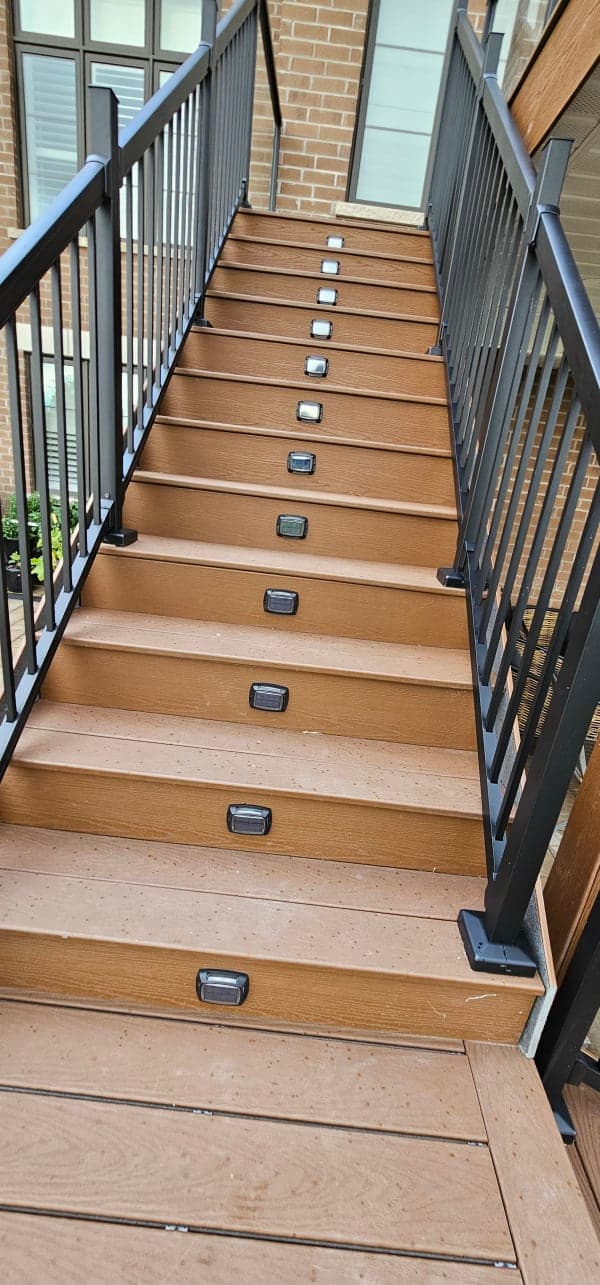
Why Most Outdoor Lighting Goes South After Two Winters and How to Stop It
Get the lowdown on why your outdoor lighting fails after a couple of winters in wet, cold spots. Learn the tricks to prevent frost heave and wood rot so your setup lasts the long haul.
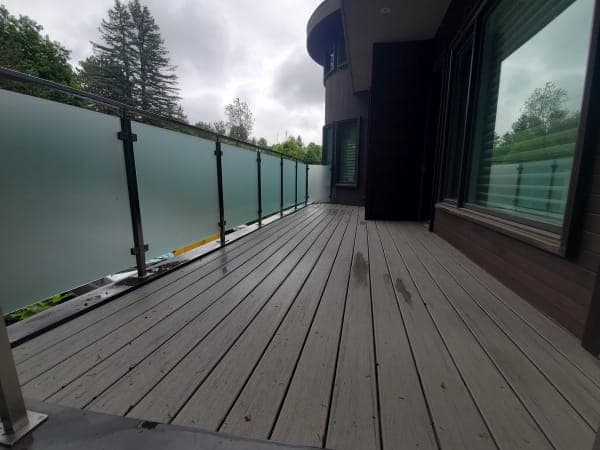
Why Most Porch Builds Fail After Two Winters and How to Stop It
Most porches that fall apart after two winters share the same issues: frost heave and wood rot. Here's what you need to know to build a porch that lasts through Canada's wet, cold seasons.
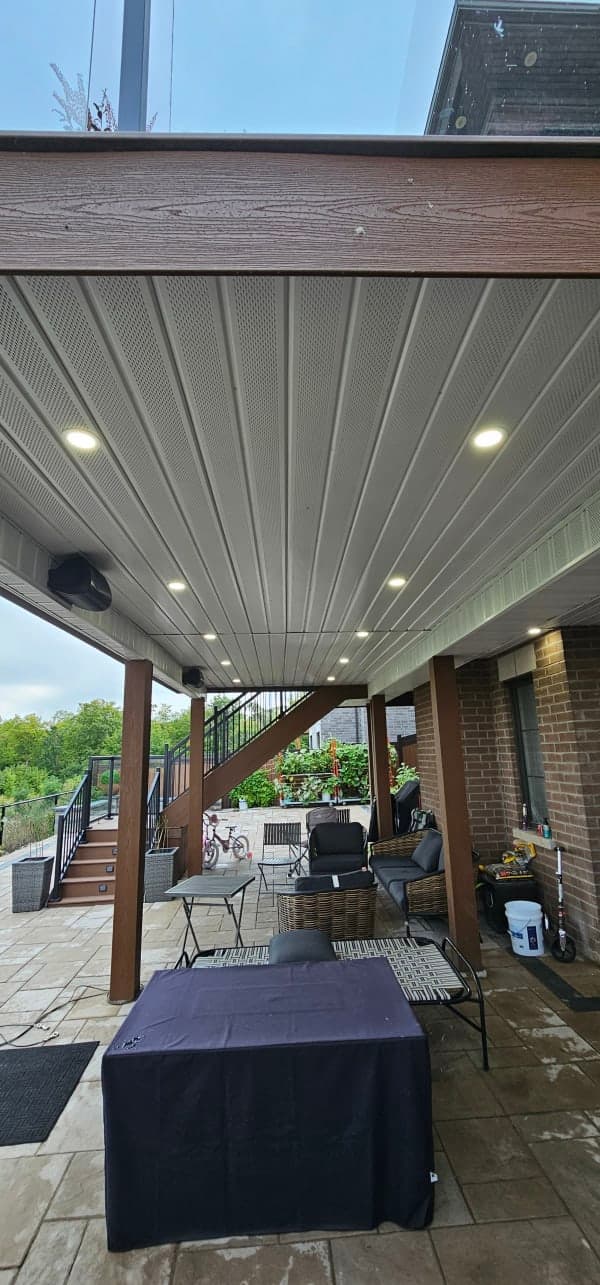
How to Winterize Outdoor Lighting in Toronto & the GTA
GTA winters destroy poorly installed outdoor lighting inside two seasons. This guide covers frost-proof footings, ESA permit requirements, 2026 pricing, and why LED beats every alternative when temperatures drop below -20°C in Toronto, Mississauga, Vaughan, and Brampton.