Why Most Porch Builds Fail After Two Winters and How to Stop It
Most porches that fall apart after two winters share the same issues: frost heave and wood rot. Here's what you need to know to build a porch that lasts through Canada's wet, cold seasons.
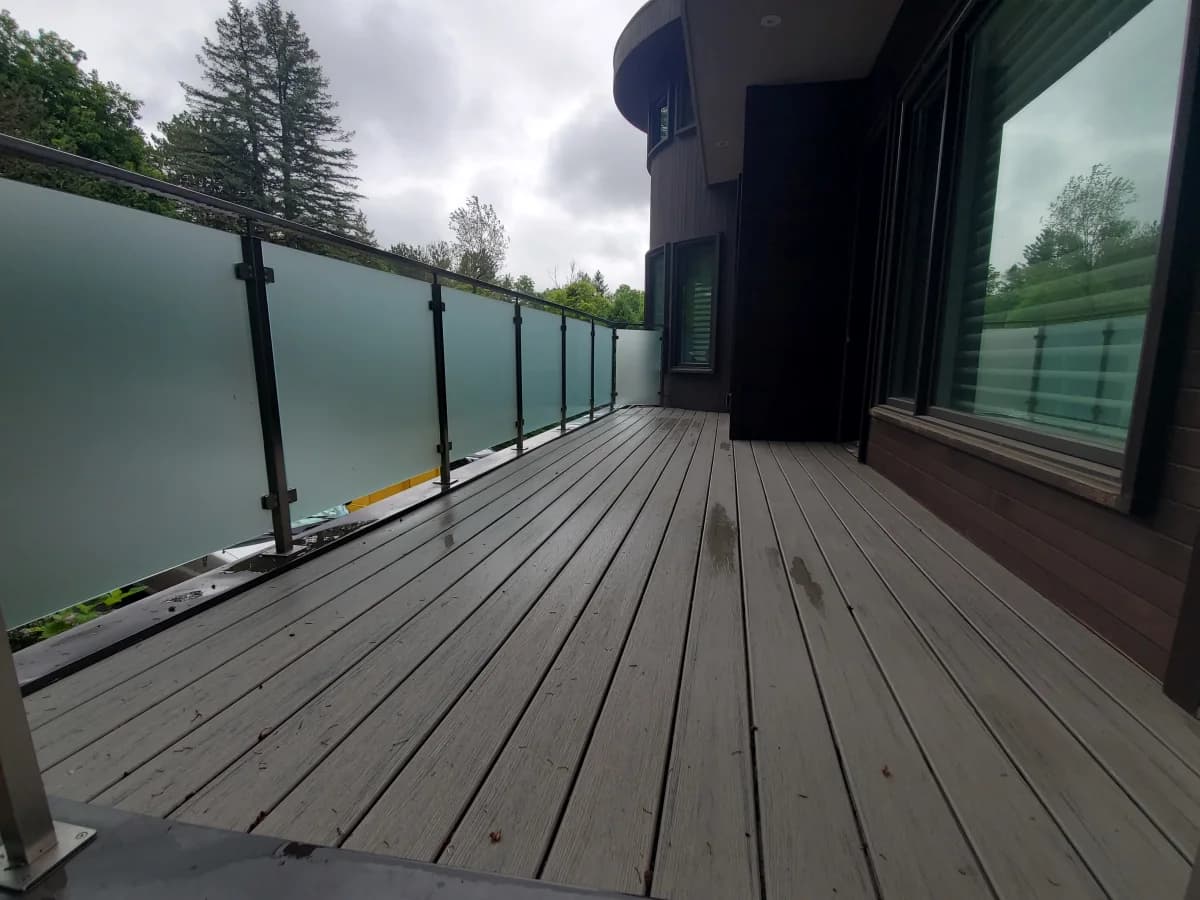
Why Most Porch Builds Fail After Two Winters
You might have seen it before. A seemingly solid porch built in the fall falls apart come spring, after just two harsh winters. The culprit? Frost heave pushing up footings and wood rot eating away at the structure. This happens because many builders don’t properly account for the freeze-thaw cycle and wet conditions common in our short but rough seasons.
Understanding the Enemy: Frost Heave and Wood Rot
Frost heave happens when the ground freezes deeply enough to lift your porch’s footings. When the soil thaws, it settles again. This back-and-forth shifts the porch, cracking concrete and loosening fasteners.
Wood rot doesn’t just come from rain hitting your porch surface. Moisture gets trapped in framing and posts if you don’t have proper drainage and ventilation. Wet wood facing freezing temperatures breaks down faster.
Steps to Build a Porch That Lasts
- Get Your Permits and Utility Locates
- Before digging, call for utility locates to avoid hitting underground lines.
- Ensure you have all the required municipal permits.
- Dig Footings Below the Frost Line
- Frost lines vary, but in most Canadian regions, dig footings roughly 4 to 6 feet deep.
- This prevents frost from lifting your base.
- Use Proper Footing Forms and Concrete Mix
- Use forms designed to hold concrete where you want it.
- Use a concrete mix suitable for freeze-thaw conditions.
- Install a Gravel Base and Drainage Layer
- Under footings and deck framing, spread a few inches of crushed gravel.
- This promotes drainage and reduces frost heave risk.
- Choose Pressure-Treated or Naturally Rot-Resistant Wood
- Avoid untreated wood.
- Cedar, redwood, and pressure-treated lumber stand up better to moisture.
- Elevate Wood Components Off Soil
- Use metal post bases anchored to concrete footings.
- Keep wood structures off the ground to limit moisture exposure.
- Ensure Proper Ventilation and Water Shedding
- Space boards and leave gaps for airflow.
- Make sure water drains away from the porch, not under it.
- Use Quality Fasteners and Connectors
- Use galvanized or stainless steel nails, screws, and hangers.
- These resist rust and maintain structural integrity.
The Tool Kit Reality
- Shovel and Post Hole Digger: Needed for digging deep enough footings below the frost line.
- Concrete Mixer or Ready-Mix Delivery: Mixing on-site or ordering the right mix.
- Level and Tape Measure: Critical for keeping your porch flat and your footings aligned.
- Power Drill and Impact Driver: For driving screws and fasteners securely.
- Circular Saw: For cutting lumber to the right lengths.
The Don't Do This List
- Don’t build footings shallow or try to skirt around letting concrete cure fully before framing.
- Don’t install wood directly on soil or concrete without a barrier.
- Don’t forget to call before you dig; utility strikes can cause serious delays and safety hazards.
- Don’t ignore local building codes and permits — fines and forced teardown are real risks.
Wrapping Up
Porches in Canada must handle a lot: snow, ice, freeze-thaw cycles, and wet conditions. Failing to plan for frost heave and wood rot means your porch could be toast after the first couple of winters. Follow the steps above, focus on proper footings, higher-grade materials, and drainage, and you’ll gain a porch built to last, season after season.
Your boots will stay drier, and your back will thank you for the extra upfront effort.
Tags
Related articles
Get Your Deck Done Right Before Toronto's Mud Season Hits
Toronto and GTA homeowners who book their deck build in early spring avoid permit delays, contractor shortages, and October mud. Here's the exact timeline and 2026 pricing to plan it right.
3 Big DIY Mistakes When Building a Pergola or Gazebo in Toronto
We get called in to fix DIY pergolas and gazebos across Toronto every summer. These three mistakes account for 80% of the tear-outs — and they're all avoidable.
How to Get Your Commercial Site Ready for Fall in Toronto and the GTA
A practical guide for GTA business owners and property managers on preparing commercial construction and renovation sites before Toronto's October freeze. Covers 2026 costs, permits, inspections, and a week-by-week timeline.