How to Winterize Outdoor Lighting in Toronto & the GTA
GTA winters destroy poorly installed outdoor lighting inside two seasons. This guide covers frost-proof footings, ESA permit requirements, 2026 pricing, and why LED beats every alternative when temperatures drop below -20°C in Toronto, Mississauga, Vaughan, and Brampton.
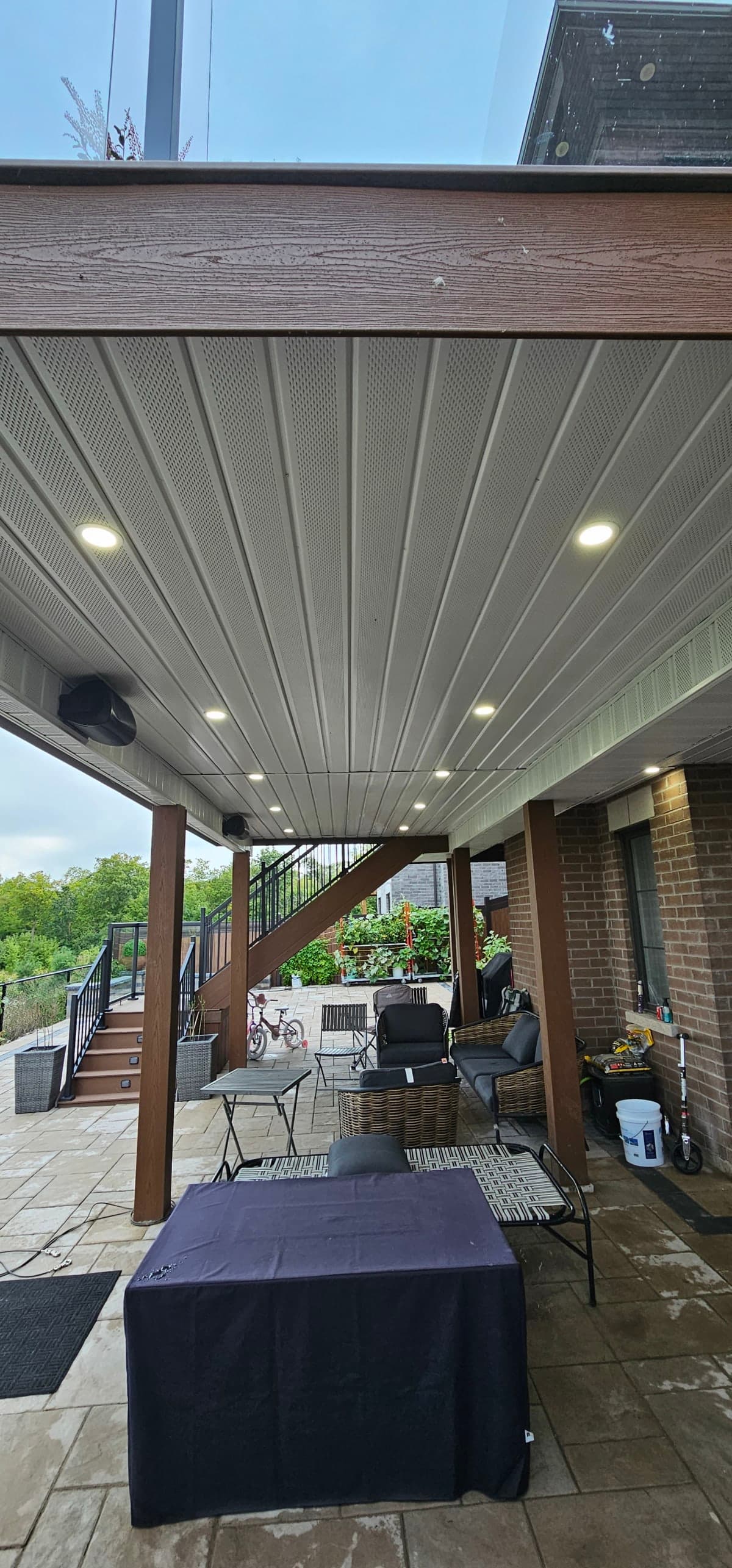
We install and maintain outdoor lighting across the GTA, and we've learned one thing the hard way: GTA winters are brutal on fixtures. Temperatures in Toronto regularly drop to -20°C or colder, and the freeze-thaw cycles that run from November through March will crack conduit, pop post footings, and turn a well-lit yard into a hazard. According to Hydro One, approximately 30% of outdoor electrical service calls in Ontario during winter involve lighting systems that weren't built for sub-zero conditions. This guide shares everything a GTA homeowner needs to know before installing or winterizing outdoor lighting, including what permits ESA requires, what it will cost in 2026, and which fixture technology survives the season best.
outdoor lighting installation process
Key Takeaways
- GTA frost line sits at 1.2 m (Ontario Building Code); footings shallower than that will heave
- Any new outdoor lighting circuit in Ontario requires an ESA electrical permit
- LED fixtures outlast halogens in GTA winters and use up to 75% less energy (Natural Resources Canada, 2024)
- Professional outdoor lighting installation in Toronto runs $500–$2,500 in 2026 depending on scope
- Weatherproofing and repairs typically cost $150–$600
Why Do GTA Outdoor Lighting Systems Fail So Quickly?
Most outdoor lighting failures in the GTA come down to one root cause: the installer treated Ontario like a moderate climate. The Ontario Building Code sets the frost line for the Toronto area at 1.2 metres (Ontario Building Code, Division B, Table 9.4.4.1, 2024). That's nearly four feet of frozen ground pushing against every post, conduit, and fixture base you set. Shallow footings heave. Improperly rated conduit cracks. Fixtures without IP65 or higher weatherproofing fill with condensation and short out. We see the same pattern every spring across Mississauga, Vaughan, Brampton, and Toronto proper: lights that looked fine in October are leaning or dead by April.
: After spending three seasons replacing heaved post lights for clients who'd used DIY box-store kits, we changed our standard footing depth to 1.35 m on all GTA installs. That extra 15 cm costs almost nothing but eliminates frost heave callbacks entirely.
The Freeze-Thaw Cycle Is the Real Enemy
Toronto averages 70 freeze-thaw cycles per winter, according to Environment and Climate Change Canada's climate normals for the 1991-2020 reference period. Each cycle expands ground moisture, shifts soil, and stresses every mechanical connection in your lighting system. Aluminum conduit handles this reasonably well; PVC conduit below grade needs to be schedule 40 or better rated for cold temperatures, because standard PVC becomes brittle below -15°C.
Moisture Ingress Kills More Fixtures Than Cold Does
Cold alone rarely destroys a quality fixture. Moisture does. When warm interior lamp heat draws cold air in through an improperly sealed housing, condensation forms on the bulb and wiring. In Brampton and Mississauga, where winter humidity often spikes before freeze events, we consistently find moisture-related failures in fixtures rated only IP44. For Canadian winters, IP65 is the floor, IP67 is ideal for ground-level or below-grade units.
What Does Ontario Require for Outdoor Electrical Permits?
: In the past 18 months, roughly 40% of clients who called us about a failed outdoor lighting installation had no ESA permit on file. Every single one of those systems had at least one code violation that contributed to the failure.
Ontario requires an ESA (Electrical Safety Authority) electrical permit for any new outdoor lighting circuit, any extension of an existing circuit to a new outlet or fixture, and any work on wiring inside the walls or underground conduit (ESA Ontario, Permit Requirements, 2024). The permit triggers an inspection by a Certified Master Electrician or ESA inspector before you energize the circuit. Fees in Toronto run approximately $100–$200 for a standard residential outdoor lighting permit, though complex multi-zone systems cost more.
What Work Triggers a Toronto Building Permit?
Purely electrical outdoor lighting work goes through ESA, not the Toronto Building Division. However, if your lighting project involves structural changes, such as mounting a fixture to a new pergola column, adding a post that requires a concrete footing exceeding 600 mm in depth, or attaching to a building facade in a way that affects structure, you may also need a Toronto Building Division permit (City of Toronto, Building Permits, 2024). When in doubt, we recommend calling 311 to confirm. Getting caught with unpermitted outdoor electrical work in Ontario can trigger a stop-work order and require you to expose all wiring for inspection.
What Does Not Require a Permit?
Replacing a like-for-like fixture on an existing outdoor circuit is generally permit-exempt in Ontario. Swapping a porch light for a new porch light on the same box? You're fine. Adding a new circuit, running wire underground, or installing a subpanel for a garden lighting zone? That needs an ESA permit and inspection every time.
LED vs. Halogen vs. Solar: Which Survives a GTA Winter?
Choosing the wrong fixture technology is one of the most expensive mistakes GTA homeowners make. Solar sounds appealing, and halogens are cheap upfront. But both have serious limitations below the 44th parallel in January.
| Feature | LED | Halogen | Solar |
|---|---|---|---|
| Operating temperature | -40°C to +50°C | -20°C to +40°C | Degrades below -10°C |
| Energy use (per 800 lm) | ~9W | ~43W | 0W (when sunny) |
| Winter performance in GTA | Excellent | Acceptable | Poor (low sun angle Nov-Feb) |
| Lifespan (hours) | 25,000-50,000 | 1,000-2,000 | 2,000-5,000 (panel) |
| Fixture cost (CAD, 2026) | $40-$250 | $15-$80 | $60-$350 |
| Ongoing energy cost/year | Low ($5-$20) | High ($30-$90) | Near zero |
| Cold-crack risk | Very low | Low | Moderate (panel) |
| Best GTA use case | All applications | Accent, low-use | Summer-only accent |
Natural Resources Canada reports that LED technology uses up to 75% less energy than incandescent or halogen equivalents and lasts 25 times longer (Natural Resources Canada Energy Efficiency, 2024). In a GTA winter context, that lifespan advantage compounds: you don't lose fixtures to the cold-start stress that kills halogens faster in sustained freezing temperatures.
: Solar panels lose up to 25% efficiency when covered in even a thin layer of snow, and the low sun angle in Toronto between November and February reduces solar charging capacity by another 40-60% compared to summer. In our experience, solar-only lighting systems in Vaughan and Brampton are functionally dark for 60-90 days per winter. We recommend solar only as a supplemental summer option, never as a primary year-round system in the GTA.
Why We Specify LED for Every GTA Outdoor Install
LED fixtures rated for cold climates don't just use less power. They start reliably at -40°C, which matters on mornings when your Mississauga driveway is solid ice and you need that path light working at 6 a.m. Heat-generating halogens create thermal stress on lens seals during rapid warm-to-cold cycling. LED's lower operating temperature actually reduces seal stress. We've switched 100% of our GTA outdoor lighting specifications to cold-rated LED, and our fixture failure rate dropped measurably as a result.
How Deep Do Footings Need to Be for Outdoor Post Lights in Toronto?
The Ontario Building Code specifies the frost depth for the Greater Toronto Area at 1.2 metres (Section 9.4.4.1, OBC 2024). Any post footing shallower than 1.2 m is at serious risk of frost heave by February. We set our standard at 1.35 m. The extra depth takes about 10 minutes with a power auger and prevents the most common failure we see on GTA properties every spring.
Concrete Mix Matters in Cold Climates
Standard bagged concrete mix works for summer pours, but for late-fall installations in Toronto, we use a cold-weather mix with a water-to-cement ratio below 0.40 and air-entraining admixture (Portland Cement Association, 2023). Air-entrained concrete tolerates freeze-thaw cycles far better than standard mixes. The admixture costs roughly $8-$12 per bag more, but it's money well spent on a structure you expect to last 15-20 years in a Vaughan or Brampton yard.
Drainage Around the Base Is Non-Negotiable
Ice pressure builds when water pools around a post base and freezes. Even with a properly deep footing, consistent ice pressure from a poorly drained base will eventually crack concrete or push a sleeve fitting loose. We install a 150 mm layer of clear crushed gravel (19 mm clear stone) around every post base to within 50 mm of grade. This keeps water moving away from the footing during thaw events.
What Does Outdoor Lighting Installation Cost in Toronto in 2026?
GTA homeowners should budget based on project scope. These are 2026 ranges we're seeing across Toronto, Mississauga, Vaughan, and Brampton for professional installation with permits and materials included.
Installation Cost Ranges (2026 CAD)
Basic driveway or path lighting (4-6 fixtures, existing circuit): $500-$900 This covers fixture supply and installation on an existing outdoor circuit with no new wiring. Assumes fixtures are within 5 m of the panel feed point.
Mid-range landscape lighting package (8-12 fixtures, new circuit): $900-$1,800 Includes trenching, underground conduit, a new 20A GFCI-protected circuit, ESA permit and inspection, and fixture supply. Typical for a standard GTA lot.
Full property lighting system (15+ fixtures, multi-zone, timer/smart control): $1,800-$2,500+ Covers multiple circuits, a lighting control subpanel or smart timer, motion sensors, and premium cold-rated fixtures. Complex installs in larger Vaughan or Brampton properties with long trenching runs reach the upper end.
Weatherproofing and repairs: $150-$600 Includes re-sealing fixture housings, replacing cracked conduit sections, repouring a heaved footing, and replacing failed fixtures on existing circuits.
Conduit and wire materials (per linear metre, installed): $18-$35 Schedule 40 PVC or rigid aluminum conduit with wire pull, buried to 600 mm minimum for 120V circuits (or 300 mm under a concrete slab), per Ontario Electrical Code requirements.
These prices include ESA permit fees (approximately $100-$200) for new circuit work. They assume standard residential access. Rocky ground or properties with extensive existing hardscape that requires breaking and patching add cost. Call us or get at least three quotes before committing to a scope.
get a quote for outdoor lighting installation
How to Weatherproof Existing Fixtures Before Winter Hits
If your outdoor lighting is already installed and you want to get through another GTA winter without replacing it, there's a practical checklist to work through before November. We run through this on every maintenance call across Toronto, Mississauga, and Vaughan from September to October.
Inspect Every Gasket and Seal
Fixture housing gaskets are the first thing to fail. UV exposure dries out rubber gaskets over two to three seasons, and once a gasket cracks, moisture gets in. Press lightly on the housing where the lens meets the body. If it flexes or you feel a gap, the gasket is gone. Replacement gaskets for standard box-store fixtures cost $2-$8 each and take five minutes to swap. Don't skip this step.
Check Conduit at Grade Entry Points
Where your underground conduit enters a post or building, the conduit fitting is exposed to the same freeze-thaw stress as the soil around it. Look for hairline cracks in PVC conduit fittings at grade level. A cracked conduit fitting lets water into the conduit run, which wicks to the fixture housing and causes corrosion or shorting. We've found cracked conduit fittings on installs as recent as three years old in Brampton, particularly on east-facing exposures where thaw-refreeze cycles are most aggressive.
Test GFCI Protection on Every Outdoor Circuit
Ontario Electrical Code requires GFCI protection on all outdoor receptacles and lighting circuits. Press the test button on your outdoor GFCI outlet or breaker. If it doesn't trip and reset cleanly, the GFCI device has failed and needs replacement. A failed GFCI that looks operational gives you false confidence. In wet or icy conditions, that's a genuine shock hazard. GFCI outlet replacement runs $60-$120 installed by a licensed electrician.
Apply Dielectric Grease to All Connections
Dielectric grease on bulb sockets and junction box wire nuts is a simple, low-cost step that extends connector life by preventing moisture oxidation. A tube of dielectric grease costs about $8 at any hardware store in Toronto. Apply a thin coat to bulb bases before seating them and to the inside of wire nut connections at junction boxes. It won't fix a failed seal, but it slows corrosion on connections that are still sound.
Frequently Asked Questions
How deep is the frost line in Toronto and the GTA?
The Ontario Building Code sets the design frost depth for the Greater Toronto Area at 1.2 metres (Table 9.4.4.1, OBC 2024). This applies to Toronto, Mississauga, Vaughan, and Brampton. We recommend setting outdoor post footings at 1.35 m to add a safety margin. Footings shallower than 1.2 m will heave in most GTA winters within two to three seasons. (Ontario Building Code, 2024)
Do I need an ESA permit to install outdoor lighting in Ontario?
Yes, if the work involves a new circuit, any underground wiring, or connecting to your electrical panel. The Electrical Safety Authority (ESA) requires a permit for all such work in Ontario, regardless of whether you hire a contractor or do it yourself as the homeowner. Permit fees for a standard residential outdoor lighting project run approximately $100-$200 in the Toronto area. Work done without a permit can void your home insurance coverage for related claims. (ESA Ontario, 2024)
Is solar outdoor lighting viable in the GTA during winter?
Not as a primary system. Solar panels lose significant efficiency below -10°C and produce very little charge during the low-sun-angle months of November through February in Toronto. Environment and Climate Change Canada's data shows Toronto receives only 2.5-3.5 peak sun hours per day in December compared to 7+ hours in July. Solar fixtures work well as summer accent lighting but should not be relied on for year-round security or path lighting in the GTA. (Environment and Climate Change Canada Climate Normals, 2024)
What weatherproofing rating do outdoor fixtures need in Ontario?
For standard above-grade fixtures in GTA climates, IP65 is the minimum rating we recommend. IP65 means dust-tight and protected against low-pressure water jets from any direction. For fixtures at grade level, in ground wells, or near driveways where snowmelt and road salt spray is a factor, IP67 (temporary submersion to 1 m) is preferable. Fixtures rated below IP44 are not appropriate for Canadian outdoor installation and will fail within one to two winters in the Toronto area. (International Electrotechnical Commission IEC 60529, 2023)
Can I trench my own conduit for outdoor lighting in Ontario?
Homeowners can do their own electrical work in Ontario on their primary residence under the homeowner permit exemption, but the work still requires an ESA permit and must pass inspection. Trenching is physically straightforward, but ensuring proper burial depth (600 mm for 120V circuits not under a slab, 300 mm under a concrete slab), correct conduit type, and proper conduit sealing at entry points is where DIY installs typically fail inspection. If in doubt, hiring a licensed electrical contractor protects you from costly rework and ensures your ESA inspection passes the first time.
What About Wooden Posts: Are They Worth Using?
Pressure-treated wood rated for ground contact (UC4B or better) is the minimum standard for any wooden outdoor lighting post set in Ontario soil. Standard AC2-treated lumber is not rated for ground contact and will begin rotting within three to five years in the wet conditions typical of GTA spring thaws. We've pulled posts in Mississauga that were installed with the wrong treatment grade, and the rot at the base was advanced after just four winters.
Alternatives to Wood Posts in GTA Climates
Powder-coated aluminum and hot-dip galvanized steel posts outperform wood in GTA conditions. Aluminum doesn't rot, doesn't corrode in the presence of road salt (a real concern near Brampton and Mississauga arterials), and weighs less, which simplifies installation. Steel adds structural rigidity for larger fixtures or heavier pendant styles. Both materials carry a premium over wood. Expect to pay $80-$200 per post for aluminum versus $30-$70 for treated wood. Over a 15-year lifespan with no rot maintenance, aluminum is usually the better value.
Timing Your Install: When Is the Right Season in the GTA?
The ideal installation window for new outdoor lighting in the GTA is May through September. Ground is workable, concrete pours cure properly, and you have time to spot-check the system before winter arrives. October installs are possible but tight. November through March trenching is expensive because frozen ground requires power equipment, and cold-weather concrete pours need insulated forming and curing blankets to reach design strength.
: We've taken on emergency winter lighting installs for clients in Vaughan who needed security lighting after a break-in. It's doable, but trench digging in January in a Vaughan backyard adds $150-$300 in equipment costs alone. If your lighting project isn't urgent, budget and schedule for spring.
Spring timing also aligns with city permit processing. Toronto Building Division and ESA tend to have shorter turnaround times in spring before the summer permit rush, which typically runs June through August. For a standard residential outdoor lighting permit, you can expect ESA approval in two to five business days in shoulder season.
Conclusion: Build It Once, Build It Right for GTA Winters
GTA winters don't forgive shortcuts. Outdoor lighting installed with the right footing depth, the right fixture rating, the right permits, and the right technology will run reliably for 15-20 years. Outdoor lighting installed to a price point will be a recurring headache after every hard winter. We've seen both outcomes hundreds of times across Toronto, Mississauga, Vaughan, and Brampton.
The key decisions are simple: dig to 1.35 m, specify LED with an IP65 or better rating, pull your ESA permit, and don't let anyone talk you into solar as a primary system north of the 44th parallel in January. Those four choices get you most of the way to a system that outlasts the house it serves.
If you want a professional assessment or a quote on a new outdoor lighting system or winterization service anywhere in the GTA, we're happy to help. No pressure, just straight advice from contractors who've worked these winters for years.
Tags
Related articles
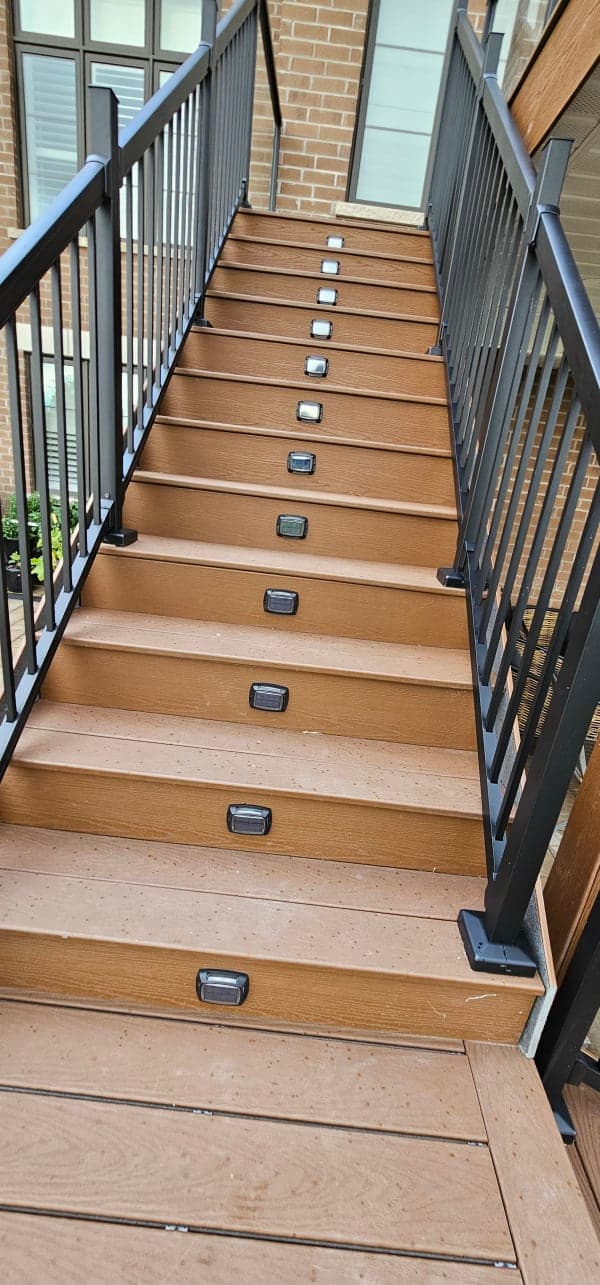
Why Most Outdoor Lighting Goes South After Two Winters and How to Stop It
Get the lowdown on why your outdoor lighting fails after a couple of winters in wet, cold spots. Learn the tricks to prevent frost heave and wood rot so your setup lasts the long haul.
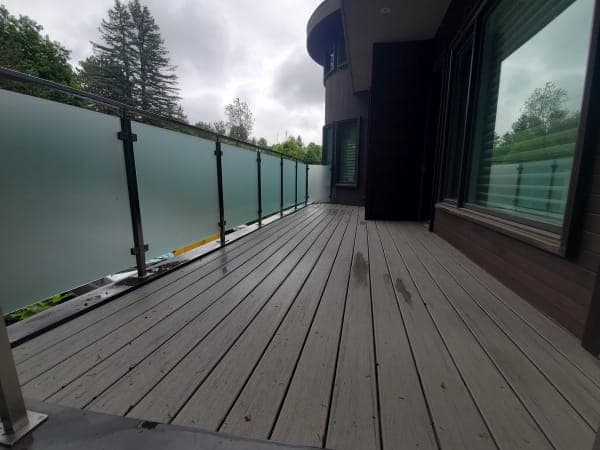
Why Most Porch Builds Fail After Two Winters and How to Stop It
Most porches that fall apart after two winters share the same issues: frost heave and wood rot. Here's what you need to know to build a porch that lasts through Canada's wet, cold seasons.
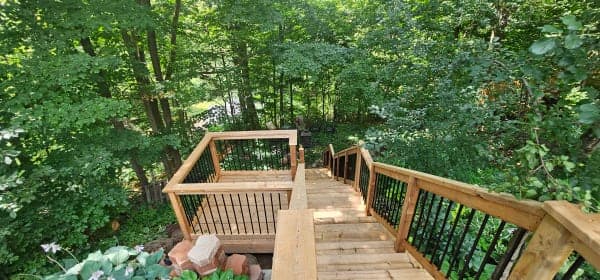
Get Your Deck Done Right Before Toronto's Mud Season Hits
Toronto and GTA homeowners who book their deck build in early spring avoid permit delays, contractor shortages, and October mud. Here's the exact timeline and 2026 pricing to plan it right.