Roofing in Toronto: Get It Done Before Mud Season Hits
The spring-to-mud-season window is the best time to replace or repair your roof in Toronto and the GTA. Learn 2026 CAD pricing, permit rules, and how to book before contractor slots fill up.
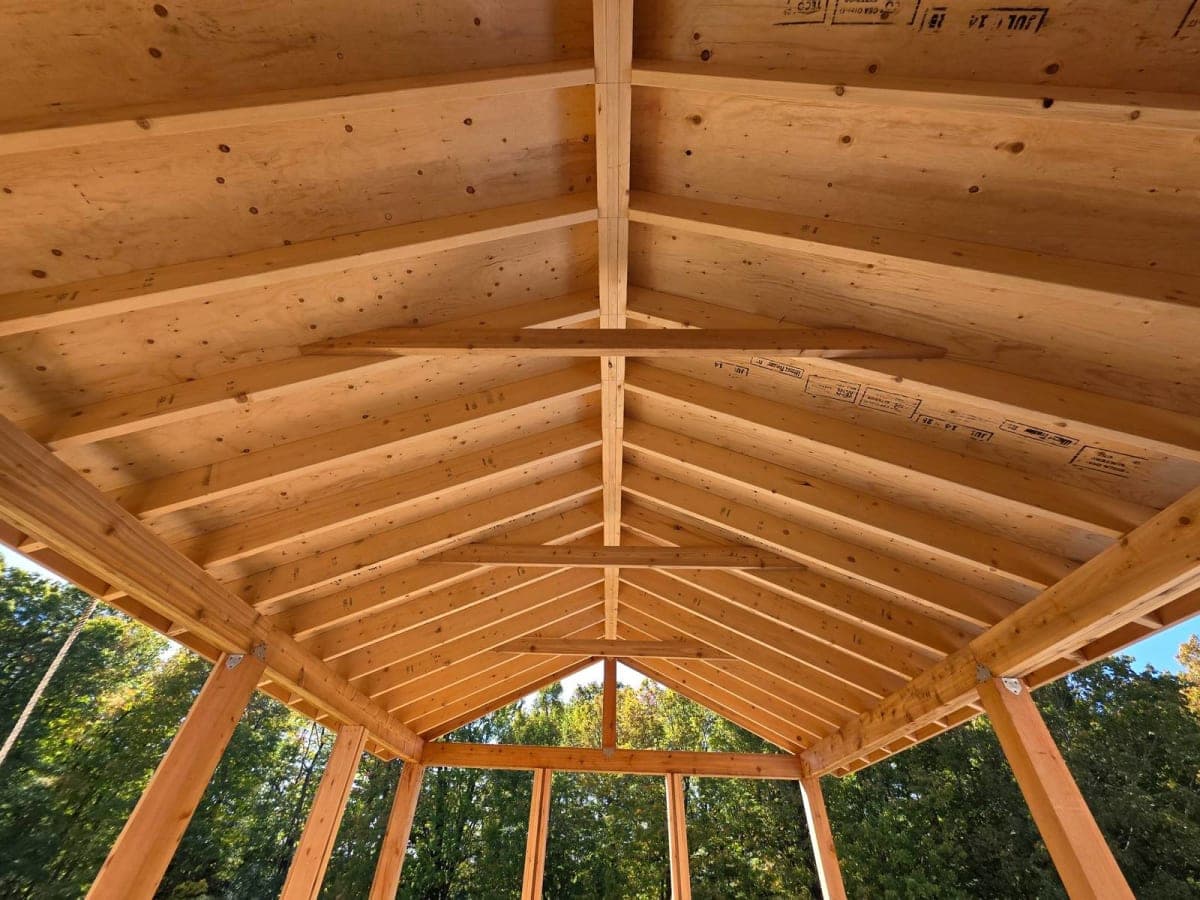
The window between spring thaw and mud season is the best time to get a roof done in Toronto, but only if you book early enough. We've been roofing homes across the GTA for years, and every spring we see the same pattern: homeowners who start calling in April are competing for contractor slots that filled up in February. This guide walks through what that window actually looks like, what a roof replacement costs in 2026 CAD, what Toronto's permit rules require, and how to choose a contractor who won't leave you tarped out in October.
Key Takeaways
- The ideal GTA roofing window runs from late April through mid-September, roughly 20 usable weeks
- Toronto Building Division requires a permit for full roof replacements on most residential structures; re-shingling a small area may be exempt
- Expect to pay $8,000-$18,000 for asphalt shingles, $18,000-$45,000 for metal, and $6,000-$15,000 for flat roofing in Toronto in 2026
- Top roofing contractors in Toronto are typically booked 6-10 weeks ahead by mid-April each year
- Freeze-thaw cycles that begin in October can compromise fresh sealant, adhesive strips, and flashing if the roof isn't fully finished before the first hard frost
roofing services and project examples
Why Does the Spring-to-Mud-Season Window Matter for GTA Roofers?
Toronto's climate creates a narrow but highly predictable roofing season that experienced contractors plan their entire year around. Environment and Climate Change Canada records show the Toronto area's last average ground frost falls between March 20 and April 5, with freeze-thaw conditions returning consistently by mid-October. That translates to roughly 24 calendar weeks, with 20 truly usable roofing weeks once you account for spring rain delays. (Environment and Climate Change Canada, 2025)
Roofing adhesives, sealants, and self-sealing shingle strips all require temperatures above 10°C to bond correctly. Apply them in cold conditions and you get lifting shingles, failed seals, and voided manufacturer warranties. Start too late in the fall and the same problem hits from the other direction, with October frost arriving before flashings have fully cured.
We've seen homeowners push installs into late October because their contractor was overbooked in summer. The result is almost always a callback the following spring, with sealant failures and lifted tabs that could have been avoided entirely. Timing isn't a suggestion in this business. It's a structural requirement.
What makes spring specifically valuable, as opposed to summer, is that crews are fresher, temperatures are moderate, and afternoon thunderstorm patterns haven't fully set in yet. June through August in the GTA brings frequent afternoon storms that pause work, shorten usable daily hours, and create safety concerns on pitched roofs. Getting on the roof in May is often faster and more controlled than going in July.
seasonal construction planning for GTA homeowners
What Does a Roof Replacement Actually Cost in Toronto in 2026?
Roofing costs in the GTA have risen steadily over the past three years, pushed by material price increases and a skilled trades shortage the province has struggled to close. Statistics Canada reported over 80,000 unfilled construction trade positions across Ontario as of Q1 2025, and labour costs in Toronto run roughly 25-35% above the provincial average as a result. (Statistics Canada, 2025)
Here are realistic 2026 CAD ranges for common residential roofing projects in Toronto, Mississauga, Vaughan, and Brampton:
| Roofing Type | Typical Home Size | Low Estimate | High Estimate | Per Sq Ft (Materials + Labour) |
|---|---|---|---|---|
| Asphalt shingles (3-tab) | 1,200-1,800 sq ft | $8,000 | $12,000 | $6-$8 |
| Asphalt shingles (architectural) | 1,200-1,800 sq ft | $10,000 | $18,000 | $8-$12 |
| Metal roofing (standing seam) | 1,200-1,800 sq ft | $18,000 | $32,000 | $14-$22 |
| Metal roofing (stone-coated steel) | 1,200-1,800 sq ft | $22,000 | $45,000 | $16-$28 |
| Flat roof (TPO membrane) | 800-1,500 sq ft | $6,000 | $11,000 | $7-$9 |
| Flat roof (modified bitumen) | 800-1,500 sq ft | $7,000 | $15,000 | $8-$11 |
| Cedar shake (new or replacement) | 1,200-1,800 sq ft | $20,000 | $40,000 | $16-$24 |
These figures include tear-off of existing material, underlayment, flashing, and basic ventilation. They do not include structural deck repairs, skylight replacement, or custom trim work. Add $2,000-$6,000 if the decking has rot damage that needs replacing, which is common on Toronto homes built before 1990.
On Brampton and Mississauga jobs, we consistently find that the final invoice runs 8-15% above initial estimates when hidden deck damage appears after tear-off. We tell every homeowner upfront: budget a 10% contingency. The homes where this surprises people are the ones where the previous owner patched over problems rather than replacing decking properly.
Does Your Toronto Roofing Project Need a Permit?
Toronto's permit rules for roofing are more specific than most homeowners realize, and getting this wrong can create serious problems at resale. Toronto Building Division requires a building permit for any structural changes to a roof, including adding or removing dormers, changing the roof slope or pitch, or replacing roof decking. (City of Toronto Building Division, 2025)
For re-roofing (replacing the surface covering without structural changes), the rules break down like this:
When a permit is NOT required:
- Replacing asphalt shingles with asphalt shingles of the same weight class, covering less than 10% of the total roof area
- Routine maintenance repairs to flashings, eavestroughs, or soffits
When a permit IS required:
- Full tear-off and replacement of the roof covering across the entire structure
- Changing roofing material type (e.g., from asphalt to metal or from flat membrane to cedar shake)
- Any modification to the roof structure, rafters, or decking
- Adding roof penetrations for skylights, solar panels, or mechanical venting
Toronto permit fees for residential roofing in 2026 run approximately $200-$600 for straightforward re-roofing projects, and $600-$2,000+ for jobs that involve structural modifications. Processing typically takes 5-15 business days for standard applications submitted through the city's e-permits portal.
Do not skip the permit step because a contractor says it isn't needed. In Toronto, unpermitted roofing work surfaces during home inspections at resale and can require you to remediate or re-do the work before a sale closes. We've seen deals fall apart over exactly this issue.
Based on our permit submissions across Toronto, Mississauga (Peel Region), and Vaughan (York Region) in 2024-2025, full residential re-roofing permits were approved within 8 business days on average when submitted with complete documentation. Incomplete submissions, most often missing a site plan or material specification sheet, added an average of 11 business days to approval time.
Which Roofing Material Should GTA Homeowners Choose?
The right material depends on your home's structure, your long-term ownership plans, and your tolerance for upfront cost versus lifespan. According to the National Roofing Contractors Association, asphalt shingles account for approximately 75% of residential roofing installations in North America because they offer the lowest upfront cost and the widest contractor availability. (National Roofing Contractors Association, 2024)
In the GTA specifically, metal roofing has grown significantly in the past five years. Toronto's freeze-thaw cycle, which Environment Canada records show averages 65 cycles per winter season, puts stress on asphalt that doesn't exist in warmer climates. Metal handles those thermal cycles far better, which is why its 50-year lifespan claim actually holds in our climate when asphalt's 25-year rating often runs short. (Environment and Climate Change Canada, 2024)
Asphalt Shingles: Best for Budget and Speed
Asphalt remains the dominant choice for Toronto homeowners who plan to sell within 10-15 years or who have a hard budget ceiling. A quality architectural shingle from manufacturers like IKO or GAF carries a 30-year limited warranty and installs fast, typically 1-3 days for a full replacement on a standard two-storey home. The tradeoff is that GTA winters are harder on asphalt than the warranty language tends to suggest.
Metal Roofing: Best for Long-Term Value in the GTA Climate
Metal roofing costs two to three times more upfront than asphalt, but it's a genuinely better fit for the freeze-thaw punishment Toronto roofs take every winter. Standing seam metal in particular has no exposed fasteners, which eliminates the most common leak point in residential roofing. For homeowners planning to stay 20+ years, the math generally favors metal. We've seen Vaughan homes with original standing seam roofs from the late 1990s that still look and perform like new.
Flat Roofing: What Mississauga and Toronto Condo/Addition Owners Need to Know
Flat roofing is almost always the right choice for low-slope applications: additions, rear extensions, garage roofs, and some contemporary-style homes. TPO membrane is currently the most popular flat roofing system in the GTA because it reflects UV radiation, handles temperature shifts well, and welds at the seams rather than relying on adhesive. Modified bitumen is an older but still widely used alternative that some contractors find easier to work with in tight spaces.
The critical factor on flat roofs is drainage. Toronto's spring rainfall averages 60-70mm in April and May combined, according to Environment Canada records, and a flat roof without proper slope-to-drain design will hold standing water that destroys membrane longevity fast. We build a minimum 2% slope into every flat roof we install.
How Do You Book a Roofing Contractor in Toronto Before the Season Fills Up?
Booking early is the single biggest factor in getting your roof done during the optimal spring window. HomeStars' 2024 survey of Canadian homeowners found that 68% of homeowners who had a positive renovation experience began contractor outreach more than 8 weeks before their target start date. Those who started less than 4 weeks out reported significantly higher rates of contractor unavailability and rushed workmanship. (HomeStars, 2024)
Here's the realistic booking timeline we recommend for Toronto and GTA homeowners:
| Month | What to Do |
|---|---|
| January-February | Get 3 quotes, check references, select your contractor |
| February-March | Sign contract, submit permit application, confirm material orders |
| Late March-April | Site prep, delivery scheduling, tear-off begins |
| May-June | Installation, inspection booking, deficiency walkthrough |
| July onward | Final inspection, warranty documentation, cleanup |
Starting in January feels early, but it isn't. Reputable roofing crews in Toronto typically have their April-May calendar filled by early March. If you're calling in April hoping to start in May, you're often looking at July at the earliest, which pushes your project uncomfortably close to fall.
The contractors with the worst track records, the ones who show up in online reviews with complaints about no-shows and poor workmanship, almost always have openings in April and May. Availability in peak season is a red flag, not a convenience. If a Toronto roofer can take you in two weeks during May, ask why.
What to Look for When Hiring a Toronto Roofer
Not all contractors operate the same way, and in a market where demand exceeds supply every spring, it's easy to end up with someone who cuts corners. Check these items before signing anything:
- WSIB clearance certificate: Required in Ontario. Ask for it specifically and verify it hasn't expired.
- Liability insurance: Minimum $2 million general liability for residential work in Toronto.
- Manufacturer certification: IKO, GAF, and Owens Corning all offer contractor certification programs. Certified installers can offer extended warranties that uncertified installers cannot.
- Written scope of work: Every line item should be spelled out. Vague contracts are where disputes start.
- Payment schedule: A reputable contractor will not ask for more than 10-20% upfront. Full payment before completion is a warning sign.
Frequently Asked Questions
How long does a roof replacement take in Toronto?
Most residential roof replacements in the GTA take 1-3 days for asphalt shingles on a standard two-storey home. Metal roofing typically runs 3-5 days due to more complex installation. Flat membrane systems on additions or extensions take 1-2 days. Weather delays are common in spring, so contractors typically pad schedules by 1-2 buffer days. Larger or more complex roofs, or homes with steep pitches, take longer and cost more in labour.
Do I need a permit to replace my roof in Toronto?
It depends on the scope. Replacing shingles like-for-like on less than 10% of the roof typically does not require a permit. A full tear-off and replacement, a change in material type, or any structural modification to the roof does require a permit from Toronto Building Division. Permit fees run $200-$600 for most residential re-roofing projects. Always confirm with the city's e-permits portal or your contractor before starting work. Skipping a required permit creates real problems at resale.
What's the best roofing material for Toronto's climate?
Metal roofing performs best over the long term in the GTA's freeze-thaw climate, with a realistic 50-year lifespan versus 20-30 years for quality asphalt. That said, asphalt architectural shingles remain the most cost-effective choice for homeowners with shorter ownership horizons or tighter budgets. Flat roofs on additions should use TPO or modified bitumen membrane with a minimum 2% slope built in. The wrong choice for Toronto is using 3-tab asphalt on a house you plan to own for 25+ years.
How much does a flat roof replacement cost in Mississauga or Brampton?
Flat roof replacement costs in Mississauga and Brampton run similar to Toronto: $6,000-$11,000 for TPO membrane and $7,000-$15,000 for modified bitumen, based on 2026 pricing for 800-1,500 sq ft applications. Peel Region permits for flat roofing on additions typically cost $150-$400. Labour costs in Mississauga and Brampton run 10-15% below central Toronto rates on average, which can make a meaningful difference on larger flat roof installations.
Can roofing be done in October or November in the GTA?
Technically yes, but with significant risk and limitations. Asphalt shingle adhesive strips require temperatures above 10°C to self-seal, and Toronto's overnight temperatures regularly drop below that threshold in October. Contractors who install in late fall often use hand-sealing techniques as a workaround, but this adds labour cost and is less reliable than thermal sealing. We recommend completing roofing projects by mid-September at the latest in the GTA to avoid freeze-thaw complications with fresh sealant and flashing.
Wrapping Up: The Spring Window Is Real, and It Fills Fast
The roofing season in Toronto is not a marketing concept. It's a real, climate-driven window shaped by freeze-thaw cycles, adhesive cure temperatures, and the availability of experienced crews. Getting your roof replaced between late April and mid-September gives you the best chance of a properly sealed, fully inspected, warrantied roof before fall weather arrives.
The practical steps are simple: get quotes in January or February, pull your permit, lock in your contractor before March ends, and plan for a 10% contingency on material costs. Whether you're in Toronto, Mississauga, Vaughan, or Brampton, the scheduling math is the same. The homeowners who wait until the problem is obvious are the ones paying rush rates or waiting until next year.
If you're planning a roof replacement or repair in the GTA this spring, our roofing team can walk you through options, pricing, and timelines specific to your home and neighbourhood.
ATB Construction serves Toronto, Mississauga, Vaughan, and Brampton. We handle residential roofing, additions, and exterior work across the GTA.
Tags
Related articles
Pick the Right Lumber and Fasteners for Outdoor Lighting or Pay the Price
Choosing the wrong lumber or fasteners for outdoor lighting setups can lead to costly failures. Learn what materials work best and which to avoid for lasting results.
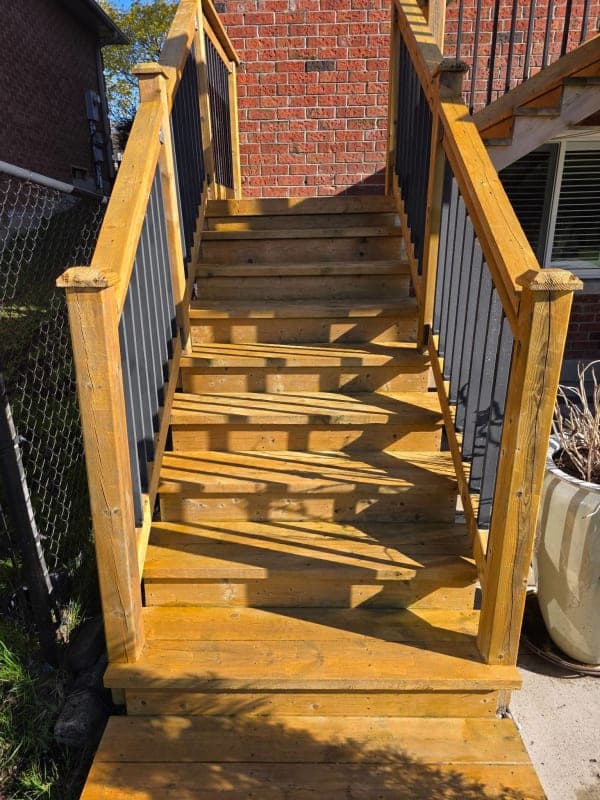
Why Most Outdoor Structures Fail After Two GTA Winters — And How to Stop It
After two winters in Toronto, the same failure patterns show up on decks, fences, and retaining walls across the GTA. Frost heave and wood rot are the culprits — and both are preventable with the right materials and build practices.
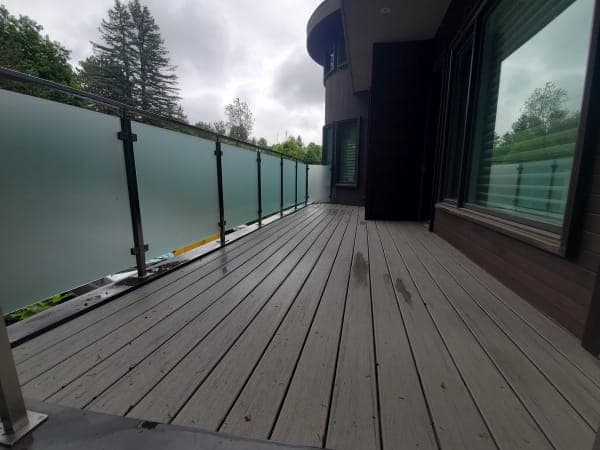
Why Your DIY Porch in Toronto Will Cost You Far More Than You Planned
Toronto and GTA homeowners lose $5,000–$20,000 fixing failed DIY porches every year. Here's the real cost breakdown — permits, frost lines, structural failures — from a contractor who rebuilds them every season.