Pick the Right Lumber and Fasteners for Outdoor Lighting or Pay the Price
Choosing the wrong lumber or fasteners for outdoor lighting setups can lead to costly failures. Learn what materials work best and which to avoid for lasting results.
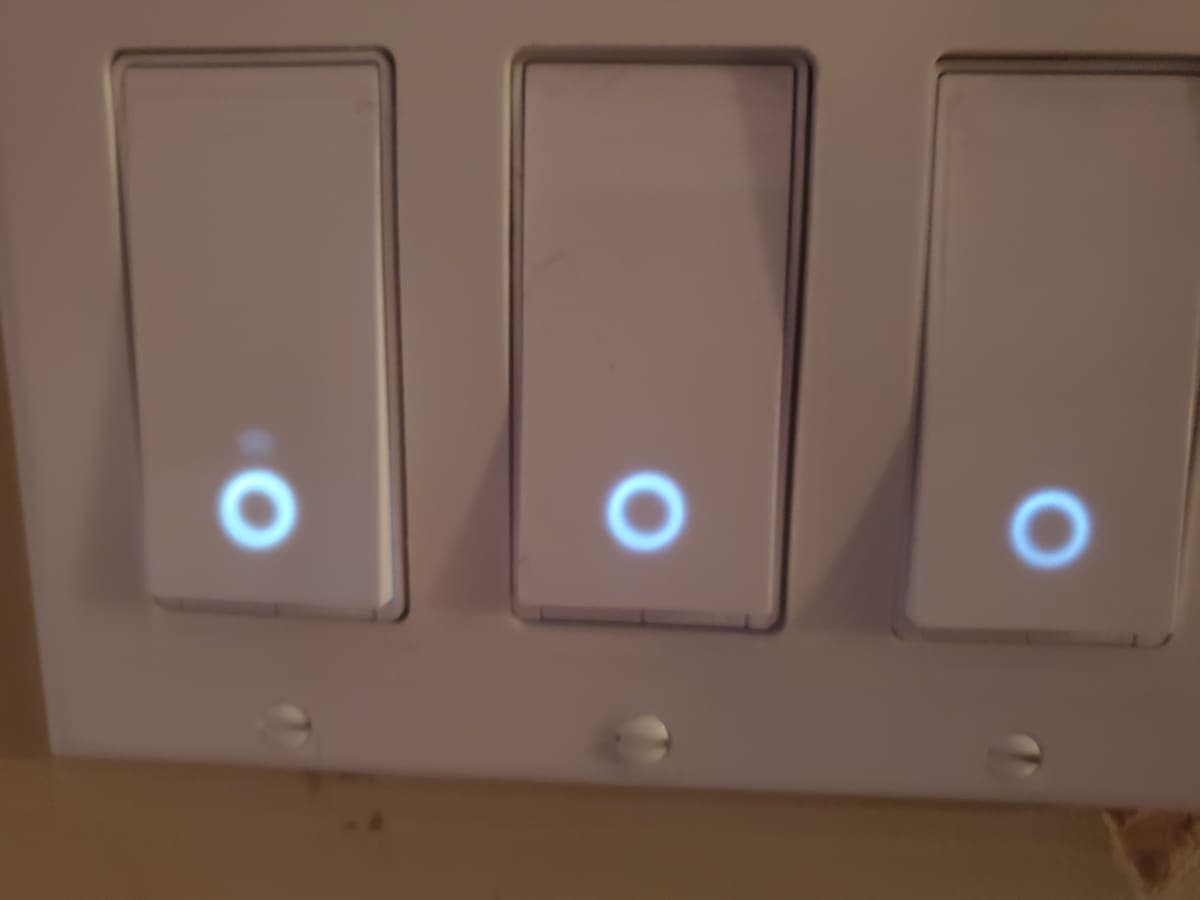
Why Picking the Wrong Materials Can Doom Your Outdoor Lighting
It’s easy to think any lumber or fasteners will do when installing outdoor lighting. But choosing the wrong wood or hardware fasteners is a recipe for disaster that can turn your neat project into a safety hazard or a money pit. I’ve seen light posts lean, rot, or collapse because someone skimped or didn’t understand the conditions out here.
The Stakes with Outdoor Lighting Materials
Outdoor lighting installations are exposed to all sorts of challenges — moisture, freeze-thaw cycles, UV exposure, and ground contact. Using the wrong materials means things degrade fast, screws rust out, and lumber warps or rots. This causes unstable structures and a constant need for repairs.
The Good, Better, Best of Lumber Choices
- Good — Pressure-Treated Pine:
- Commonly used. Treated to resist rot and insects.
- Good for posts and mounting where direct ground contact occurs.
- Must still be sealed to last through harsh freeze-thaw cycles.
- Better — Cedar:
- Naturally resistant to rot and insects.
- Stable, less warping. Nice appearance.
- Expensive than treated pine but lasts longer without heavy treatments.
- Best — Composite or Tropical Hardwoods:
- Composites resist moisture and don’t warp.
- Tropical hardwoods are dense, rot-resistant, and durable.
- Best option if you want the lowest maintenance and longest lifespan, especially in challenging climates.
Fasteners Matter Just as Much
Fasteners—whether screws, nails, or bolts—are what hold your setup together through weather changes. Pick the wrong ones, and they rust, fail, or stain your wood.
- Good: Standard galvanized screws. Affordable and decent rust resistance but not ideal for long-term ground exposure.
- Better: Hot-dipped galvanized or stainless steel screws. Much better rust resistance for posts or fixtures near the ground.
- Best: All stainless steel, especially marine grade (316). No rust, holds strong, best for any metal-to-wood connections.
Practical Steps to Avoid Disaster
- Always call before you dig. Utility locates are essential if you're setting posts or wiring near buried services.
- Get municipal permits when required for electrical work or installations.
- Select lumber based on exposure and purpose. Pressure-treated for ground contact, cedar or better for visual or structural parts.
- Use corrosion-resistant fasteners matching or exceeding lumber grade.
- Apply appropriate wood sealants to protect wood surfaces plus regular maintenance to handle freeze-thaw damage.
The Don’t Do This List
- Don’t use untreated softwood for posts or fixtures exposed to weather.
- Don’t rely on standard screws near ground level; they will rust out.
- Don’t ignore local permit rules. Electrical failures or fires aren’t worth skipping paperwork.
- Don’t skip utility locates; hitting a buried line can cause injuries and big headaches.
Picking the right lumber and fasteners is simple but crucial for a project that actually lasts. The upfront effort choosing ‘better’ materials means less repair work and safer lighting through tough seasons. Today’s investment pays off every year you flip that switch.
Tags
Related articles
Roofing in Toronto: Get It Done Before Mud Season Hits
The spring-to-mud-season window is the best time to replace or repair your roof in Toronto and the GTA. Learn 2026 CAD pricing, permit rules, and how to book before contractor slots fill up.
Why Most Outdoor Structures Fail After Two GTA Winters — And How to Stop It
After two winters in Toronto, the same failure patterns show up on decks, fences, and retaining walls across the GTA. Frost heave and wood rot are the culprits — and both are preventable with the right materials and build practices.
Why Your DIY Porch in Toronto Will Cost You Far More Than You Planned
Toronto and GTA homeowners lose $5,000–$20,000 fixing failed DIY porches every year. Here's the real cost breakdown — permits, frost lines, structural failures — from a contractor who rebuilds them every season.