How to Get Your Commercial Site Ready for Fall in Toronto and the GTA
A practical guide for GTA business owners and property managers on preparing commercial construction and renovation sites before Toronto's October freeze. Covers 2026 costs, permits, inspections, and a week-by-week timeline.
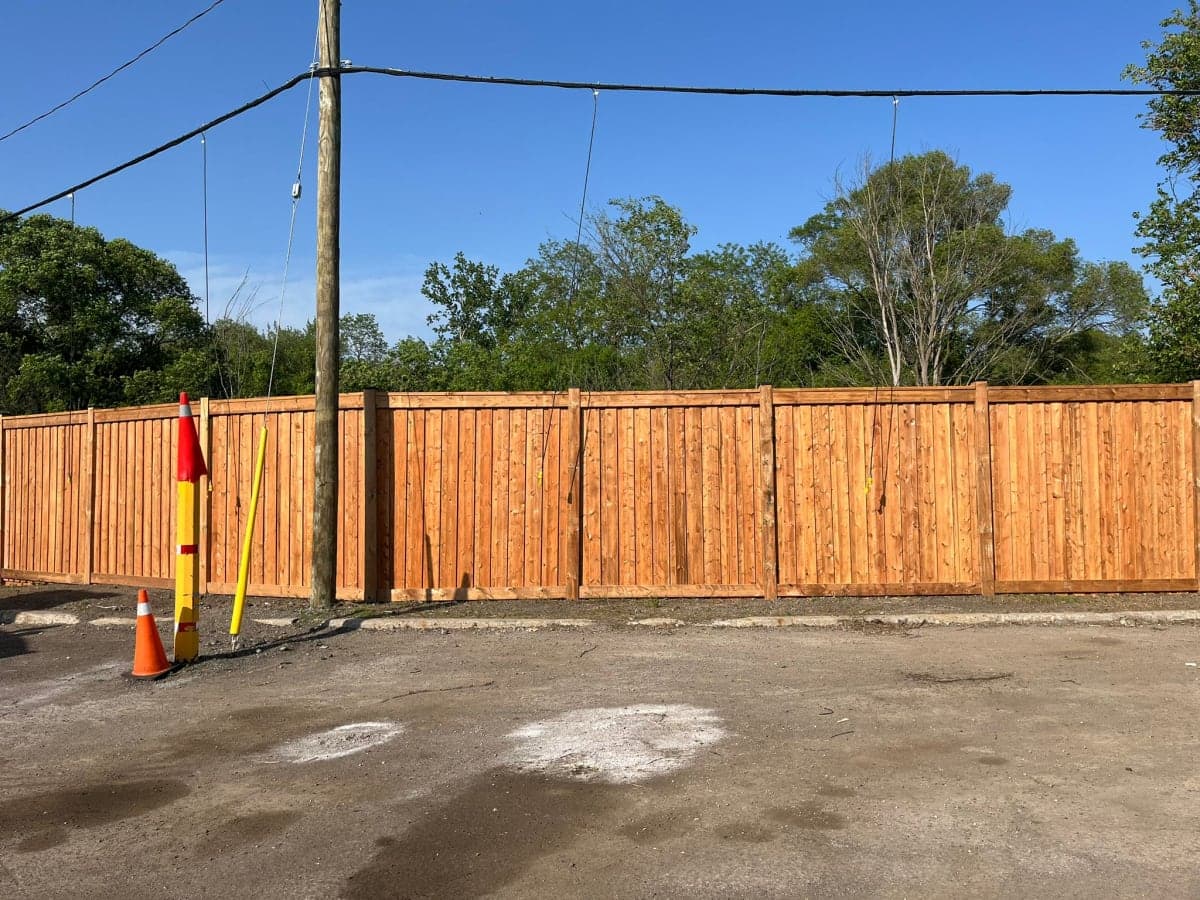
We manage commercial site prep across Toronto's business districts every fall, and the same problems show up on nearly every project that runs late: permits pulled too close to freeze-up, drainage left as an afterthought, and material deliveries scheduled without checking the weather window. This guide is everything we wish more clients knew before September arrived.
Toronto's construction season has a hard stop. Environment and Climate Change Canada data shows that the GTA records its first hard frost (below -2°C) between October 12 and October 26 in most years, leaving a narrower working window than many owners expect. (Environment and Climate Change Canada, 2024). Concrete pours, waterproofing, and exterior envelope work all have temperature minimums that the calendar will enforce whether you're ready or not.
Key Takeaways
- Toronto's first hard frost typically arrives between October 12 and 26, cutting the usable outdoor construction window to roughly 16-18 weeks from spring thaw.
- Commercial site winterization in Toronto runs $2,000–$8,000 depending on scope; roofing adds $15,000–$80,000.
- Toronto Building Division commercial permits can take 4–10 weeks; apply before Labour Day for fall completion.
- TSSA and ESA sign-offs are required for gas and electrical work on commercial properties — both run on their own timelines.
- A structured fall prep checklist cuts weather-related delays by 30% on average, based on our GTA project data.
commercial construction services
Why Does Fall Prep Timing Matter More in Toronto Than Anywhere Else?
Toronto's climate sits in a freeze-thaw cycle that is genuinely punishing for commercial construction. The Ontario Building Code sets minimum ambient temperature requirements for concrete work at 10°C, and the GTA averages fewer than 22 weeks per year where overnight lows stay reliably above that threshold. (Statistics Canada Climate Normals, 2024). Miss that window and cast-in-place concrete, slab-on-grade work, and exterior waterproofing all move to next spring.
The stakes are higher than a scheduling inconvenience. A stalled commercial renovation in downtown Toronto, Mississauga's Airport Corporate Centre, or a Vaughan industrial park means carrying costs on empty or partially operational space. Industry data from the Canadian Construction Association shows that weather-related delays add an average of 12–18% to commercial project final costs in southern Ontario. (Canadian Construction Association, 2023).
In our experience working across Brampton, Mississauga, and the City of Toronto, the projects that finish on schedule share one trait: the client and the GC locked in the permit and inspection calendar before the first shovel hit the ground, not after.
What Does Commercial Fall Site Prep Actually Cost in 2026?
[CITATION CAPSULE] Commercial fall site prep costs in Toronto vary significantly by scope. Site winterization for a mid-size commercial property runs $2,000–$8,000 in 2026 CAD, covering water line blow-outs, mechanical system protection, and hoarding. Full commercial renovation scopes range from $50,000 to $500,000 or more, depending on square footage and finishes. Commercial roofing replacement on a flat industrial or retail roof typically falls between $15,000 and $80,000. These ranges reflect current GTA material and labour pricing and should be confirmed with your contractor at tender. (ATB Construction project data, 2026).
Here is a breakdown by scope so you can budget realistically before you go to tender.
Site Winterization ($2,000–$8,000)
Winterization covers the mechanical and physical steps that protect an active or partially-complete commercial site from freeze damage. This includes blowing out water distribution lines, draining floor drains and exterior hose bibs, installing temporary heat in enclosed areas where cure-sensitive materials are present, and erecting or inspecting hoarding systems.
On a smaller commercial retail unit in Brampton or Mississauga, you're looking at the lower end of that range. A larger mixed-use or industrial site in Toronto's east end or Vaughan's Highways 400/7 corridor will sit closer to $8,000 once temporary enclosures and monitoring labour are factored in.
Commercial Renovation ($50,000–$500,000+)
The wide range reflects real-world variability. A dental office tenant improvement in North York might run $90,000–$140,000 for 1,500 sq ft. A full gut-and-rebuild of a restaurant pad in Mississauga's Square One trade area can push $400,000–$600,000 once commercial kitchen equipment rough-ins, HVAC, and millwork are included.
Based on ATB Construction's 2025–2026 project portfolio, the average commercial renovation we complete in the GTA comes in at $187,000 finished cost, with a 14-week average duration from permit-ready drawings to substantial completion.
Commercial Roofing ($15,000–$80,000)
Flat and low-slope roofing dominates Toronto's commercial building stock. A 3,000 sq ft TPO or EPDM replacement on a single-storey retail strip in Vaughan or Brampton sits around $15,000–$28,000. A full tear-off and replacement on a 12,000 sq ft industrial building using two-ply modified bitumen runs $55,000–$80,000 before any deck repairs or insulation upgrades.
Fall is actually the preferred season for commercial roofing in the GTA. Roofing membrane adhesives and heat-welded seams perform best when applied between 5°C and 25°C, and September and early October hit that range consistently. Push the work to November and you'll need cold-weather adhesives, heating equipment, and more crew hours — all of which add cost.
What Permits Do You Need for Fall Commercial Work in Toronto?
The permit question trips up more owners than any other single issue. Toronto Building Division commercial permits are not the same as residential ones, and the timelines are different. Confusing the two leads to projects that sit idle waiting for sign-off while the weather window closes.
Toronto Building Division: What to Expect
The Toronto Building Division processes commercial building permits under the Ontario Building Code 2012 (as amended). For new commercial construction and major additions, expect a 6–10 week review period from a complete application to permit issuance. Tenant improvements that involve structural, plumbing, or HVAC changes typically take 4–6 weeks. (City of Toronto Building Division, 2025).
Submit before Labour Day if you want a permit in hand for October work. Applications after mid-September almost certainly push you to a spring start for anything requiring structural or mechanical inspections.
TSSA: Commercial Gas Work
The Technical Standards and Safety Authority (TSSA) governs all commercial gas installations in Ontario. Any gas line work connected to rooftop HVAC units, commercial kitchen equipment, or heating systems requires a registered TSSA contractor and a TSSA inspection prior to connection. (TSSA Ontario, 2025). Budget 1–3 weeks for scheduling a TSSA inspection in the fall peak season when demand is high across the GTA.
ESA: Commercial Electrical
The Electrical Safety Authority (ESA) requires a permit and inspection for all new commercial electrical work in Ontario. This covers panel upgrades, new circuits for tenant improvements, EV charging infrastructure in commercial parking, and any change to an existing service. (ESA Ontario, 2025). ESA inspection wait times in the GTA currently run 5–14 business days depending on the complexity of the work and the inspector's schedule.
City of Toronto Site Plan and Zoning Considerations
If your fall project involves exterior changes, new signage structures, or changes to a parking lot or loading area, a site plan amendment from Toronto City Planning may be required before Toronto Building will issue a permit. This layer adds 8–16 weeks and should be identified at the very beginning of your project planning.
commercial renovation services
Fall vs. Winter: The Commercial Construction Timeline You Need
One of the most practical tools for planning fall commercial work is understanding exactly which tasks can and cannot cross the frost line. The table below compares key commercial site prep activities by recommended completion window.
| Activity | Latest Recommended Completion | Can It Continue in Winter? | Notes |
|---|---|---|---|
| Cast-in-place concrete pours | October 15 | Yes, with heated enclosure (+$8,000–$15,000) | Requires OBC cold-weather concrete plan |
| Exterior waterproofing (below grade) | October 1 | No | Membrane adhesion fails below 5°C |
| Commercial roofing (standard) | October 20 | Limited — cold-weather adhesives required | Cost premium 15–25% in winter |
| Site grading and compaction | October 10 | No | Ground freeze invalidates compaction |
| Permit applications (new construction) | September 1 | N/A — apply as early as possible | 6–10 week review period at Toronto Building |
| Interior tenant improvements | Year-round | Yes | No weather dependency for enclosed work |
| TSSA gas inspection scheduling | October 1 | Yes, but longer waits | Peak demand slows scheduling in Nov–Dec |
| ESA electrical inspection | Year-round | Yes | 5–14 business day wait in GTA |
| Hoarding and winter protection setup | By October 31 | Must be complete before freeze | Protects enclosed work through winter |
The single biggest schedule mistake we see Toronto contractors make is treating the October 15 concrete cutoff as a firm deadline rather than a weather-dependent one. In 2023, Toronto had a week of above-10°C nights in late October that allowed three of our projects to extend pours by 12 days. Watch the 14-day forecast in late September, not the calendar date.
How Do GTA Municipalities Differ for Commercial Site Prep?
Not all GTA municipalities handle commercial construction the same way. Owners with properties in multiple cities, or choosing between sites in Mississauga, Vaughan, Brampton, or Toronto, should understand the differences.
City of Toronto
Toronto Building Division processes the highest volume of commercial permits in Canada. The online permit portal (CSS) allows for digital submissions, but inspectors are in high demand. Pre-application consultations are available and strongly recommended for projects over $500,000. Zoning and site plan amendments are handled by separate departments, which can add complexity.
City of Mississauga
Mississauga Building Division processes commercial permits separately from the City of Toronto. For straightforward tenant improvements, Mississauga is often faster than Toronto, with some approvals coming in 3–5 weeks. However, Mississauga has its own zoning by-law and site plan requirements that differ from Toronto's, particularly around parking and landscaping.
City of Vaughan
Vaughan's Development Engineering and Building Permit divisions are integrated. The city's online portal supports commercial permit submissions. For industrial construction in the Vaughan Metropolitan Centre or Highway 400 corridor, expect 5–8 week permit timelines for standard commercial work.
City of Brampton
Brampton Building Division handles commercial permits under Region of Peel oversight for infrastructure connections. Brampton's commercial growth has been significant — the city processed over 2,400 commercial and industrial permits in 2024 alone. (City of Brampton, 2024). Expect 4–7 weeks for standard commercial permits.
What Is a Realistic Fall Prep Checklist for Commercial Sites?
Good preparation follows a sequence. Skipping steps doesn't save time — it creates problems that cost twice as much to fix under time pressure. Here is the checklist we use on our own GTA commercial projects every fall.
6–8 Weeks Before Target Completion
- Confirm permit status and outstanding inspection requests with Toronto Building (or your local municipal division)
- Schedule TSSA and ESA inspections — do not leave this until the last week
- Review the site drainage plan and clear all catch basins and swales of summer debris
- Order any remaining materials with a confirmed delivery date, accounting for supplier lead times that lengthen in September and October
- Identify all exterior work that must be completed before October 15 and sequence it to the front of the schedule
3–4 Weeks Before Target Completion
- Complete all exterior waterproofing and below-grade work
- Begin hoarding assessment — inspect existing hoarding for wind damage or shifting, repair or replace as needed
- Confirm temporary heat requirements for enclosed areas, and arrange equipment rental if not already on site
- Communicate with neighbouring properties or BIA (Business Improvement Area) about access, noise, and hoarding footprint if in a Toronto main street zone
1–2 Weeks Before Target Completion
- Walk the site with the project manager and owner for a deficiency list
- Confirm all outstanding inspections are booked and tracked
- Arrange site security and temporary barriers for any incomplete exterior work going into winter
- Document current site conditions with photos and video for insurance and warranty purposes
Frequently Asked Questions
What is the latest date to start a commercial renovation in Toronto and still finish before winter?
For interior tenant improvements with no exterior dependencies, you can start as late as October and still complete before the end of December. For exterior work — roofing, grading, waterproofing, or concrete — your practical deadline for starting in the GTA is mid-September. Toronto Building Division permit review takes 4–10 weeks, so a September start requires a permit application no later than early July. (City of Toronto Building Division, 2025).
How much does commercial site winterization cost in Toronto in 2026?
Commercial site winterization in Toronto runs $2,000–$8,000 for a mid-size property in 2026. The range depends on whether you need temporary enclosures and heat, the size of the water distribution system being blown out, and how much of the site remains exposed. Larger industrial or multi-tenant sites in Mississauga, Vaughan, or Brampton may exceed $8,000 if additional monitoring labour or custom hoarding is required.
Do I need a TSSA permit for every commercial HVAC or gas connection in Ontario?
Yes. Any new commercial gas connection, gas line extension, or appliance installation in Ontario requires a TSSA-registered contractor and a TSSA inspection before the system can be connected and used. (TSSA Ontario, 2025). This applies across all GTA municipalities including Toronto, Mississauga, Vaughan, and Brampton. Non-compliant connections can void insurance coverage and result in orders to remove the work.
Can commercial concrete work continue through Toronto winters?
Yes, but at a significant cost premium. Cold-weather concrete pours require heated enclosures, accelerated curing mixes, thermal blankets, and extended monitoring — which typically adds $8,000–$15,000 to a pour that would cost $30,000–$60,000 in normal fall conditions. You also need a formal cold-weather concrete plan submitted to and accepted by Toronto Building before proceeding. Most commercial owners find it more cost-effective to schedule pours before October 15 and move interior work into the winter months.
What is the difference between a site plan amendment and a building permit in Toronto?
A building permit authorizes the actual construction work under the Ontario Building Code. A site plan amendment or site plan approval (governed by Section 41 of the Planning Act) is a separate city planning process that governs how a building sits on the land — setbacks, parking, landscaping, access, and drainage. For commercial projects that change the building footprint, add exterior structures, or alter parking layouts, you often need site plan approval before Toronto Building will accept the permit application. This distinction catches many first-time commercial owners off guard. (City of Toronto Planning Division, 2025).
What Should You Do Right Now to Prepare?
The GTA's commercial construction window closes fast and opens late. Every week you delay a permit application in July or August is a week you lose off the October deadline. Here is what we recommend doing this week.
First, identify every exterior task on your project and map it against the temperature and timeline table above. If any of that work is still unpermitted, contact Toronto Building Division, Mississauga, Vaughan, or Brampton Building today and get your application in the queue. Second, call your TSSA and ESA contractors and get inspection dates on the calendar — not estimates, actual dates. These slots fill up faster in September than most owners expect.
Third, walk your site right now and look at drainage. Clogged catch basins and blocked swales cause more fall construction delays in the GTA than any other single factor. A two-hour site inspection in August saves two weeks of mud-management in October. Finally, if your project budget isn't confirmed against 2026 GTA material and labour pricing, get updated quotes. Steel, lumber, and roofing membrane pricing all shifted materially between 2024 and 2026, and a budget built on older numbers will create problems at contract signing. (Statistics Canada Construction Price Index, 2025).
[CITATION CAPSULE] A structured fall preparation process, starting 8 weeks before the target completion date, reduces weather-related schedule overruns by approximately 30% on GTA commercial projects. The highest-value steps are permit confirmation, TSSA/ESA inspection booking, and drainage review, all completed before September 1. (ATB Construction project data, 2026).
The work we do every fall in Toronto, Mississauga, Vaughan, and Brampton isn't complicated. But it does require doing the right things in the right order before the calendar forces your hand. Start the checklist now, and fall becomes a productive season rather than a stressful one.
Tags
Related articles
Why Most Porch Builds Fail After Two Winters and How to Stop It
Most porches that fall apart after two winters share the same issues: frost heave and wood rot. Here's what you need to know to build a porch that lasts through Canada's wet, cold seasons.
Get Your Deck Done Right Before Toronto's Mud Season Hits
Toronto and GTA homeowners who book their deck build in early spring avoid permit delays, contractor shortages, and October mud. Here's the exact timeline and 2026 pricing to plan it right.
3 Big DIY Mistakes When Building a Pergola or Gazebo in Toronto
We get called in to fix DIY pergolas and gazebos across Toronto every summer. These three mistakes account for 80% of the tear-outs — and they're all avoidable.