Outdoor Lighting for Toronto & GTA Homeowners: The Complete 2026 Guide
Planning outdoor lighting in Toronto, Mississauga, Vaughan, or Brampton? Get 2026 pricing, ESA permit requirements, fixture comparison tables, and real contractor insights from a GTA-based installation crew.
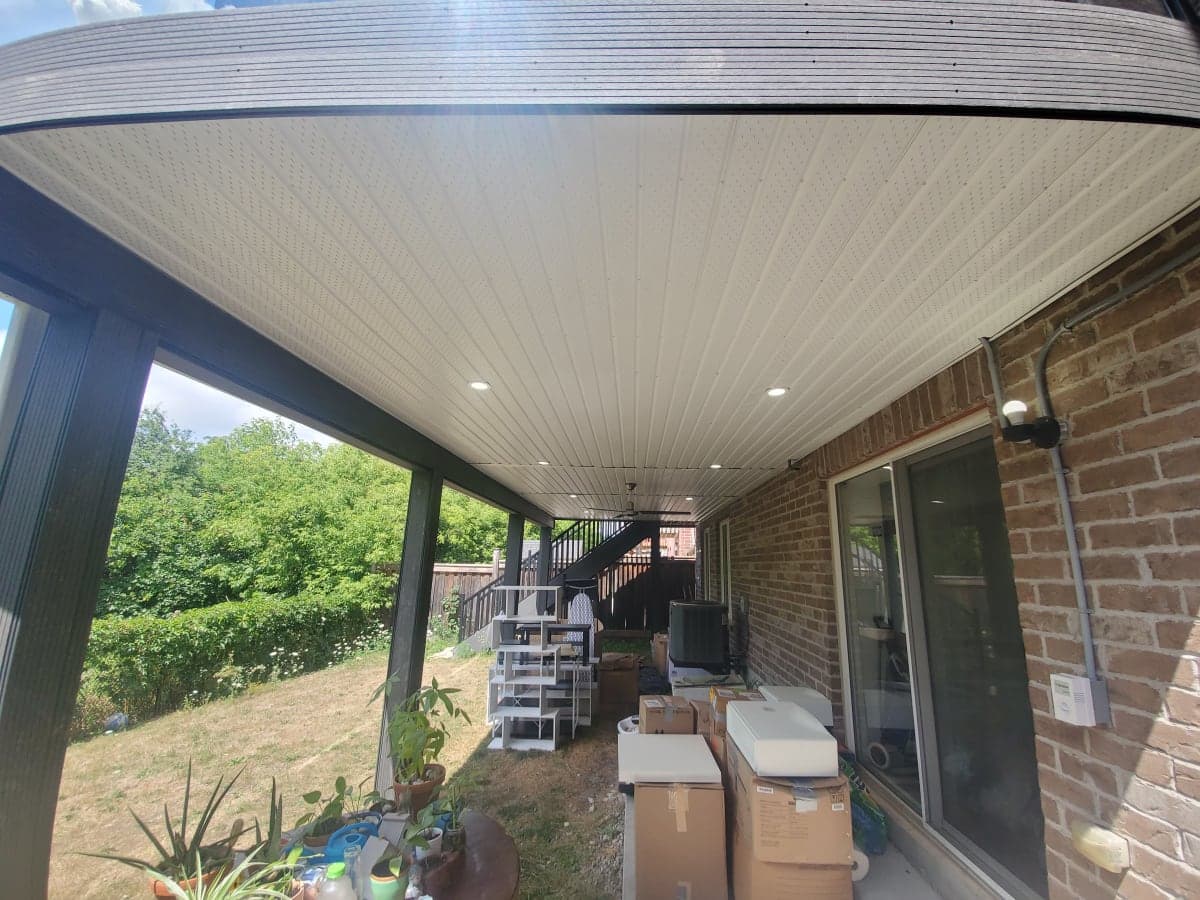
We install outdoor lighting systems across Toronto, Mississauga, and Vaughan. Here's what homeowners consistently get wrong: they price the fixtures on a Friday night, order them from a big-box store on Saturday, and then call an electrician Monday morning expecting a quick hook-up. That's not how outdoor electrical works in Ontario, and it almost never ends up cheaper than planning it right from the start.
A properly planned outdoor lighting installation in the GTA in 2026 costs between $800 and $3,500 for most residential properties. That price covers fixtures, wiring, a licensed electrician, and where required, an ESA permit and inspection. It does not cover the cost of doing it twice because the first version wasn't code-compliant.
This guide covers the real numbers, the Ontario-specific rules every Toronto homeowner needs to know, and the practical decisions that determine whether your system lasts five years or twenty-five.
outdoor lighting installation services in Toronto
Key Takeaways
- A full outdoor lighting installation in Toronto costs $800–$3,500 in 2026, depending on fixture count, circuit complexity, and whether a new circuit is required.
- All outdoor electrical work in Ontario must be done by a licensed electrician; ESA (Electrical Safety Authority) inspection is required for any new circuit.
- LED fixtures rated IP65 or higher are the correct choice for GTA winters: they handle freeze-thaw cycles, heavy snow loads, and salt-air conditions near roads.
- Licensed electricians in the GTA charge $80–$130/hour in 2026; expect 4–10 hours of labour for a typical residential outdoor lighting project.
- Pathway, security, accent, and deck lighting each serve a different function — most well-designed systems use at least three types.
What Does Outdoor Lighting Actually Cost in Toronto in 2026?
According to HomeStars' 2025 Canadian cost guide, homeowners in the GTA typically spend $1,200–$2,800 on a mid-range outdoor lighting installation, with simpler projects starting around $800 and complex multi-zone systems reaching $3,500 or more (HomeStars Cost Guide Canada, 2025). The main cost drivers are fixture count, whether new circuits are needed, and electrician labour time.
Here's how a realistic budget breaks down for a typical Toronto detached home:
- Fixtures (6–12 units, LED, IP65-rated): $300–$900 depending on style and brand
- Licensed electrician labour ($80–$130/hour): $400–$1,200 for 4–10 hours on-site
- Materials (wire, conduit, waterproof connectors, junction boxes): $150–$400
- ESA permit (if new circuit required): $100–$250 depending on the scope of work
- Smart controls or timer systems: $80–$250 optional add-on
In our experience working across Toronto, Vaughan, and Brampton, the projects that blow past budget are almost always the ones where the homeowner didn't know a new circuit was needed. If your existing outdoor outlets are already running near capacity, or if you're adding lighting to a detached garage or back garden that has no existing outdoor power, a new dedicated circuit adds $400–$800 to the total. It's not optional. It's just how the code works.
How Does Fixture Type Affect the Total Price?
Not all outdoor fixtures cost the same to buy or to install. Pathway stakes are the cheapest to purchase but require trenching for wired versions. Security floodlights are straightforward to mount but often need a dedicated circuit if they're drawing significant wattage. Deck lighting built into joists or fascia boards takes the most labour time because the electrician is working around existing structure.
The table below compares the four fixture types we install most often across the GTA:
| Fixture Type | Typical Cost (Installed, per unit) | Primary Purpose | Lifespan (GTA Climate) | GTA Suitability |
|---|---|---|---|---|
| Pathway Lighting | $80–$180 | Safe foot traffic, curb appeal | 15–20 years (LED) | Excellent — handles snow load well when staked deep |
| Security / Floodlighting | $150–$350 | Motion-activated deterrence, visibility | 10–15 years | Excellent — especially near garages and side entrances |
| Accent / Uplighting | $100–$250 | Architectural features, trees, landscaping | 15–25 years (LED) | Good — avoid pointing up at deciduous trees that lose leaves |
| Deck / Step Lighting | $120–$300 | Safety on stairs and railings, ambience | 15–20 years | Very good — use recessed fixtures rated for wet locations |
What Are Ontario's ESA Rules for Outdoor Electrical Work?
Every outdoor electrical installation in Ontario falls under the jurisdiction of the Electrical Safety Authority. According to the ESA's 2024 homeowner guidelines, all new electrical circuits and most outdoor wiring upgrades require a permit and inspection from an ESA-licensed electrical contractor (Electrical Safety Authority Ontario, 2024). This is not a technicality you can skip. It applies in Toronto, Mississauga, Vaughan, Brampton, and every other GTA municipality.
The ESA permit process works like this:
- Licensed electrician submits the permit application to the ESA before any work begins. Homeowners cannot pull ESA permits themselves for most electrical work.
- Electrician completes the installation according to the Ontario Electrical Safety Code (OESC).
- ESA inspector visits the site to verify the installation meets code. Inspections are typically booked within 5–10 business days in the GTA.
- Inspection is passed and the work is recorded. The ESA maintains records that become part of your home's electrical history, which matters at resale.
A lot of homeowners don't realize that failed ESA inspections aren't uncommon, and they cost money to fix. The most common failures we see are improper wire burial depth, missing weatherproof covers on junction boxes, and the wrong type of cable used for buried runs. Using UF-B (underground feeder) cable rated for direct burial is mandatory in Ontario for any wiring that runs underground. Standard NMD-90 (Romex) cannot go in the ground. Getting this wrong means a re-inspection fee and the labour cost to correct the work.
Do Low-Voltage or Solar Lights Need an ESA Permit?
Low-voltage landscape lighting systems running on 12V transformers do not require an ESA permit in Ontario, provided the transformer plugs into an existing outdoor GFCI outlet and no new circuits are created. Solar-powered path lights also fall outside ESA jurisdiction since they don't connect to your home's electrical system.
However, if you're installing a 120V system with hardwired fixtures, running new wire from your panel, or adding a new outdoor outlet where none existed, you need a licensed electrician and an ESA permit. The dividing line is simple: if it touches your home's main electrical system, it needs a permit.
Which Outdoor Lighting Type Is Right for Your GTA Property?
The wrong question most homeowners ask is "what looks nice?" The right question is "what problem does this section of my property have?" Security problems need motion-activated floodlights, not decorative post lights. Dark stairways need step lighting, not uplighting on the trees twenty feet away. We've found that the most effective outdoor lighting designs in Mississauga and Vaughan use three or four fixture types working together, each one handling a specific zone and function.
Here's how to think about each zone on a typical GTA detached home:
Front walkway and driveway: Pathway lights or low bollard fixtures work well here. Space them 8–10 feet apart for even coverage without glare. For driveways, recessed in-ground lights are an option but require more maintenance in freeze-thaw conditions; bollard fixtures are more practical.
Entry and porch: Wall-mounted lanterns flanking the door, rated for wet locations (IP44 minimum, IP65 preferred in exposed locations). These are the fixtures most affected by freezing rain and ice buildup. Polycarbonate or die-cast aluminum housings hold up better than zinc or plastic.
Side and rear yard: Motion-activated security floodlights at the corners of the house give the best coverage with the least energy use. Position them 8–10 feet above grade to avoid easy tampering and to maximize the cone of coverage.
Deck and patio: Recessed step lights, post cap lights, and under-railing LED strips are the most popular choices we install across Toronto and Brampton. These need to be rated for wet or damp locations depending on their exposure level.
What Fixtures Survive GTA Winters Best?
Ontario's climate in the GTA is harder on outdoor fixtures than most homeowners expect. Toronto sees average January lows of -7°C to -10°C, with cold snaps pushing below -20°C, and summer humidity regularly above 70% (Environment and Climate Change Canada, 2024). That combination - deep cold, heavy moisture, ice formation, and UV exposure in summer - eliminates a lot of the cheaper fixture options sold at home improvement stores.
Look for these specifications when choosing outdoor fixtures for Toronto or surrounding GTA municipalities:
- IP Rating: IP65 or higher for any fully exposed fixture. IP44 is acceptable for covered porches or soffits with significant overhead protection.
- Housing material: Die-cast aluminum or marine-grade stainless steel. Avoid fixtures with significant zinc alloy or painted steel components: they rust and pit within two winters in GTA road-salt conditions.
- Lens material: Tempered glass or polycarbonate. Standard glass cracks under thermal shock when freezing rain hits a warm, lit fixture.
- LED driver quality: Cheaper LED fixtures use low-quality drivers that fail in temperature extremes. Look for fixtures from brands that specify operating temperature ranges down to -30°C or lower.
Based on service calls we've handled across Toronto, Vaughan, and Mississauga over the past several years, the most common reason for outdoor fixture failure before the 5-year mark is moisture infiltration at the socket or driver housing. This almost always traces back to fixtures with IP ratings below IP65 being installed in exposed locations, or to fixtures where the gasket seal dried out and cracked within the first two winters.
How Do You Plan an Outdoor Lighting Layout That Actually Works?
A lighting layout that works starts with a site walk after dark, not a shopping trip. Most homeowners design their lighting during the day, which means they miss the actual dark zones, the places where the existing light from windows and street lights already provides ambient coverage, and the areas where shadows create safety risks on steps or path edges.
We do every residential lighting consultation with a walk-through at dusk or after dark when possible. The difference between what homeowners think they need and what they actually need after that walk is significant, in almost every project.
Here's the planning sequence we follow on projects across the GTA:
- Walk the property after dark. Identify true dark zones, existing light sources, and safety hazards (steps, grade changes, slippery surfaces in winter).
- Map your zones. Front entry, driveway, side yards, back deck or patio, garden or accent zones. Each zone gets a purpose.
- Determine control strategy. Dusk-to-dawn photocells, motion sensors, timers, or smart app control. Each has a different cost and installation complexity.
- Count circuits. Work out the wattage load with your electrician and confirm whether your existing outdoor circuits can handle the new fixtures. LED fixtures draw far less power than halogen equivalents, but circuit capacity still matters.
- Get the permit first. If a new circuit is needed, the ESA permit has to be in place before the electrician pulls wire.
full guide to planning exterior home improvements
What Is the Best Time of Year to Install Outdoor Lighting in the GTA?
Spring (April-May) and early fall (September-October) are the best installation windows in Toronto and the surrounding GTA. The ground is workable for any trenching required for buried wiring. Temperatures are above freezing, which matters for electricians working outdoors and for any sealants or caulking applied around fixtures.
Late fall installations are possible but tricky. If you're running underground wire and the ground has frozen, trenching becomes expensive and difficult. Winter installations are feasible for surface-mounted and soffit fixtures, but buried wiring runs should wait until spring.
Avoid scheduling outdoor electrical work during a heavy rain period. Not because electricians can't work in light rain, but because open trenches fill with water, junction box installations need dry conditions for proper sealing, and wet soil near your foundation is not the right time to be digging.
How Do You Find a Qualified Electrician for Outdoor Lighting in Toronto?
Finding a licensed electrician in the GTA in 2026 takes more effort than it used to. Demand for residential electrical work in Ontario is high, driven partly by EV charger installations and partly by the renovation boom that started in 2020 and hasn't fully cooled (Ontario Construction Secretariat, 2024). The electricians who are easiest to book are often the newest or the busiest-for-a-reason.
Here's what to verify before any electrician starts outdoor work on your Toronto, Mississauga, or Brampton property:
- ESA Master Electrician licence: Verify through the ESA's public lookup at esasafe.com. This is the provincial licence required to pull permits and supervise electrical work in Ontario.
- ECRA/ESA contractor number: The electrical contracting company also needs to be registered with the ESA. Ask for this number and verify it.
- WSIB clearance certificate: Any contractor working on your property in Ontario should have WSIB (Workplace Safety and Insurance Board) coverage. If they're not covered and a worker is injured, liability can fall to you as the property owner.
- Liability insurance: $2 million minimum is the standard expectation for residential contractors in the GTA.
Licensed electricians in Toronto and the GTA charge $80–$130/hour for residential work in 2026. Expect the lower end of that range for straightforward fixture swaps and the upper end for panel-related work, new circuit installation, or work that requires significant conduit runs or trenching.
One pattern we've noticed: homeowners who get three quotes and automatically choose the lowest one are the most likely to call us later to fix problems. The spread between the highest and lowest quote for the same outdoor lighting project in the GTA often comes down to whether the low bidder planned to pull an ESA permit and whether they included the cost of proper wire burial at the correct depth. Those aren't optional steps. A quote that doesn't include them isn't actually a quote for a complete job.
Frequently Asked Questions
Do I need a permit for outdoor lighting in Toronto?
You need an ESA permit for any outdoor lighting that requires a new circuit or involves wiring connected to your home's main electrical system. Surface-mounted fixture replacements on existing wiring typically don't require a permit, but any new circuit, new outdoor outlet, or buried wiring run does. The ESA permit process in Ontario requires a licensed electrician to apply before work begins; homeowners cannot pull their own permits for most electrical installations. The permit and inspection together typically add $100–$250 to the project cost and protect you at resale.
How much does it cost to install outdoor lighting in Mississauga or Vaughan?
The cost range is similar to Toronto: $800–$3,500 for most residential outdoor lighting projects in Mississauga, Vaughan, or Brampton in 2026. Electrician labour rates across the GTA are fairly consistent at $80–$130/hour. Municipal permit fees for electrical work in Mississauga and Vaughan are set by the ESA rather than the municipality, so they don't vary significantly from Toronto. The main cost variable between these cities is site-specific: lot layout, distance from the electrical panel to the fixture zones, and whether underground trenching is needed.
What type of outdoor lighting is best for a Toronto winter?
LED fixtures rated IP65 or higher in die-cast aluminum or marine-grade stainless steel housings are the right choice for Toronto and the surrounding GTA. The freeze-thaw cycle in Ontario subjects outdoor fixtures to significant thermal stress. Cheap plastic housings crack. Zinc alloy components corrode from road salt. Standard glass lenses can shatter under thermal shock. LED bulbs themselves handle cold well and actually perform more efficiently in cold temperatures than in heat, which is a genuine advantage in a Canadian climate. Avoid halogen and incandescent fixtures outdoors in Ontario: they generate heat that accelerates lens seal degradation and draw more power than modern LEDs.
Can I install outdoor lighting myself in Ontario?
You can install low-voltage (12V) landscape lighting yourself in Ontario, provided you're connecting to an existing outdoor GFCI outlet and not creating any new circuits. Solar-powered fixtures require no electrical connection at all. For any 120V hardwired fixture, new outdoor circuit, or wiring that runs underground, Ontario law requires a licensed electrician and an ESA permit. Homeowners who do this work themselves without a permit face fines, and more importantly, they face the practical problem that unpermitted electrical work must be disclosed when selling the home and may need to be corrected at that point, often at significant cost.
How long does an outdoor lighting installation take in the GTA?
A straightforward outdoor lighting installation, six to eight fixtures using existing outdoor circuits with no new trenching, typically takes one day of labour (4–8 hours). Projects involving new circuit installation, buried cable runs, or more than ten fixtures routinely take two days. ESA inspection is typically scheduled within 5–10 business days of the electrician requesting it in the GTA. Plan for a two-week project window from first electrician visit to final inspection sign-off if a new circuit is involved.
contact ATB Construction for an outdoor lighting quote
Plan Your Outdoor Lighting Before the Season Gets Ahead of You
Outdoor lighting done right in the GTA is not a weekend project. It involves a licensed electrician, potentially an ESA permit and inspection, fixtures chosen for Canadian winters, and a layout designed for actual dark zones rather than what looks nice in a catalogue. The homeowners who get this right spend $800–$3,500 and have a system that runs reliably for twenty years. The ones who skip the planning spend half as much initially and spend the rest on callbacks, fixture replacements, and eventually a proper installation anyway.
The 2026 cost range is clear. The regulatory requirements in Ontario are clear. What's left is execution, and that means finding a licensed GTA electrician, doing a proper site walk at dusk, and getting the permit before any wire is pulled.
If you're in Toronto, Mississauga, Vaughan, or Brampton and you're ready to plan your outdoor lighting installation, the time to start is before spring bookings fill up. Licensed electricians across the GTA get busy from May onward, and the best crews are usually booked two to four weeks in advance by mid-April.
book an outdoor lighting consultation with ATB Construction
ATB Construction installs outdoor lighting systems across Toronto, Mississauga, Vaughan, and Brampton. Contact us for a free site assessment and installation quote.
Tags
Related articles
Pick the Right Lumber and Fasteners for Outdoor Lighting or Pay the Price
Choosing the wrong lumber or fasteners for outdoor lighting setups can lead to costly failures. Learn what materials work best and which to avoid for lasting results.
Roofing in Toronto: Get It Done Before Mud Season Hits
The spring-to-mud-season window is the best time to replace or repair your roof in Toronto and the GTA. Learn 2026 CAD pricing, permit rules, and how to book before contractor slots fill up.
Why Most Outdoor Structures Fail After Two GTA Winters — And How to Stop It
After two winters in Toronto, the same failure patterns show up on decks, fences, and retaining walls across the GTA. Frost heave and wood rot are the culprits — and both are preventable with the right materials and build practices.