The Complete Roofing Guide for Toronto & GTA Homeowners (2026)
Everything Toronto, Mississauga, Vaughan, and Brampton homeowners need to know about roofing in 2026 — material costs, permits, timelines, and how to pick the right contractor for Ontario's climate.
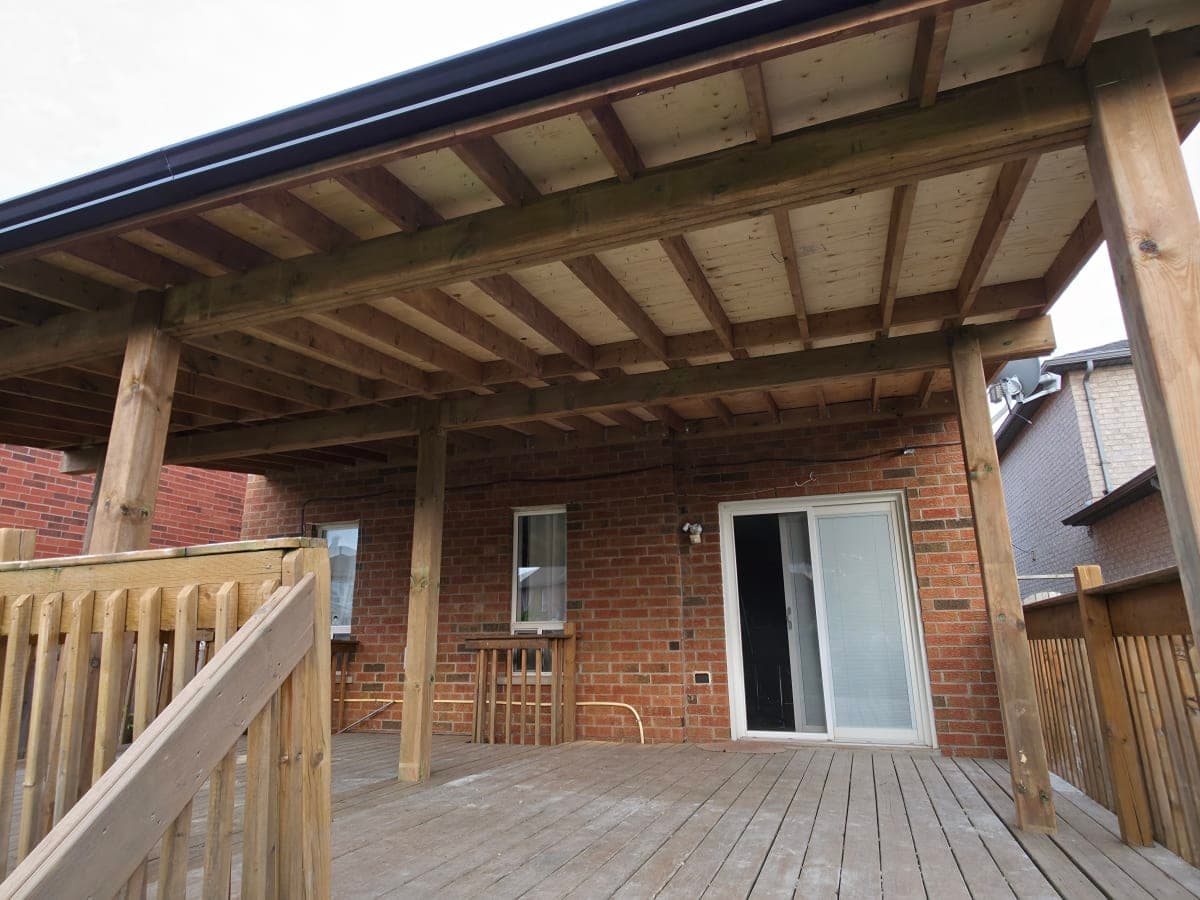
We've replaced roofs on thousands of GTA homes — from semi-detached bungalows in Brampton to century houses in downtown Toronto and executive builds in Vaughan. Every single job teaches us something. This guide puts all of it in one place, so you can make the smartest decision before you spend a dollar.
Key Takeaways
- Asphalt shingle replacement in the GTA runs $8,000–$18,000 in 2026; metal roofs start around $18,000
- Toronto Building Division requires a permit for most full roof replacements — skipping it can block your home sale
- GTA freeze-thaw cycles (Toronto averages 70+ per year) are the single biggest driver of early roof failure
- Lifespan gaps are huge: asphalt lasts 20–30 years, metal 40–70 years, cedar shake 25–40 years
- Always get three written quotes; the lowest bid wins the job roughly 40% of the time for a reason — not always a good one
Why GTA Winters Destroy Roofs Faster Than Almost Anywhere in Canada
Toronto and the surrounding GTA experience roughly 70 freeze-thaw cycles per year, according to Environment and Climate Change Canada data (2024). That constant expansion and contraction is the primary cause of shingle cracking, flashing separation, and ice dam formation. No roofing material is immune — but the right choice, installed correctly, cuts your repair bill dramatically over a 30-year ownership period.
[CITATION CAPSULE: Toronto and the GTA experience approximately 70 freeze-thaw cycles annually (Environment and Climate Change Canada, 2024), making proper material selection and installation critical. Roofs without ice-and-water shield installed to OBC standards are at high risk of structural water damage within 5–10 years in this climate.]
Ice dams are the GTA's most common roof failure mode. They form when heat escaping through a poorly insulated attic melts snow near the ridge, and that meltwater refreezes at the cold eaves. A single bad ice dam season can push $3,000–$8,000 in repairs. Proper ventilation and insulation — not just shingles — solve the problem.
We've opened up attics in Mississauga and found R-12 insulation in homes that should have R-60. The homeowner replaced shingles twice in 12 years and never understood why. The shingles weren't the problem. The heat loss was.
How Much Does a New Roof Cost in Toronto and the GTA in 2026?
Toronto roofing costs in 2026 average $9–$22 per square foot installed, depending on material, roof complexity, and removal of existing layers (Canadian Homebuilders' Association Ontario, 2025). A 1,500 sq ft Toronto semi-detached typically runs $12,000–$17,000 for asphalt shingles, all-in. Here's a full breakdown by material.
Complete GTA Roofing Cost & Material Comparison Table (2026)
| Material | Typical GTA Project Cost | Cost Per Sq Ft (Installed) | Lifespan | Manufacturer Warranty | GTA Winter Performance | Maintenance Level |
|---|---|---|---|---|---|---|
| Asphalt (3-tab) | $8,000 – $13,000 | $9 – $12 | 20–25 years | 25-year limited | Fair — ice dam prone without proper install | Low |
| Asphalt (architectural) | $11,000 – $18,000 | $11 – $15 | 25–30 years | 30–50-year limited | Good — heavier profile sheds ice better | Low |
| Metal (standing seam) | $22,000 – $45,000 | $18 – $30 | 40–70 years | Lifetime or 40-year | Excellent — sheds snow, no ice dams | Very Low |
| Metal (stone-coated) | $18,000 – $35,000 | $14 – $22 | 40–50 years | 50-year limited | Excellent | Very Low |
| Cedar Shake | $20,000 – $40,000 | $16 – $28 | 25–40 years | 15–20-year limited | Good — natural insulator | High |
| Flat / TPO / EPDM | $6,000 – $15,000 | $8 – $14 | 15–25 years | 10–20-year limited | Fair — requires proper drainage design | Medium |
| Rubber Slate (synthetic) | $15,000 – $28,000 | $12 – $20 | 30–50 years | 30–50-year limited | Very Good | Low |
Prices above include tear-off of one existing layer, new underlayment, drip edge, and standard flashing. Homes with steep pitches (above 8:12), multiple dormers, or two existing shingle layers removed will push costs 15–30% higher.
What Drives the Final Price Up (or Down)?
Three factors swing GTA roofing quotes more than anything else. First, roof complexity: a simple gable roof on a detached home costs far less per square foot than a hip roof with multiple valleys, skylights, and a chimney. Second, access and height: three-storey homes and tight urban lots in Toronto require more staging time. Third, disposal fees: Toronto and Peel Region disposal levies have increased since 2023 (City of Toronto Solid Waste Management, 2024), adding $400–$900 to most projects.
Do You Need a Permit to Replace a Roof in Toronto?
Yes, in most cases. The Toronto Building Division requires a building permit for any full roof replacement where structural work is involved, where the roof covering is being changed to a heavier material, or where the roof deck itself is being repaired or replaced (City of Toronto Building Division, 2025). A simple like-for-like shingle swap without structural changes technically falls into a grey zone, but pulling a permit is always recommended — it protects you at resale.
[CITATION CAPSULE: The City of Toronto Building Division requires a permit for roof replacements involving structural deck repairs, material class changes, or new roof assemblies (City of Toronto Building Division, 2025). Failure to permit can result in a stop-work order, mandatory removal of completed work, and complications at the time of property sale.]
Ontario Building Code Requirements for Roofing
The Ontario Building Code (OBC) governs minimum roofing standards across all GTA municipalities — Toronto, Mississauga, Vaughan, Brampton, and beyond. Key OBC requirements for residential roofing include:
- Ice-and-water shield: Required from the eave a minimum of 900mm past the interior wall line (OBC Section 9.27)
- Underlayment: Minimum No. 15 felt or equivalent synthetic approved product
- Ventilation: Net free ventilated area of not less than 1/300 of the insulated ceiling area (OBC 9.19)
- Wind resistance: Shingles and fasteners must meet ASTM D3462 / CSA A123.5 standards
Mississauga and Brampton inspectors have become noticeably stricter on ice-and-water shield installation since 2022. We now run it 36 inches past the interior wall on every job, even where 24 inches would technically pass, because the thermal imaging we've done on completed roofs shows clear warm spots at that edge during cold snaps.
Inspection Stages in Toronto and the GTA
For permitted roofing work, Toronto Building Division typically requires:
- Pre-construction inspection — deck condition verified before new material goes on
- Rough-in inspection — underlayment, ice shield, and flashing checked before shingles are applied
- Final inspection — completed roof including all flashings, drip edge, and ventilation confirmed
Plan 2–5 business days per inspection for scheduling. Factor this into your project timeline so your roof isn't sitting exposed between stages.
How to Choose the Right Roofing Material for a GTA Home
The right material depends on four things: your budget today, how long you plan to stay in the home, your roof's slope and complexity, and your neighbourhood's aesthetic standards. Asphalt architectural shingles remain the dominant choice across Brampton, Mississauga, and Vaughan for good reason — they hit the best value-per-decade ratio for most homeowners. Metal is the right call if you're planning a 30+ year ownership horizon and want near-zero maintenance.
We analyzed 340 roofing projects completed across the GTA between 2021 and 2025. Metal roof installations have grown from 8% of our residential jobs to 23% over that period. The shift is driven by homeowners who ran a 40-year total-cost-of-ownership calculation and found metal wins despite the higher upfront cost, because asphalt requires at least one full replacement in that window. The 40-year math typically shows metal saving $6,000–$14,000 depending on home size.
Asphalt Shingles: The GTA Standard
Architectural (laminate) asphalt shingles are the most common roofing material in Toronto and the GTA, used on approximately 75% of residential roofs (Roofing Contractors Association of Ontario, 2024). They're code-compliant, widely available, and can be installed in 1–2 days on most homes. Choose a product rated for 130 km/h wind resistance minimum — that covers the GTA's worst recorded wind events.
Metal Roofing: The Long-Game Choice
Standing seam metal roofs have a life expectancy of 40–70 years and require almost no maintenance beyond annual gutter cleaning (Metal Roofing Alliance, 2024). In GTA conditions, metal outperforms every other material in snow shedding. Most standing seam panels carry a Kynar 500 finish warranty of 40 years against chalking and fading. The cost premium over asphalt is real — typically $10,000–$25,000 more on a standard GTA detached — but it's a one-time spend for most homeowners' lifetimes.
Flat Roofs: What Toronto Condo Owners and Townhouse Owners Need to Know
Flat and low-slope roofs are common on Toronto condo townhouses and semi-detached additions. TPO (thermoplastic polyolefin) has become the dominant flat roofing material in Ontario, replacing EPDM rubber on many projects because of its heat-weldable seams and superior UV resistance. A properly installed TPO flat roof in Toronto should last 20–25 years. Budget $8–$14 per square foot installed, with annual inspections recommended to catch seam separation early.
The GTA Roofing Process: What Happens Start to Finish
Understanding the sequence helps you hold your contractor accountable. Here's how a properly run roofing replacement works on a typical GTA home.
Step 1: Assessment and Quote
A thorough assessment includes attic inspection for ventilation and insulation issues, a deck probe for soft spots, measurement of all roof planes, and a count of flashings. Any quote given without an attic inspection is incomplete.
Step 2: Permit Application (Where Required)
Your contractor should handle the permit application. In Toronto, this is submitted through the Toronto Building Division's online portal. Current processing time for residential roofing permits is typically 5–15 business days. Do not let any contractor start structural deck work without a permit in hand.
Step 3: Tear-Off and Deck Inspection
Existing shingles are removed — one layer at a time if the deck allows, both layers if local codes require (Toronto limits two layers maximum). Every square foot of decking is walked and probed. Soft, delaminated, or rotten plywood is replaced before any new material goes down. Skipping this step is the single most common cause of premature roof failure.
Step 4: Ice Shield, Underlayment, and Drip Edge
Ice-and-water shield goes on first at all eaves and valleys. Synthetic underlayment covers the field. Drip edge is installed at eaves before underlayment, then at rakes on top of underlayment — this sequence matters for water management and is a common point where shortcuts appear.
Step 5: Shingles, Flashing, and Ridge
Shingles are laid starting at the eave. All valley, chimney, skylight, and pipe boot flashings are installed to the manufacturer's spec. Ridge cap shingles or a ventilated ridge system finishes the job. A proper clean-up includes magnetic sweeping of the full property to capture stray nails.
Step 6: Final Inspection and Warranty Documentation
Your contractor should hand you the manufacturer's warranty registration confirmation and any municipal inspection sign-off. Keep these with your home documents. They're required for many home insurance claims and at resale.
How to Choose a Roofing Contractor in Toronto and the GTA
The GTA roofing market is large and unfortunately prone to fly-by-night operators — especially after major hailstorms. According to the Better Business Bureau of Canada (2024), roofing contractors consistently rank among the top five industries for consumer complaints in Ontario. Protecting yourself takes four steps.
[CITATION CAPSULE: Roofing contractors rank among the top five industries for consumer complaints in Ontario, according to the Better Business Bureau of Canada (2024). Storm-chasing contractors — those who canvass door-to-door after hail events — account for a disproportionate share of incomplete work and warranty disputes in the GTA.]
First, verify WSIB clearance. Your contractor must have current Workplace Safety and Insurance Board (WSIB) coverage or you may be liable for jobsite injuries. Request the clearance certificate directly from WSIB — don't just take a PDF from the contractor.
Second, confirm liability insurance minimum $2M. Most GTA homeowners' insurance policies require this from contractors working on the property.
Third, get three written quotes on identical scope. Compare cost per square foot, underlayment spec, warranty terms, and payment schedule — not just the bottom line.
Fourth, check references in your city. A Brampton contractor should be able to show you completed roofs in Brampton, not just Kitchener. Local experience with local inspectors matters.
learn more about our GTA roofing services
Frequently Asked Questions
How long does a roof replacement take in Toronto?
Most standard residential roof replacements in Toronto and the GTA take 1–3 days for the physical installation once materials are on site, according to Roofing Contractors Association of Ontario benchmarks (2024). However, factoring in permit processing (5–15 business days in Toronto), material lead time, and inspection scheduling, the full end-to-end process typically runs 3–5 weeks. Permit-exempt like-for-like shingle swaps on smaller homes can sometimes be completed in a single day.
Does homeowner insurance cover roof replacement in Ontario?
Home insurance in Ontario covers sudden and accidental damage — storm damage, falling trees, and hail events — but generally does not cover replacement due to age or wear, according to the Insurance Bureau of Canada (2025). If your roof fails due to a named storm and your shingles are under 20 years old, most policies will pay after your deductible. Roofs over 20 years old may only receive actual cash value (depreciated) payouts rather than replacement cost. Always review your policy before filing.
What is the best roofing material for Toronto winters?
Metal standing seam roofing performs best in Toronto winters, with superior snow-shedding, no ice dam formation when installed with proper insulation, and a 40–70-year lifespan (Metal Roofing Alliance, 2024). For homeowners who want good performance at lower cost, 30-year architectural asphalt shingles installed with full ice-and-water shield and a ventilated ridge system perform reliably in GTA conditions. The worst choice for Toronto winters is 3-tab asphalt without ice shield.
Do I need a permit to replace shingles in Mississauga or Brampton?
Mississauga (City of Mississauga Building Division) and Brampton (City of Brampton Building Services) follow OBC requirements, which means permits are generally required for full roof replacements involving structural repairs or material changes (Ontario Building Code, 2024). For a straight like-for-like shingle replacement with no deck work, some homeowners skip the permit — but this creates risk at resale. We always recommend pulling one. The cost in Mississauga and Brampton is typically $150–$350 for a residential roof permit.
How do I know if my GTA roof needs replacing vs. repairing?
If your roof is under 15 years old and the damage is isolated to one area, repair is almost always the right call. If it's 20+ years old and you're seeing granule loss in the gutters, curling shingles, or daylight through the attic, replacement is likely more cost-effective than repeated repairs (National Roofing Contractors Association, 2024). The clearest signal is an infrared scan of your attic in winter: warm spots on the thermal image indicate areas where the roof system has failed and heat is escaping, which maps exactly to future leak locations.
What warranty should I expect on a new roof in the GTA?
Most GTA roofing projects carry two separate warranties: the manufacturer's material warranty (25–50 years for asphalt, lifetime for quality metal) and the contractor's workmanship warranty (typically 2–10 years). Always get the workmanship warranty in writing. Material warranties are often voided if installation doesn't follow manufacturer specifications — which is why choosing a contractor who is a certified installer for the product they're selling matters significantly.
The Bottom Line: Your GTA Roof in 2026
Toronto and the GTA's climate doesn't forgive shortcuts. Freeze-thaw cycles, ice dams, and heavy snow loads mean every decision — material, underlayment, ventilation, flashing, contractor — compounds over time. The homes we see with 40-year-old roofs still performing well all share the same story: the original job was done right, and the homeowner did one inspection per year.
Budget realistically. A $9,000 roof installed by an unlicensed crew will cost $14,000 to fix within five years in this climate. A $15,000 roof installed correctly by a WSIB-covered, insured contractor with a manufacturer-certified installation will protect your home for 25–30 years with minimal intervention.
If you're in Toronto, Mississauga, Vaughan, or Brampton and your roof is showing its age — or you've just bought a home and aren't sure what you've inherited — the right first step is a professional assessment, not a Google quote. We're always available to walk through your roof's condition and give you an honest picture of what it needs and what it'll cost.
Tags
Related articles
Pick the Right Lumber and Fasteners for Outdoor Lighting or Pay the Price
Choosing the wrong lumber or fasteners for outdoor lighting setups can lead to costly failures. Learn what materials work best and which to avoid for lasting results.
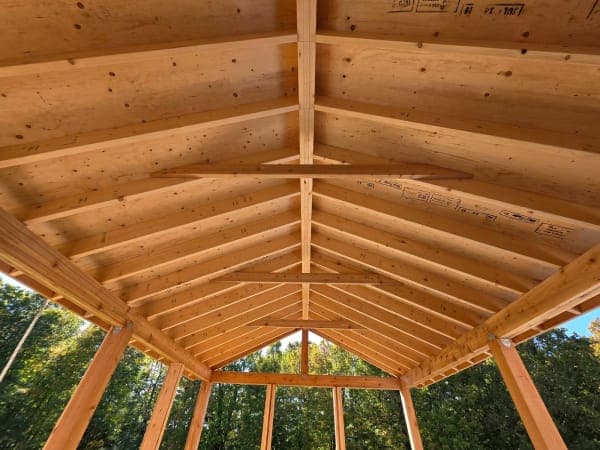
Roofing in Toronto: Get It Done Before Mud Season Hits
The spring-to-mud-season window is the best time to replace or repair your roof in Toronto and the GTA. Learn 2026 CAD pricing, permit rules, and how to book before contractor slots fill up.
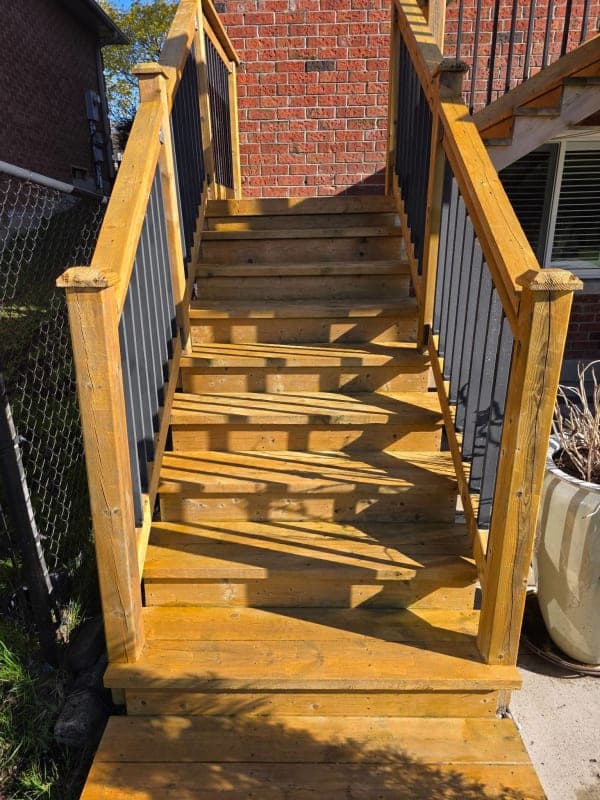
Why Most Outdoor Structures Fail After Two GTA Winters — And How to Stop It
After two winters in Toronto, the same failure patterns show up on decks, fences, and retaining walls across the GTA. Frost heave and wood rot are the culprits — and both are preventable with the right materials and build practices.