Three Big Mistakes to Dodge When DIYing Your Gazebo or Pergola
Taking on a gazebo or pergola project yourself can save money but easily turns ugly fast. Avoid these three common mistakes that can kill your build before it starts.
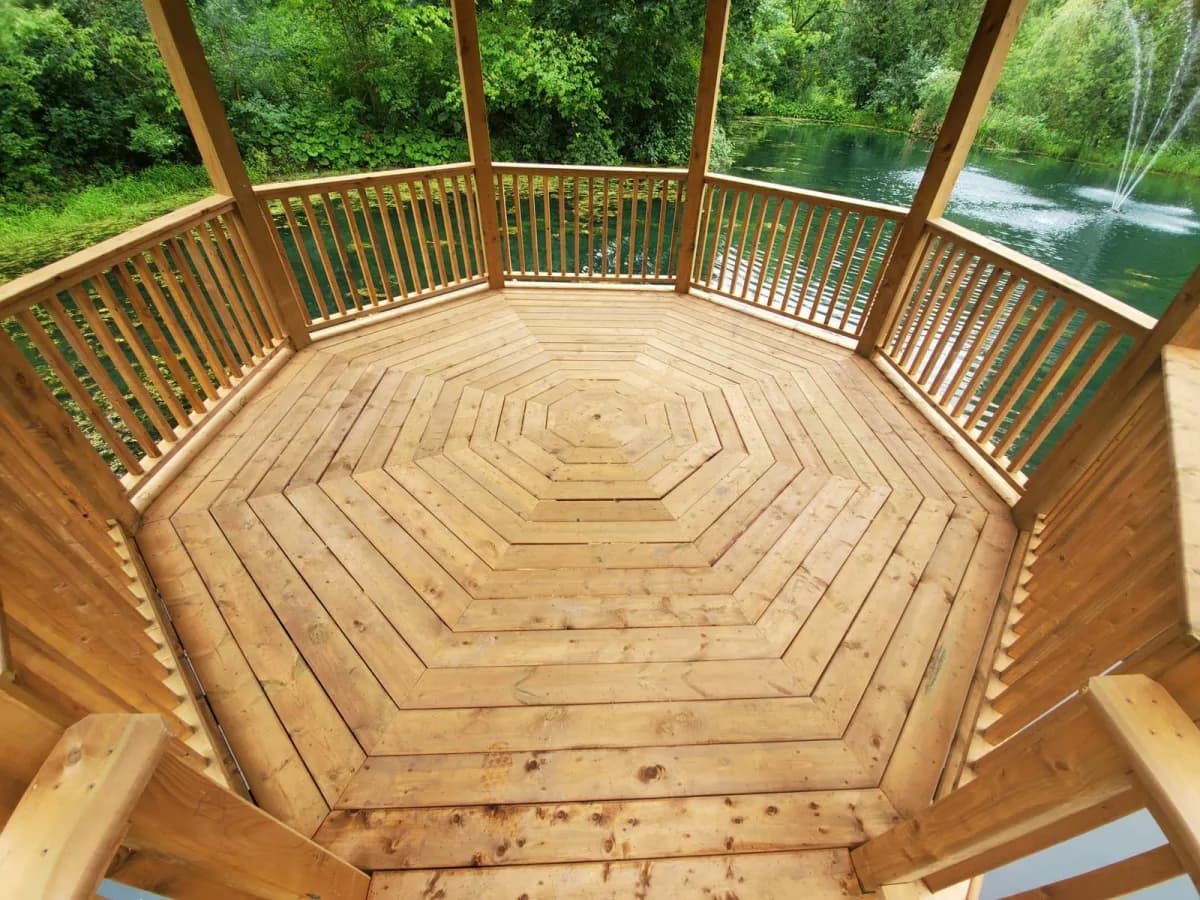
A Cautionary Tale
A homeowner decided to build a pergola in their backyard over the weekend. They didn’t get municipal permits or call for utility locates. What happened next was a costly headache. In digging post holes, they hit an underground cable, cutting power to the entire neighborhood. Worse, the posts weren’t set deep enough and the structure leaned dangerously after the first strong wind. Months and thousands in extra costs later, the whole thing had to be torn down and rebuilt right.
The 3 Biggest Mistakes to Avoid
1. Skipping Permits and Utility Locates
Permits exist for a reason. They ensure your structure meets local code for safety and setbacks. Not getting them is an invitation for fines and forced removal.
Just as important is calling "Before You Dig." Underground utilities like water, gas, and electricity rarely show above ground but are common obstacles. Hitting one can mean dangerous accidents, service disruptions, and big fines.
2. Poor Post Hole Depth and Setting
Posts support your whole gazebo or pergola, so their stability is non-negotiable. The freeze-thaw cycle up north pushes and pulls on the soil. Posts dug too shallow or not set in concrete will shift or heave over time, causing tilting or worse.
Typically, posts need to go down roughly 3 to 4 feet but this can vary by local frost line depth. Set posts in concrete with drainage gravel at the bottom. Tamp everything tight to prevent movement.
3. Using the Wrong Lumber or Not Treating It Properly
Outdoor structures face rot, insects, and weather extremes. Using untreated or wrong species lumber leads to rotting within a few years. Pressure-treated wood or naturally resistant wood like cedar or redwood is the right choice.
Also, seal or stain your wood properly after building. Reseal every couple of years to keep moisture out.
Must-Have Steps Before You Start
- Check if you need municipal permits.
- Arrange utility locates by contacting local services.
- Choose the right location considering sun, wind, and drainage.
- Select materials suited for your climate.
- Plan post hole depth based on your frost line.
What You’ll Need At Minimum
- Post hole digger or auger
- Level and measuring tape
- Concrete mix
- Pressure-treated or resistant lumber
- Sealant or wood preservative
- Safety gear (gloves, goggles)
The Bottom Line
Taking shortcuts on permits, safety, and materials can turn a fun weekend project into a costly disaster. Respect the regulations and the frost line. Dig deep, use solid materials, and always call Before You Dig. Avoid these mistakes, and your gazebo or pergola will stand firm and look good for years, even with short building seasons and freeze-thaw cycles in play.
Tags
Related articles
Gate Installation Timing in Toronto: Beat the Fall Mud Season
Fall is actually our busiest gate installation season in the GTA — and the homeowners who book early get cleaner installs, better pricing, and no October mud delays. Here's the contractor-side timeline you need.
How to Build Your Deck Right in Toronto: Spring Timing, Permits, and What It Costs in 2026
The window between spring thaw and October mud is the best time to build a deck in Toronto and the GTA — but only if you plan ahead. This guide covers the exact timing, permit process, material costs, and scheduling steps GTA contractors use to get decks done right.
Wrong Lumber and Fasteners Will Kill Your Fence in Toronto's Climate
The number-one reason Toronto and GTA homeowners call us to rebuild fences is simple: the wrong lumber and the wrong fasteners. Learn which materials actually survive Ontario's freeze-thaw cycles, what it costs to get it right, and how to avoid a costly second build.